
Quick Read
- A criminal case has been opened in Yerevan over the brutal beating of a contract serviceman.
- The victim is a professional service member serving under a contract.
- The investigation is being conducted under Armenian law.
- Authorities have not released details about suspects or the incident location.
In Yerevan, a contract serviceman was subjected to a brutal beating, prompting authorities to launch a criminal investigation. The development marks a formal step in the process of determining what happened, who was involved, and what measures will follow under the Armenian criminal code. While the initial statement confirms that a case has been opened, it provides no public details about suspects, the exact locale within the capital, or the circumstances surrounding the assault. As with many preliminary inquiries, investigators are likely to review medical records, interview potential witnesses, and seek corroborating evidence before any charges are considered or announced.
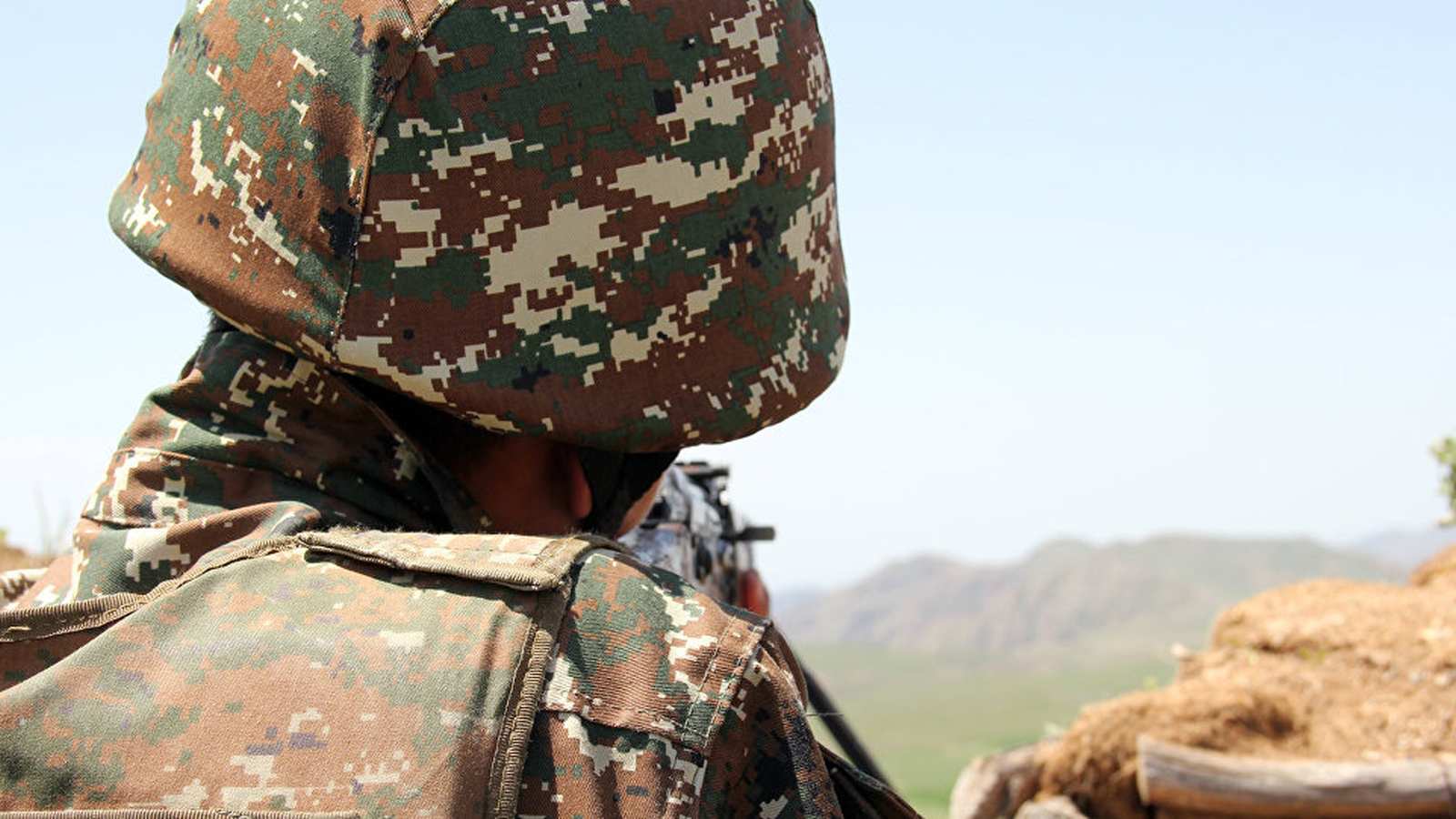
The term “contract serviceman” refers to a professional soldier who serves under a binding contract, distinguishing such personnel from conscripts. In Armenia, as in many militaries around the world, contract service personnel are generally held to high standards of discipline and safety, and acts of violence against service members can trigger serious criminal investigations. The status of the victim as a contracted serviceman underscores that this incident touches on issues of workplace safety within military structures and the broader accountability frameworks that govern the armed forces. Observers emphasise that the protection of those who serve—regardless of their status as conscripts or contract personnel—is a matter of public concern, with potential implications for morale, discipline, and trust in the chain of command.
At this stage, officials have not disclosed information about the identity of those involved, potential suspects, or the precise location of the incident in Yerevan. The early phase of any inquiry into assaults on military personnel typically focuses on building a factual picture: collecting and verifying medical evaluations to determine the severity of injuries, obtaining statements from witnesses, reviewing any available surveillance footage, and mapping out timelines to establish how events unfolded. The lack of details in the initial communiqué is not unusual, as investigators may be cautious about exposing sensitive operational or security aspects while the case is still developing. The absence of information also reflects the standard protective measures surrounding ongoing criminal investigations, particularly when military personnel are involved, where transparency must be balanced with broader security considerations.
Legal experts note that Armenian law criminalizes acts of violence resulting in bodily harm, with penalties that vary depending on the severity of injuries and the surrounding circumstances. In cases involving military personnel, prosecutors and courts examine the context, including whether the act occurred in a command structure, a training environment, or during duties, before determining charges. The early stages of the inquiry will hinge on the sufficiency and quality of medical documentation, the credibility of witness testimony, and the ability of investigators to connect the alleged assault to identifiable individuals. As the case advances, prosecutors may decide whether to file charges, what charges to pursue, and how to navigate any potential issues related to immunity, jurisdiction, or operational confidentiality. The outcome will ultimately depend on the evolving evidentiary picture and the legal standards that apply to violent offenses against service members.
The incident has drawn attention to broader questions about how the Armenian military addresses alleged abuse and how accountability mechanisms function within the armed forces. While authorities have reiterated commitments to upholding human rights standards, civil society groups and observers have long called for robust oversight, transparent reporting, and stronger protections for service members. Proponents of reform argue that independent investigations, accessible channels for reporting misconduct, and clear disciplinary procedures are essential to maintain public trust and to ensure that allegations are addressed promptly and credibly. In the aftermath of this case, stakeholders may push for clearer reporting practices, better safeguarding of personnel during both peacetime and operations, and reforms that reinforce professional standards across all branches of the military.
As investigators gather additional information, the coming weeks are likely to yield updates on the victim’s medical status, potential charges, and any formal statements from the armed forces or the justice system regarding the scope of the case and the steps being taken to protect personnel. The balance between safeguarding sensitive information and maintaining public transparency will be carefully managed as the inquiry progresses. International observers and regional partners may also monitor the case for indicators of broader reforms or procedural improvements related to the treatment of contract servicemen and the handling of allegations of violence within the military apparatus.
The evolving narrative of this incident will hinge on the availability of verifiable facts and the effectiveness of the investigative process. In the meantime, the case serves as a test of Armenia’s commitment to accountability in its military institutions and to upholding the safety and rights of those who wear the uniform, irrespective of their status as contracted professionals or conscripts. The outcome could influence ongoing dialogues about reforms, oversight, and the mechanisms through which service members can seek redress when confronted with abuse or violence within the system.
Final analysis: The case underscores ongoing questions about accountability and protection of military personnel in Armenia, with potential implications for reforms, stronger oversight, and public trust as investigators proceed to establish what happened and why.