
Quick Read
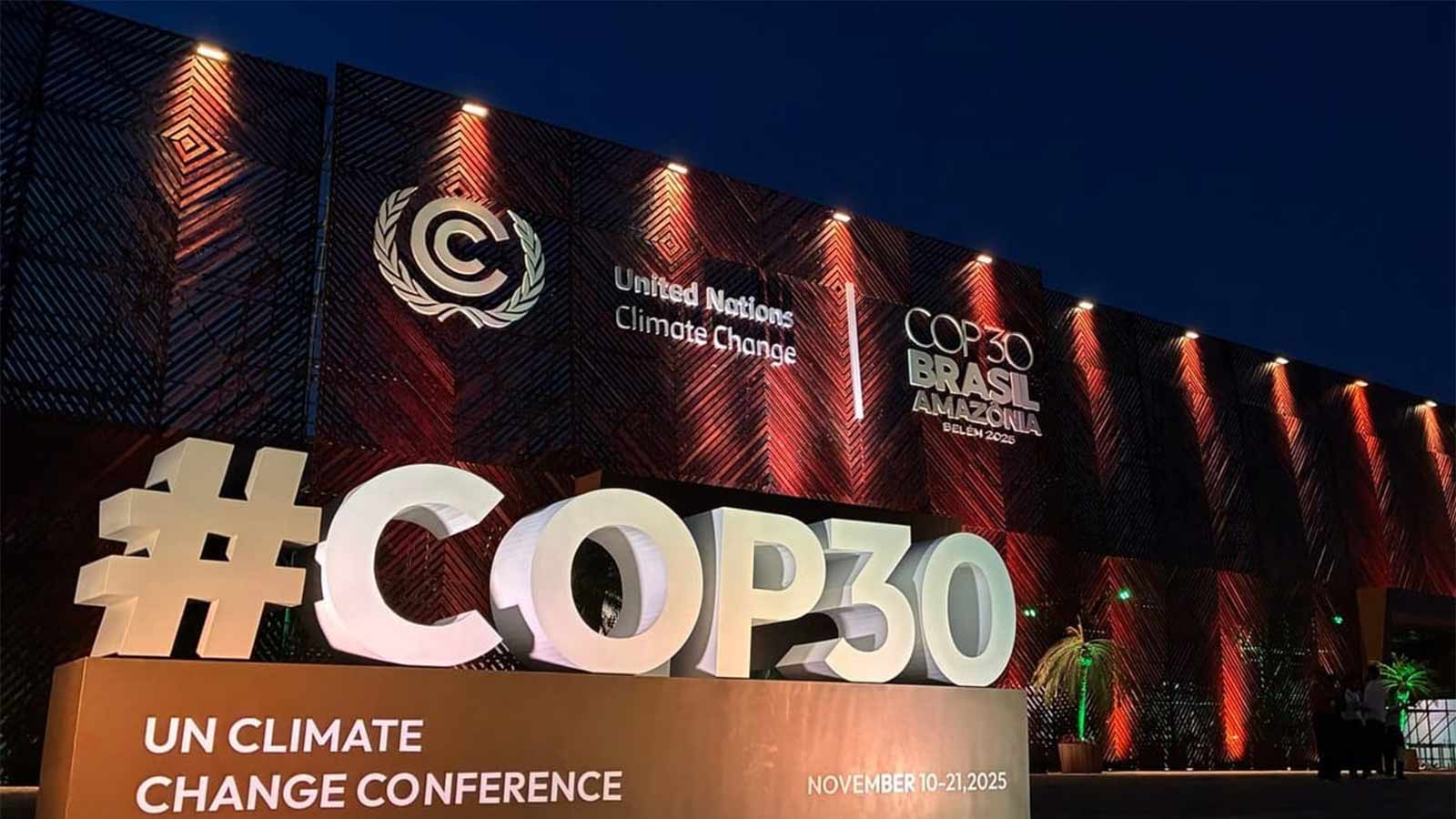
- COP30 is taking place in Belém, Brazil from November 10-21, 2025.
- President Trump and senior US officials are absent, signaling a shift in US climate engagement.
- WHO’s Health Pavilion at COP30 is spotlighting health and equity in climate negotiations.
- The US has adopted a more aggressive stance, opposing international climate measures.
- Global clean energy development continues to accelerate despite US policy setbacks.
US Absence at COP30: Relief or Risk?
The United Nations COP30 climate summit kicked off this week in Belém, Brazil, with a mood that’s hard to pin down. Normally, the world’s eyes would be fixed on the US delegation, waiting to see how the planet’s largest historical emitter would steer or stall global climate progress. But this year, the absence of President Donald Trump and other senior US officials has cast a different kind of shadow over the event—a shadow that some delegates say brings more relief than regret.
Since Donald Trump’s return to the White House, the US stance on climate has shifted from passive disengagement to outright opposition. Trump’s dismissal of the climate crisis as “the greatest con job ever perpetrated on the world” now echoes in the halls of international diplomacy. His administration’s rhetoric—warning that “green scams” threaten national security and prosperity—has rippled through negotiations, prompting both frustration and a wary hope that the US might simply stay out of the way.
According to a former senior State Department official, the calculus has changed: “If the choice is no US, or a US that is there as a spoiler, to wreck and disrupt things, then I think most countries would prefer there to be no US.” The sentiment is widely shared. For decades, American commitment to global climate agreements has wavered, but today, the administration is actively lobbying for increased fossil fuel use and urging others to abandon their climate policies.
Notably, Trump’s absence at last week’s leaders summit—the curtain raiser for COP30—didn’t go unnoticed. His climate denial was publicly called out by the presidents of Colombia and Chile, who labeled him a liar for rejecting climate science. The US position, now more hostile than at any previous point, has led some negotiators to compare it unfavorably even to Saudi Arabia, historically a tough but pragmatic participant in climate talks.
Global Climate Negotiations: Tensions and Tactics
Behind the scenes, American influence still looms. Recent meetings in London, where nations tried to implement a small levy on greenhouse gas emissions from shipping, saw US representatives accused of using “bully-like” tactics—threatening higher port fees and visa restrictions to derail the initiative. Trump himself dubbed the proposal a “global green new scam tax on shipping,” and the effort was ultimately delayed, a testament to the US’s disruptive power even from afar.
Sheldon Whitehouse, a Democratic senator, noted that these interventions have little actual impact on the US economy, especially when compared to Trump’s broader tariff wars. Yet the administration’s willingness to go to extremes to block climate action signals a new level of aggression. Climate advocates warn that nations must stand firm, lest they cede ground to an administration willing to seize any opportunity to roll back environmental protections.
The US’s “drill, baby, drill” approach has led to bilateral deals boosting fossil fuel production with countries like Japan and South Korea, and has pressured the European Union to purchase more American oil and gas. Even renewable energy projects—like wind farms in the UK—have come under fire, with Trump dismissing wind as “a very expensive joke.”
Yet, the momentum toward clean energy globally remains strong. The International Energy Agency reports that nearly 4,600 gigawatts of clean power are expected to be built between now and 2030—almost double the previous five-year period. As Todd Stern, former US climate negotiator, puts it, “You can’t hold back the waves. There’s irreversible, strong, vigorous motion towards clean energy across the world.”
Health at the Heart of COP30: The Health Pavilion
While the geopolitics of climate negotiation dominate headlines, COP30 is also making space for public health. The World Health Organization (WHO), in partnership with Wellcome and the broader health community, is hosting the Health Pavilion in the summit’s Blue Zone. Over two weeks, this hub will convene experts, policymakers, and advocates to ensure that health and equity are central to climate discussions—a move that feels increasingly urgent as climate-related disasters intensify.
The Health Pavilion’s packed schedule includes live-streamed events, evidence-based panels, and showcases of innovative solutions designed to maximize the health benefits of climate action across regions and sectors. By placing health at the core of negotiations, COP30 is acknowledging a simple truth: climate change is not just an environmental issue, but a human one, with impacts felt most acutely by the world’s vulnerable populations.
For low-lying and developing countries, the stakes are existential. Ilana Seid, chair of the Alliance of Small Island States, emphasized that the US withdrawal from the Paris Agreement has left a leadership vacuum. “Smaller, developing countries do not have the resources to recover from the devastation wrought by enormous storms such as Hurricane Melissa, which last month smashed into Jamaica,” she said. With the 1.5°C target slipping further from reach, the disproportionate burden on those least responsible for climate change is increasingly clear.
Looking Ahead: Unity, Resistance, and Urgency
Despite the absence of the US government, roughly 100 American governors, members of Congress, and local officials are attending COP30, hoping to signal that much of the US remains committed to climate action. Their presence may offer some reassurance, but the overarching challenge remains: can the world accelerate meaningful progress in the face of rising authoritarianism and anti-science sentiment?
Rachel Cleetus of the Union of Concerned Scientists summed up the dilemma: “No country, including the United States that is now being led by an anti-science, increasingly authoritarian Trump administration, can stop global climate action. The question is, is it going to accelerate fast enough, given the dire space we’re in now with the climate crisis? We have this rapidly shrinking window. The science is absolutely stark.”
Meanwhile, a malaise has settled over global climate politics. Inflation, political instability, and competing priorities have pushed climate down the agenda in many nations. Some advocates have shifted focus or even downplayed the crisis. Trump’s recent claim that he “won the War on the Climate Change Hoax,” referencing Bill Gates’s supposed change of heart, only underscores the scale of misinformation confronting negotiators.
As the world gathers in Belém, the challenge is not just technical—setting new emissions targets, agreeing on climate finance—but deeply political and moral. The absence of the US at COP30 removes a major obstacle, but also highlights the urgent need for new leadership, fresh resolve, and a renewed commitment to science and equity. The Health Pavilion’s prominence is a reminder that, ultimately, climate change is about people: their lives, their health, and their futures.
At COP30, the US absence is both a relief and a warning. While it may clear the path for more constructive negotiations, it also underscores a dangerous vacuum in global leadership. The world’s response—centered increasingly on health, equity, and resilience—shows a determination to move forward, but the pace must accelerate. As the climate crisis deepens, the summit’s true test will be whether unity and science can prevail over division and denial.