
Quick Read
- Oklahoma Supreme Court heard arguments challenging new restrictions on ballot initiative petitions.
- Senate Bill 1027 adds geographic, financial, and procedural hurdles for petition organizers.
- California appeals court paused a law requiring large companies to report climate-related financial risks.
- Legal debates center on constitutional rights versus public interest in both states.
Oklahoma Supreme Court Questions Burdens of New Ballot Initiative Law
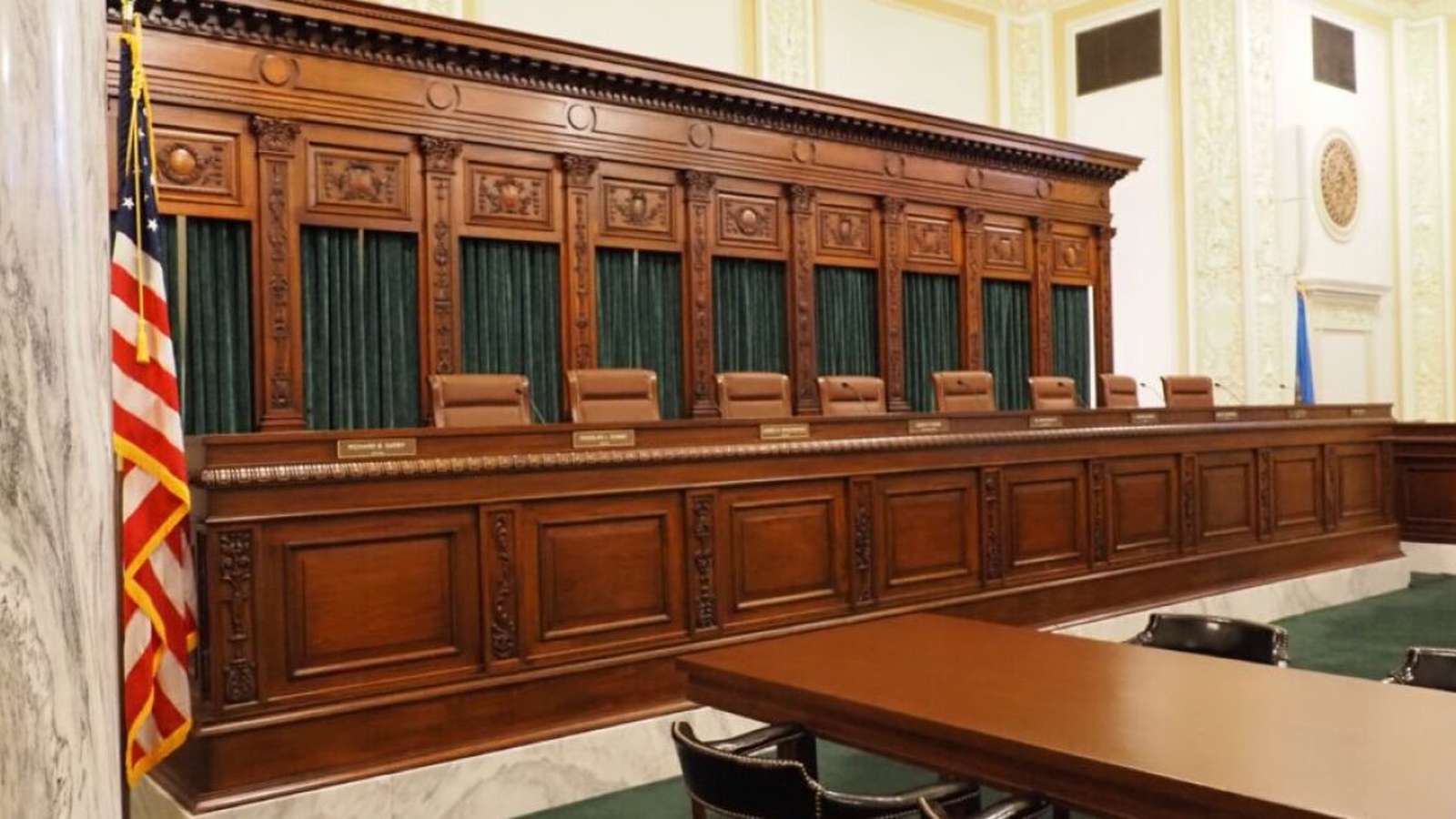
On a brisk morning in November 2025, the Oklahoma Supreme Court became the stage for a heated debate over Senate Bill 1027—a law that has reshaped how citizens can bring issues to the ballot. Attorneys fielded pointed questions from justices about whether the new restrictions have crossed a line from regulation to outright suppression.
Justice Noma Gurich summed up the mood in the courtroom: “At some point, the burdens pile up and it becomes an undue burden.” The central issue? Whether the new requirements—forcing signature collectors to canvass not just city centers but also rural counties, banning payment per signature, demanding donor disclosures, and barring out-of-state contributions—make the process so difficult that everyday Oklahomans are effectively shut out.
Randall Yates, representing the plaintiffs, argued that the law doesn’t just regulate; it frustrates citizens at every turn. “It imposes county signature caps that deny the right to otherwise qualified Oklahoma voters,” he insisted. The law also places a political appointee, the Secretary of State, in charge of approving the ballot measure’s summary, a move Gurich herself questioned for its potential to let the governor control the gist of citizen initiatives.
Yates painted a stark picture: Even before SB 1027, Oklahoma’s initiative process was one of the toughest in the country, with high signature thresholds and a 90-day circulation window. Over the last quarter century, only five out of eleven state questions advanced through this process have become law. “Senate Bill 1027’s new provisions will only drive those numbers down,” he warned.
But the state, represented by Zach West from the Attorney General’s Office, countered that the changes are both reasonable and constitutional. He pointed to the tendency of signature collectors to focus on urban areas, leaving rural voices unheard. West noted that about 15 states with initiative petition processes use geographic restrictions, and argued that Oklahoma’s legislature is simply fulfilling its constitutional duty to regulate the process. “We think it is very suitable, very reasonable,” West said, leaving the final decision in the hands of the justices.
As the hearing closed, it was clear that the Court’s ruling could redefine not only how issues reach the ballot but also the balance of citizen power versus government oversight in Oklahoma.
California’s Climate Disclosure Laws Paused Amid Constitutional Challenges
Meanwhile, on the West Coast, a federal appeals court pressed pause on a landmark California law requiring large companies to report climate-related financial risks. The law, signed by Governor Gavin Newsom in 2023, was set to take effect in January 2025 and would have required companies earning more than $500 million annually to disclose how climate change might impact their finances every two years.
Another related law requiring major corporations to report their carbon emissions remains in effect, for now. These policies, hailed by environmental advocates as the most sweeping in the nation, aim to force transparency and encourage businesses to confront their environmental footprint. Over 4,100 businesses would be affected by the financial risk law, while roughly 2,600 would fall under the emissions reporting requirement, according to the California Air Resources Board.
The legal challenge, led by the U.S. Chamber of Commerce, centers on claims that the laws violate companies’ First Amendment rights. “One state should not have the ability to impose this kind of burden on the entire country,” said Chamber lawyer Daryl Joseffer. He argued that the compliance costs would ripple through supply chains nationwide. The Chamber briefly sought emergency relief from the Supreme Court, but withdrew after the appellate court’s decision to pause the law.
California officials, including spokesperson Lindsay Buckley of the Air Resources Board, maintained that commercial speech is not protected in the same way as individual speech under the Constitution. The state continues to defend the laws, citing their necessity for climate accountability. At the federal level, similar efforts have faced hurdles; the U.S. Securities and Exchange Commission’s rule on corporate climate disclosures remains paused due to ongoing litigation.
For now, California’s push for environmental transparency is in limbo, with courts weighing the balance between statewide policy ambitions and constitutional protections for business.
Broader Implications: Courts as Referees of Democracy and Accountability
Both cases, in Oklahoma and California, reveal a deeper tension in American law: Who gets to set the rules for public participation and accountability? In Oklahoma, the court must decide whether lawmakers have gone too far in restricting citizens’ ability to shape policy directly. In California, judges are tasked with weighing the state’s right to regulate for the common good against the constitutional rights of businesses.
What’s at stake isn’t just the laws themselves, but the broader principles of democracy and transparency. As governments seek to regulate—from ballot initiatives to climate disclosures—the courts become the final arbiters, tasked with balancing competing interests. The outcomes of these cases could shape not only state policy, but also national debates about civic rights and corporate responsibility.
Ultimately, these legal battles highlight how the courts serve as both gatekeepers and guardians—filtering out excesses while protecting core rights. In a year marked by legislative ambition and public scrutiny, the judiciary’s role in mediating the boundaries of regulation and freedom has rarely felt more crucial or contested.