
Quick Read
- Crimson Desert offers three display modes on PS5: Performance, Quality, and Balanced, each balancing frame rate against visual fidelity.
- Players using 120Hz displays may need to adjust PS5 system settings to ensure proper 4K output compatibility.
- Pearl Abyss has confirmed the accidental inclusion of AI-generated placeholder assets and pledged to replace them in upcoming patches.
Following the highly anticipated release of Crimson Desert, players on PlayStation 5 are now assessing the technical performance of the massive open-world title. As the game lands on console hardware, users are navigating a choice of three distinct display modes, each presenting a significant trade-off between visual fidelity, resolution, and frame rate stability.
Evaluating Crimson Desert PS5 Display Modes
Developer Pearl Abyss has implemented three primary settings for the PlayStation 5 version of Crimson Desert. The Performance mode targets 60 frames per second at a 1080p resolution, incorporating lower-intensity ray tracing to maintain fluid gameplay. Conversely, the Quality mode prioritizes visual sharpness by offering an upscaled 4K resolution at 30 frames per second, accompanied by higher-end ray tracing effects. A third, Balanced mode, attempts to bridge the gap by targeting an upscaled 4K output at approximately 40 frames per second.
Reports indicate that while the Quality mode provides a notably cleaner image in dense environments, users may experience texture pop-ins more frequently in the Performance setting. For those utilizing 120Hz-capable displays, hardware settings may require manual adjustment; it is recommended to disable the 120Hz output in the PS5 system menu if the display does not support simultaneous 4K and 120Hz functionality to avoid potential conflicts.
Technical Challenges and Development Transparency
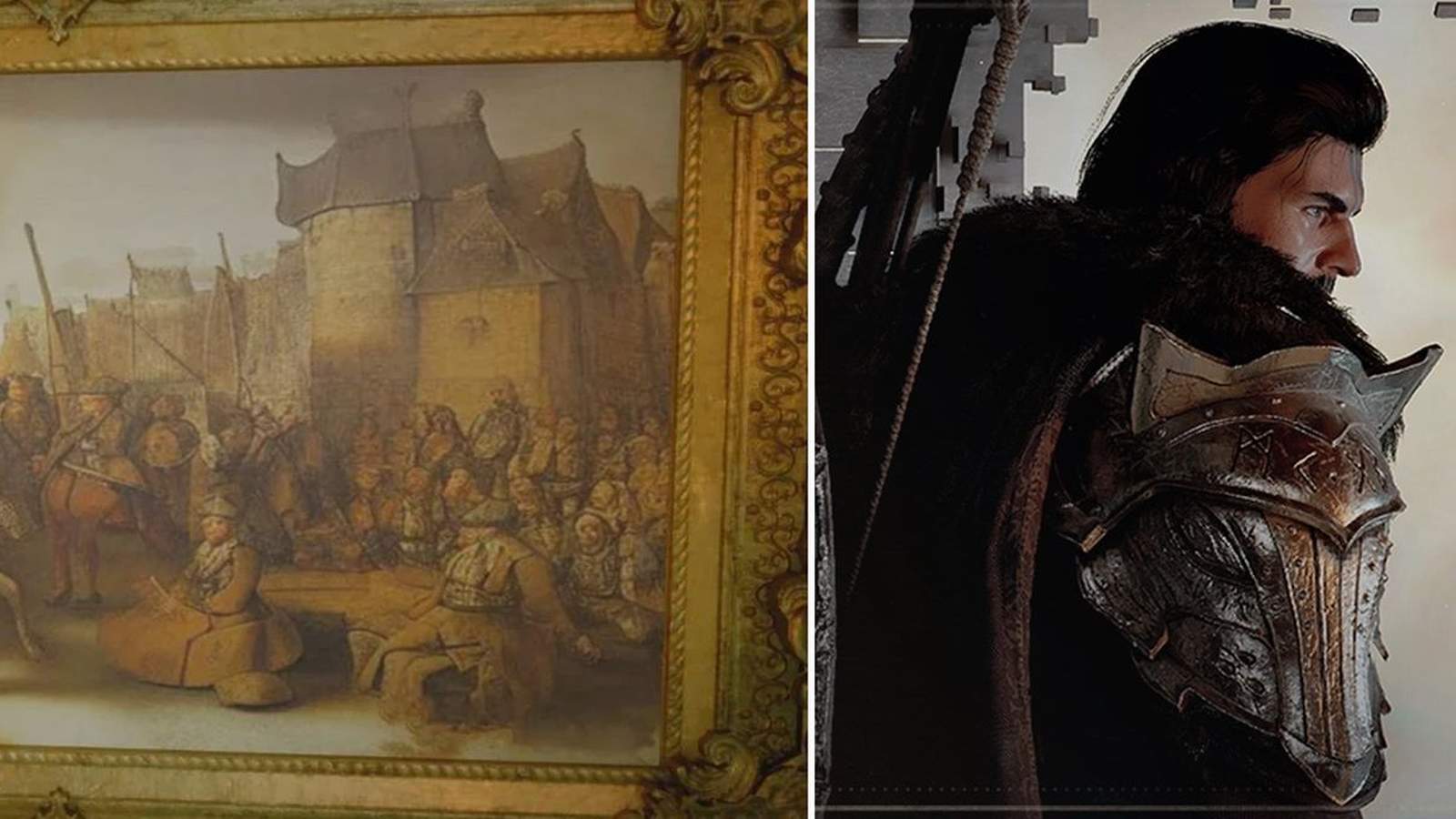
Beyond hardware performance, Crimson Desert has faced scrutiny regarding its development process. Following community observations on social media and Reddit, Pearl Abyss confirmed that some 2D visual assets—specifically paintings and environmental props—were inadvertently created using generative AI tools during early-stage iteration. The studio has apologized for the oversight, noting that these placeholders were intended to be replaced before launch.
Pearl Abyss has since added a formal disclosure to the game’s digital storefronts, as required by platform policies, and has committed to replacing the affected assets through future updates. While technical stability on console remains a primary focus for many, these revelations regarding the development workflow have contributed to a complex initial reception for the title.
While the technical trade-offs between resolution and frame rate on current-gen hardware highlight the challenges of optimizing massive open-world projects, the ongoing refinement of these performance modes and the commitment to asset replacement suggest that the game’s technical state is expected to evolve in the months following its release.