
Quick Read
- Cubs sign Hoby Milner to a one-year, $3.75 million contract with incentives.
- Milner posted a 3.84 ERA over 73 appearances with the Rangers in 2025.
- He is a ground-ball specialist, ranking in the 91st percentile last season.
- Milner will be the most experienced left-handed reliever in the Cubs bullpen.
- Chicago’s bullpen lost several key arms to free agency this offseason.
Hoby Milner Joins the Cubs: Veteran Southpaw Brings Unique Skillset
The Chicago Cubs have made a strategic addition to their bullpen, signing left-handed reliever Hoby Milner to a one-year contract worth $3.75 million, plus incentives. The deal, first reported by Bleacher Nation and confirmed by MLB.com, positions Milner as a central piece in Chicago’s evolving relief corps for the 2026 season.
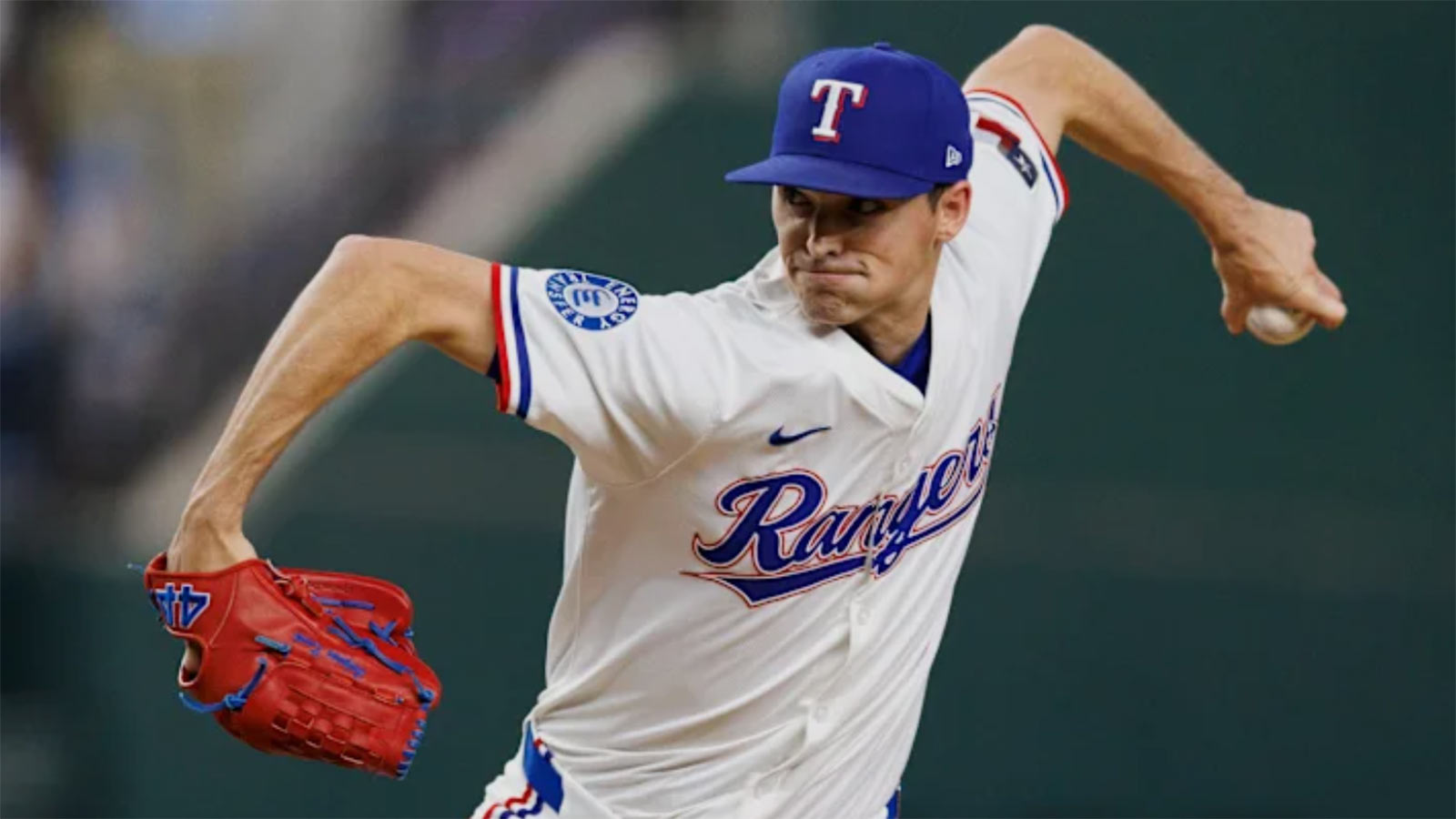
Milner, set to turn 35 in January, isn’t your typical flame-throwing southpaw. His fastball and sinker hover in the high 80s, but velocity has never been his calling card. Instead, Milner relies on an unorthodox sidewinding delivery that keeps hitters off balance. His arsenal—a blend of sinker, slider, and changeup—has helped him carve out a reputation as a reliable, ground-ball inducing reliever.
Track Record: Consistency and Efficiency Over Nine Seasons
Over the past four seasons, Milner has logged at least 64 innings each year, an impressive feat for a modern reliever. In total, he’s pitched 264 innings during that span, posting a 3.55 ERA and maintaining a strikeout rate of 22.6%—right around league average. Where Milner really stands out is in his walk rate (5.8%) and ground-ball rate (51.1%), both notably better than league norms. Statcast metrics paint a similar picture: Milner’s exit velocity allowed (87 mph), barrel rate (5.4%), and hard-hit rate (35.5%) all surpass the average, limiting damage and keeping balls on the ground.
His role has often been as a middle reliever, bridging the gap between starters and closers. In the past four years, Milner has accumulated 49 holds and a single save, showing a knack for preserving leads rather than finishing games. He’s especially effective against left-handed batters, who have managed just a .221/.269/.339 slash line against him across 341 1/3 career innings. Righties have found more success, but Milner’s situational value is undeniable, especially in matchups late in close games.
2024-2025: Navigating Ups and Downs
Milner’s journey hasn’t been without turbulence. In 2024, he posted an ERA spike to 4.73 with the Milwaukee Brewers, prompting the team to non-tender him despite an arbitration projection of $2.7 million. The Texas Rangers saw potential for a bounce-back, signing Milner to a $2.5 million deal for 2025. That bet paid off: he appeared in 70 games, tossing 70 1/3 innings with a 3.84 ERA, a 1.27 WHIP, and 58 strikeouts. His ground-ball percentage ranked in the 91st percentile in MLB, reaffirming his specialist status.
2023 was arguably Milner’s best year, when he posted a 1.82 ERA and a stingy 0.964 WHIP with the Brewers. His ability to limit walks (1.8 per nine innings) and keep hitters from barreling up the ball made him one of the league’s most effective relievers that season.
Cubs Bullpen Outlook: Filling Key Gaps
The Cubs’ bullpen performed respectably in 2025, finishing with a collective 3.78 ERA—just outside the top ten in MLB. But the offseason brought turnover. Brad Keller, Caleb Thielbar, Drew Pomeranz, Taylor Rogers, Michael Soroka, Aaron Civale, and Ryan Brasier all hit free agency. Andrew Kittredge was traded to the Orioles for cash, thinning the ranks further. Chicago, known for its cost-conscious approach to bullpen construction, typically avoids multi-year deals for relievers. Phil Maton’s recent two-year contract broke that trend, but Milner’s deal fits the team’s traditional preference for affordable, short-term commitments.
Before Milner’s signing, the bullpen’s left-handed options were sparse. With Thielbar, Pomeranz, and Rogers departing, Luke Little was the top southpaw, though he had just 35 1/3 career innings and an 18.2% walk rate. Milner’s experience instantly makes him the most seasoned lefty in the group, though further additions could follow as the Cubs continue shaping their roster.
Financials and Roster Impact
Milner’s addition brings the Cubs’ payroll to $184 million and their competitive balance tax figure to $199 million, according to RosterResource. The CBT threshold for 2026 is $244 million, leaving Chicago with $45 million in flexibility. After narrowly exceeding the tax line in 2024 and ducking below it in 2025, the Cubs remain on the lookout for further upgrades, especially in the starting rotation. They’ve been linked to free agent Alex Bregman and are expected to pursue additional relievers before the offseason ends.
Manager Craig Counsell, who oversaw Milner’s rise in Milwaukee, knows firsthand what the lefty brings to the table. That familiarity could prove vital as the Cubs integrate Milner into high-leverage situations and rely on his ground-ball skills to escape jams.
What Milner Means for the Cubs in 2026
Milner isn’t a household name, but his consistency and adaptability make him a valuable piece for a bullpen in transition. As the most experienced lefty in a group short on southpaw depth, he’ll be counted on to stabilize late innings and neutralize opposing left-handed hitters. His contract, a modest raise over last year, reflects both his track record and the Cubs’ confidence in his ability to deliver.
Ultimately, Milner’s signing is about more than filling a roster spot—it’s about finding reliability in a sport where bullpens can make or break a season. For Chicago, the move signals a commitment to shoring up weaknesses while maintaining financial flexibility for bigger moves to come.
Milner’s arrival in Chicago is a calculated investment in ground-ball expertise and veteran stability. As the Cubs navigate a pivotal offseason, his presence could be the difference between a bullpen that holds the line and one that falters under pressure. With several key arms gone, the success of Milner’s one-year stint will likely set the tone for how the Cubs approach late-game strategy in 2026.