
Quick Read
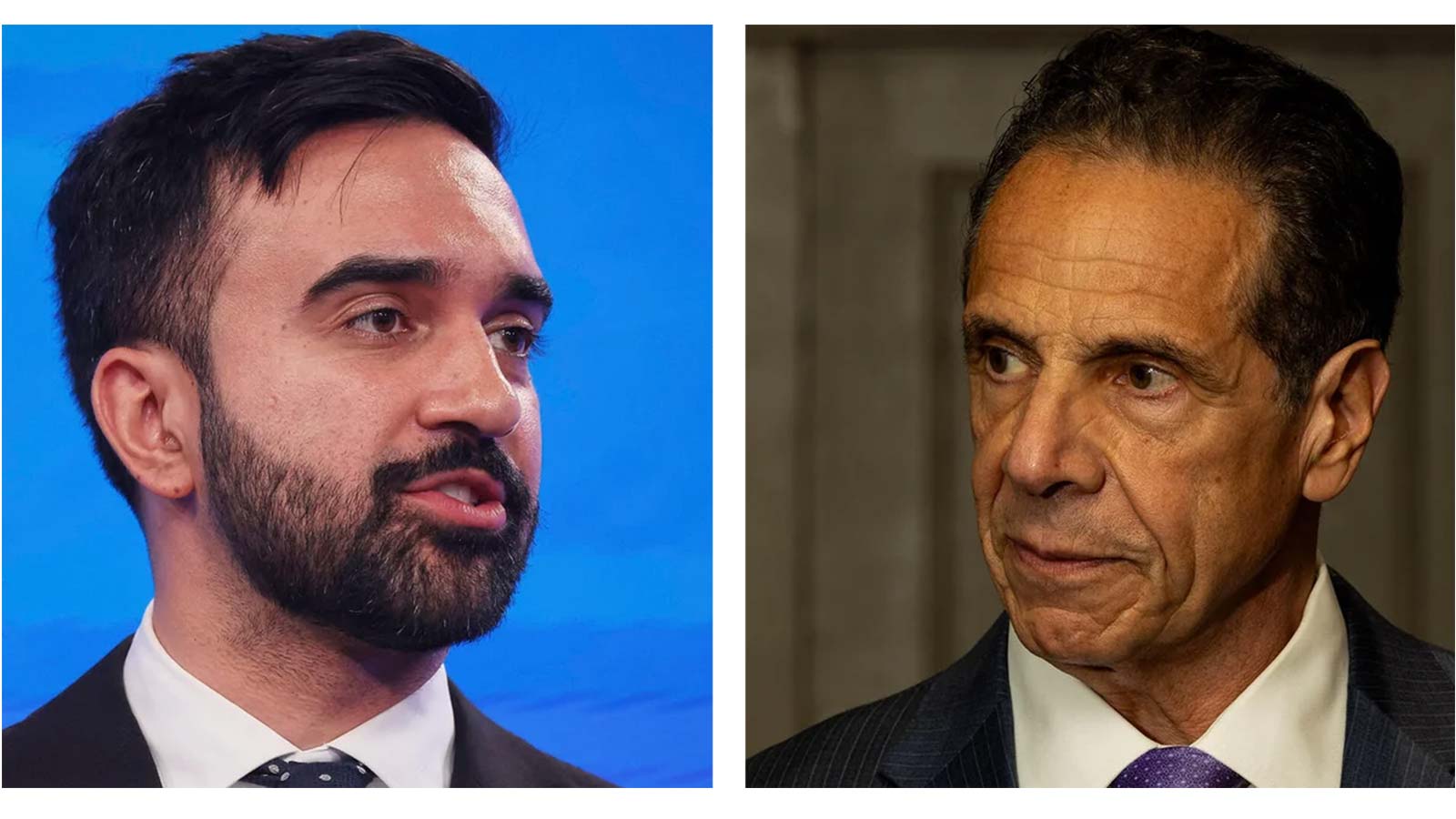
- Andrew Cuomo is running for NYC mayor as an independent after losing the Democratic primary to Zohran Mamdani.
- Donald Trump endorsed Cuomo, citing opposition to Mamdani and threatening to restrict federal funding if Mamdani wins.
- Mamdani leads the polls, offering a progressive platform and historic potential as NYC’s first Muslim mayor.
- Republican Curtis Sliwa trails behind, focusing on public safety and police expansion.
- Former mayor Eric Adams withdrew from the race and endorsed Cuomo.
Cuomo Returns: The Stakes and the Shadows
On a brisk November morning, New York City’s future hangs in the balance. As voters file into polling stations across the city’s five boroughs, the mayoral race is anything but routine. Andrew Cuomo, the former governor whose resignation in 2021 followed a sexual harassment scandal, is attempting a comeback. But this is not simply a redemption story. It’s a contest shaped by unexpected alliances, deep ideological divides, and the unmistakable shadow of national politics.
Cuomo’s journey back to the center stage has been anything but smooth. After losing the Democratic primary to Zohran Kwame Mamdani, a 34-year-old state assembly member who identifies as a democratic socialist, Cuomo launched an independent bid. His campaign initially leaned into pragmatic city management and mental health advocacy, but as the campaign heated up, he pivoted towards courting conservative voters—making appearances on right-wing media and even visiting Republican strongholds across the city.
Trump’s Calculated Endorsement: Reluctance and Realpolitik
In a twist that’s raised eyebrows far beyond city limits, President $1 Trump has waded into the race. On the eve of Election Day, Trump took to his Truth Social platform and national television to send a clear, if somewhat grudging, message to his supporters: vote for Cuomo. “Whether you personally like Andrew Cuomo or not, you really have no choice. You must vote for him, and hope he does a fantastic job,” Trump posted. His endorsement, as reported by BBC and Al Jazeera, was less about enthusiasm for Cuomo and more about opposition to Mamdani, whom he labeled “a Communist with no experience and a Record of COMPLETE AND TOTAL FAILURE.”
Trump’s rhetoric went further, threatening to restrict federal funding for New York City if Mamdani wins. “It is highly unlikely that I will be contributing Federal Funds, other than the very minimum as required,” Trump warned. The city, which received $7.4 billion in federal funds this fiscal year, faces the prospect of diminished support if the left-leaning Mamdani takes office. Trump’s position is clear: in his eyes, a vote for the Republican candidate, Curtis Sliwa, is tantamount to a vote for Mamdani, making Cuomo the only viable alternative.
Cuomo, for his part, has been cautious in his response. “He’s not endorsing me. He’s opposing Mamdani,” Cuomo said, emphasizing his independence and experience dealing with Trump during his tenure as governor, particularly during the Covid-19 pandemic.
Mamdani’s Rise: Progressive Platform and Historic Potential
Zohran Mamdani’s campaign has captured the imagination of many New Yorkers seeking transformative change. Born in Uganda, raised in New York, and the son of distinguished academics, Mamdani represents Astoria, Queens, in the state assembly. His platform is unapologetically progressive, focusing on wealth redistribution, expanded public services, and urban transformation. Among his headline proposals: making all city buses free by 2027—a plan inspired by pilot programs that showed increased ridership and improved safety for drivers.
Mamdani’s candidacy is historic on multiple fronts. If elected, he would be New York City’s first Muslim mayor, its youngest in over a century, and its first mayor of Indian descent. His outspoken stance on international issues—particularly his criticism of Israel’s actions in Gaza—has made him both a lightning rod and a rallying point for younger, more progressive voters.
Responding to Trump’s attacks, Mamdani has rejected the “communist” label, joking in one interview that he is “kind of like a Scandinavian politician, only browner.” He frames Trump’s threats to cut funding as political bluster rather than legal reality. “It is a threat. It is not the law,” Mamdani asserts, focusing instead on his vision for a city that “believes in the dignity of everyone who calls this place home.”
The Republican Factor: Sliwa’s Struggle for Attention
While much of the spotlight has fallen on the Cuomo-Mamdani contest, Republican candidate Curtis Sliwa remains an active, if trailing, presence. Sliwa, famous for founding the Guardian Angels in 1979, centers his campaign on public safety, promising to hire 7,000 new NYPD officers and revive controversial policing units. Despite his efforts and visibility—he’s known for his subway patrols and animal protection advocacy—Sliwa has struggled to gain traction, with polls consistently showing him behind both Mamdani and Cuomo.
Eric Adams: The Incumbent’s Exit and Its Impact
Until late September, incumbent Mayor Eric Adams was expected to seek re-election. But dogged by corruption scandals, a federal investigation, and declining poll numbers, Adams withdrew from the race. In a move that surprised many, he switched his party affiliation from Democrat to independent and endorsed Cuomo, perhaps hoping his support would help stabilize the city’s political landscape after a tumultuous tenure.
Adams’ exit has left a vacuum—and underscored the volatility of New York politics. His relationship with Trump, including a much-noted visit to Mar-a-Lago, has added another layer of intrigue to a race already overflowing with national significance.
Population, Power, and the Pulse of the City
New York City, home to nearly 8.5 million people spread across Brooklyn, Queens, Manhattan, the Bronx, and Staten Island, is the nation’s most populous and densely packed urban center. Its diversity and dynamism mean that the mayoral race is about more than personalities—it’s about the future of a city that sets trends for the rest of the country.
Voters, eligible if they are US citizens, city residents for at least 30 days, and over 18, have flocked to the polls, knowing their choice will ripple far beyond the city’s boundaries.
Looking Ahead: A City at a Crossroads
As the day unfolds, the race remains unpredictable. Mamdani leads the polls, but Trump’s intervention has injected uncertainty, especially among moderate and conservative voters. Cuomo’s experience and name recognition stand in stark contrast to Mamdani’s fresh, progressive energy. Sliwa’s campaign, while energetic, has yet to break through the noise.
What’s clear is that New York City is once again serving as a microcosm for the national mood—a place where alliances shift, ideologies clash, and the stakes couldn’t be higher. Whether the city embraces bold change, opts for experienced pragmatism, or surprises everyone with a last-minute twist, the outcome will send ripples across the country.
Cuomo’s mayoral run is more than a personal comeback—it’s a referendum on the city’s political soul. Trump’s calculated endorsement and Mamdani’s progressive challenge have transformed the race into a battle over the city’s identity and its relationship with Washington. Whatever the result, New York is poised for profound change, and its next mayor will inherit both the promise and the peril of a city forever in flux.