
Quick Read
- Customs processing at the Agarak crossing should be accelerated as construction works continue nearby.
- Officials say efficient border procedures are essential to prevent delays for trade and travel.
- The move aims to protect supply chains and facilitate cross-border commerce with Iran.
- Authorities will balance speed with security and regulatory compliance during ongoing works.
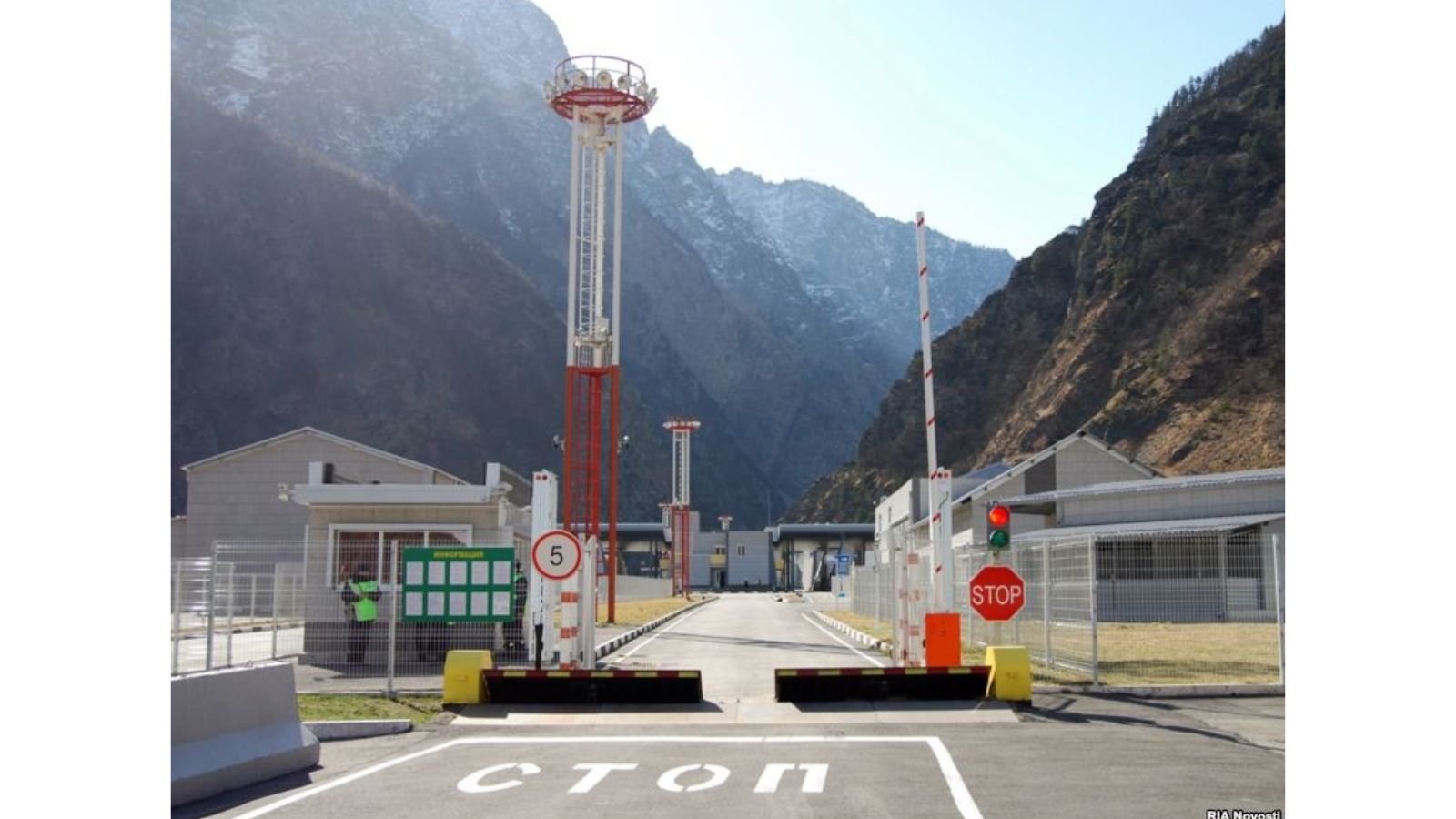
The Agarak border crossing, situated on Armenia’s southern frontier with Iran, is increasingly in the spotlight as construction activity around the crossing intensifies. In such moments, the flow of goods and people across this border becomes a critical test of how well border agencies can reconcile speed with scrutiny. Observers say that, in an era of rising regional trade pressures and growing demand for reliable logistics, the ability to clear customs rapidly at this point matters not just to traders but to broader economic links between Armenia and its southern neighbor.
Customs procedures at border points like Agarak traditionally determine the clock speed at which commerce can move. When a crossing functions smoothly, shipments—whether trucks carrying commodities or parcels for passengers—can transition from one jurisdiction to another with minimal dwell time. Conversely, bottlenecks at the border translate into delays that ripple through supply chains, affecting prices, delivery timelines, and business planning. The Ararat plain and border areas have long been aware that efficiency at points of entry and exit can influence regional perceptions of reliability and business friendliness. In the context of Agarak, this understanding takes on renewed urgency as construction activity in the vicinity could add layers of complexity to processing lines, checkpoints, and traffic flow.
The ongoing construction near the Agarak crossing presents both a challenge and an opportunity. On one hand, work zones, lane shifts, and temporary barriers can slow routine movements and necessitate adjustments in how documents are checked, declarations are reviewed, and goods are inspected. On the other hand, a coordinated approach to civil works and border management can yield long-term gains in speed and predictability. Officials emphasise that the objective is to minimize disruption while preserving the integrity of security, customs controls, and standard operating procedures. In practical terms, this means maintaining clear signage, short processing intervals for routine declarations, and a steady rhythm of inspections that do not devolve into avoidable delays for low-risk cargo and travelers.
Armenian authorities have long underscored that efficient border processing is essential to sustaining cross-border trade with Iran—a relationship that carries strategic significance for the country’s economy, energy security, and regional connectivity. The Agarak crossing functions as a gateway amid broader efforts to diversify trade routes and improve logistics capacity. In this frame, speed at customs checkpoints is not an isolated metric; it is part of a wider conversation about how Armenia integrates with neighboring markets and how regional infrastructure upgrades can translate into tangible business advantages. The challenge, then, is to implement measures that accelerate clearance without compromising the thoroughness required by customs and border security regimes. This balance is central to how border institutions respond to the pressures of modern commerce and the practical realities of construction activity near busy ports of entry.
Experts note that modern border management increasingly relies on a combination of risk-based checks, streamlined declarations, and digital data exchange between authorities to cut dwell times. While such practices may be more familiar at larger, busier crossings, their core principles—identifying high-risk shipments while expediting routine movements—are widely applicable. The situation at Agarak will test whether these principles can be adapted effectively in a context where construction work can create temporary frictions. If implemented well, these measures have the potential to reduce processing times, shorten queues, and improve the predictability of crossing times for transporters and travelers alike. Yet the success of any speed-up initiative will depend on sustained coordination among customs authorities, border police, and the agencies overseeing the construction work that surrounds the crossing. Communication, contingency planning, and real-time adjustments to the flow of traffic and documentation are all critical components of turning the construction-related challenges into durable, long-term gains in efficiency.
Beyond the immediate logistics, the emphasis on rapid customs clearance at Agarak speaks to broader questions about how Armenia positions itself within regional supply chains. As infrastructure projects advance and cross-border traffic to Iran continues to play a meaningful role in domestic and regional economics, the ability to keep border processing moving swiftly becomes a signal of reliability for traders, carriers, and travelers. The international audience—business partners, logistics providers, and policy analysts—will be watching how the Agarak crossing adapts to the dual pressures of ongoing development and the imperative to safeguard border integrity. In this sense, the situation at Agarak offers a microcosm of a wider global trend: the push to combine speed and security at borders in an era of increasing trade volumes, tighter security expectations, and complex, multi-stakeholder infrastructure projects.
As construction progresses, the effectiveness of the border management response will influence perceptions of Armenia’s commitment to maintaining open, efficient, and secure links with its neighbors. The immediate path forward involves ensuring that the operational tempo of customs checks remains high, that documentation requirements are as clear and streamlined as possible, and that the innovations in border administration—whether technological, procedural, or organizational—are implemented consistently. If these conditions are met, Agarak could emerge not merely as a pass-through point but as a model for how border crossings can adapt to concurrent demands of development and globalization. In the end, the goal is straightforward: to ensure that the crossing continues to facilitate trade and movement with minimal friction, even as construction and modernization work on the ground intensify around it.
The overarching takeaway is cautious optimism. With deliberate planning, transparent communication, and careful balancing of speed and security, the Agarak crossing may demonstrate that it is possible to accelerate customs processing without compromising the safeguards that underpin safe and compliant cross-border exchange. The coming months will reveal whether the current arrangements are sufficient to keep dwell times low amid ongoing works and whether further enhancements—in staffing, technology, or process design—will be pursued to sustain improved performance in the long term.
Final assessments will depend not only on how fast the lines move today but on whether the improvements endure as construction cycles complete and traffic patterns evolve. If authorities manage to maintain consistent processing times while construction proceeds, Agarak could reinforce Armenia’s reputation as a reliable hub for cross-border commerce with Iran, contributing to greater regional stability and opportunity in the years ahead.