
Quick Read
- Rep. Dan Crenshaw publicly supported Sen. Ted Cruz’s criticism of Tucker Carlson for interviewing Nick Fuentes.
- Crenshaw called Carlson “a bad person” and referenced his long-standing feud with the media personality.
- The controversy centers on Carlson’s decision to feature Fuentes, a far-right commentator known for antisemitic views and Holocaust denial.
- Crenshaw’s remarks highlight growing Republican discomfort with radical voices in conservative media.
Crenshaw Steps Forward: A United GOP Response to Carlson’s Controversial Interview
In the world of American media and politics, few moments ignite such swift and pointed reaction as the recent interview between Tucker Carlson and Nick Fuentes. The fallout from this televised encounter has rippled across party lines, but it is within the Republican ranks that the debate has grown most intense. Among those voicing strong opposition is Texas Congressman Dan Crenshaw, who has joined Senator Ted Cruz in publicly condemning Carlson’s decision to give Fuentes a platform.
Background: Why Tucker Carlson’s Interview Sparked Outrage
Nick Fuentes, a figure widely known for his far-right views, including documented antisemitic statements and Holocaust denial, appeared on Tucker Carlson’s show in late October. Carlson, once a flagship host at Fox News and now an independent media personality, has long been a lightning rod for controversy. The decision to host Fuentes triggered immediate backlash, not only from advocacy groups but also from prominent Republican voices. Senator Ted Cruz was among the first to speak out, labeling the interview as irresponsible and dangerous. VINnews reports that Crenshaw echoed Cruz’s criticisms, stating, “Mr. Cruz put it pretty well. I’ve had a long-standing feud with Tucker Carlson. Glad everyone is also waking up now to how bad of a person he is. He’s changed a lot over the last 20 years. You know, hard to say why. But it doesn’t really matter why.”
Dan Crenshaw’s Stand: Personal History and Political Implications
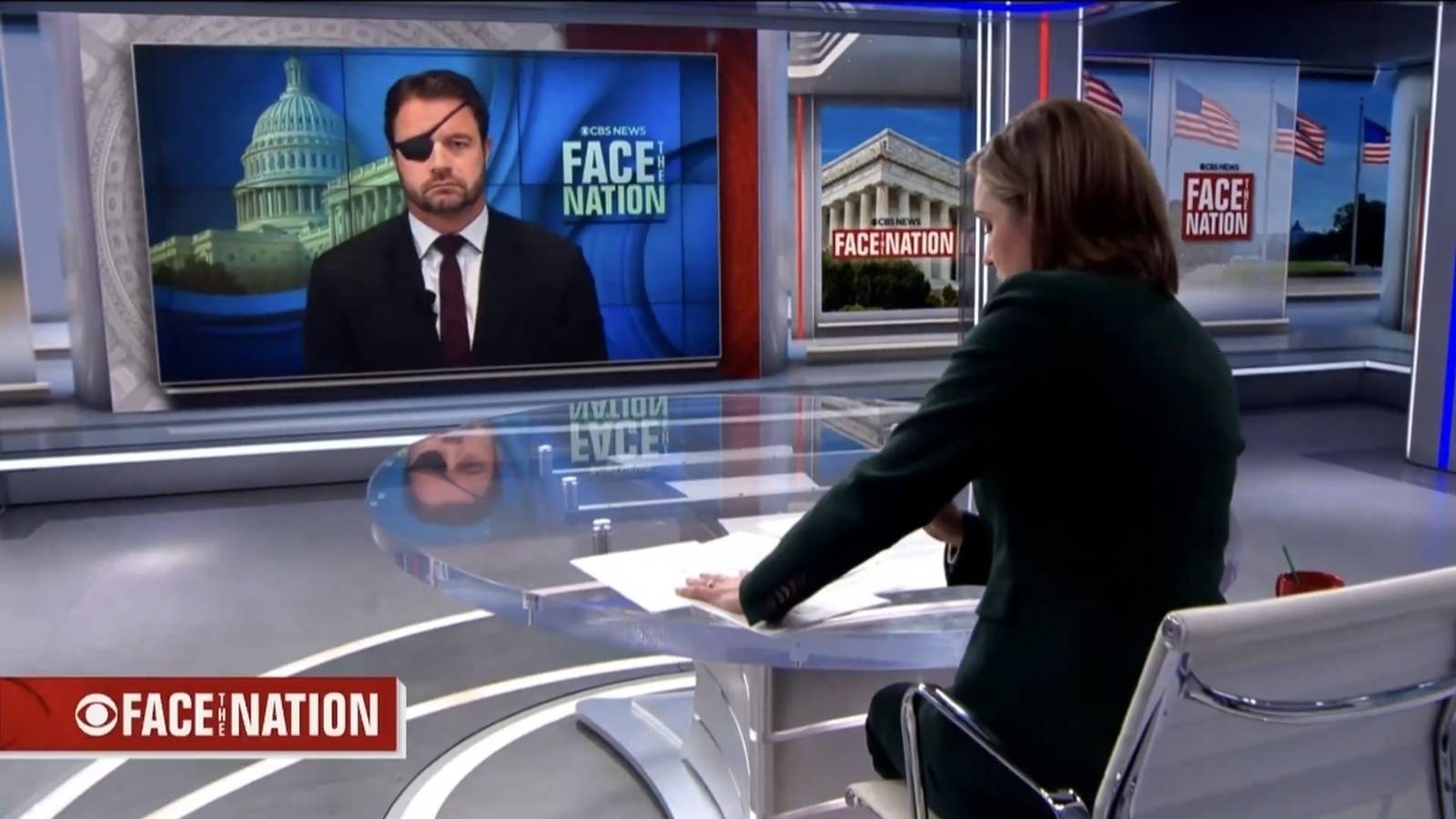
Crenshaw’s rebuke is not without context. The Texas congressman, a Navy SEAL veteran, has clashed with Carlson numerous times, especially on matters of foreign policy and national security. Over the years, Crenshaw has positioned himself as a moderate conservative, frequently challenging more extreme elements within the party. His comments on Face the Nation suggest not only disapproval of Carlson’s recent editorial choices but also a broader concern about the direction of conservative media.
“He’s changed a lot over the last 20 years,” Crenshaw noted, alluding to Carlson’s evolution from mainstream commentator to a figure often associated with controversial positions. While Crenshaw refrained from detailing the specifics of Carlson’s shift, his remarks reflect growing discomfort among Republicans who see the party’s media landscape tilting toward more radical voices.
The Broader Republican Reaction: Divisions and Unity
The response to Carlson’s interview with Fuentes has exposed fault lines within the Republican Party. Some, like Cruz and Crenshaw, have taken a clear stand against the normalization of extremist rhetoric. Others remain silent or offer only muted criticism, wary of alienating a segment of the conservative base that continues to support Carlson.
Crenshaw’s decision to amplify Cruz’s condemnation is notable. By aligning himself with Cruz, Crenshaw signals a willingness to confront uncomfortable truths about the party’s media alliances. The message is clear: there are boundaries that should not be crossed, even in pursuit of ratings or ideological purity. The episode also highlights the tension between free speech and responsible platforming—a debate that shows no sign of abating.
Media Accountability and the Politics of Platforming
The controversy surrounding Carlson’s interview is, at its core, a reflection of the complex relationship between media figures and political actors. Carlson’s influence, once tethered to the reach of Fox News, now extends through digital platforms and social media, making his editorial decisions all the more consequential.
For Crenshaw and Cruz, the issue goes beyond the specific content of the Fuentes interview. It touches on the responsibility of public figures to avoid legitimizing hate speech and Holocaust denial. In a political climate increasingly defined by polarization, their statements stand as a reminder that some lines remain inviolable, regardless of party loyalty or personal history.
Looking Ahead: Implications for Conservative Discourse
The immediate aftermath of Crenshaw’s statement has seen renewed debate over the future of conservative media. Will Carlson’s critics within the GOP grow bolder, or will the controversy fade as the news cycle moves on? For now, the answer is uncertain. What is clear, however, is that the boundaries of acceptable political discourse are being tested—and leaders like Crenshaw are refusing to stay silent.
Observers note that this episode could mark a turning point in the party’s approach to media accountability. As more Republicans confront the consequences of platforming extremist voices, the stakes for the party’s public image and internal cohesion continue to rise.
Conclusion: A Moment of Reckoning
Dan Crenshaw’s endorsement of Ted Cruz’s criticism is more than a political gesture; it is a call for introspection within the Republican Party. The controversy over Tucker Carlson’s interview with Nick Fuentes has opened a window into the challenges facing conservative leaders as they navigate the intersection of media, politics, and public responsibility.
As the dust settles, the question remains: will this moment spur a broader reckoning with extremism in American political discourse, or will it be remembered as just another flare-up in the ongoing culture wars? Only time will tell, but for now, Crenshaw’s voice adds weight to the argument that some principles must remain non-negotiable.
Crenshaw’s public alignment with Cruz against Carlson signals an emerging willingness among mainstream Republicans to challenge the party’s more radical media influences. While the future of this intra-party debate remains uncertain, the episode demonstrates the growing importance of ethical boundaries in shaping the conservative narrative.