
Quick Read
- Danielle Collins has transitioned to a high-profile analyst role at the Tennis Channel while on hiatus from professional play.
- The former Miami Open champion is utilizing an unfiltered media style that leans into her established on-court reputation and rivalries.
- Her recent public commentary on tour events indicates a strategic shift toward a post-career identity centered on transparency and narrative engagement.
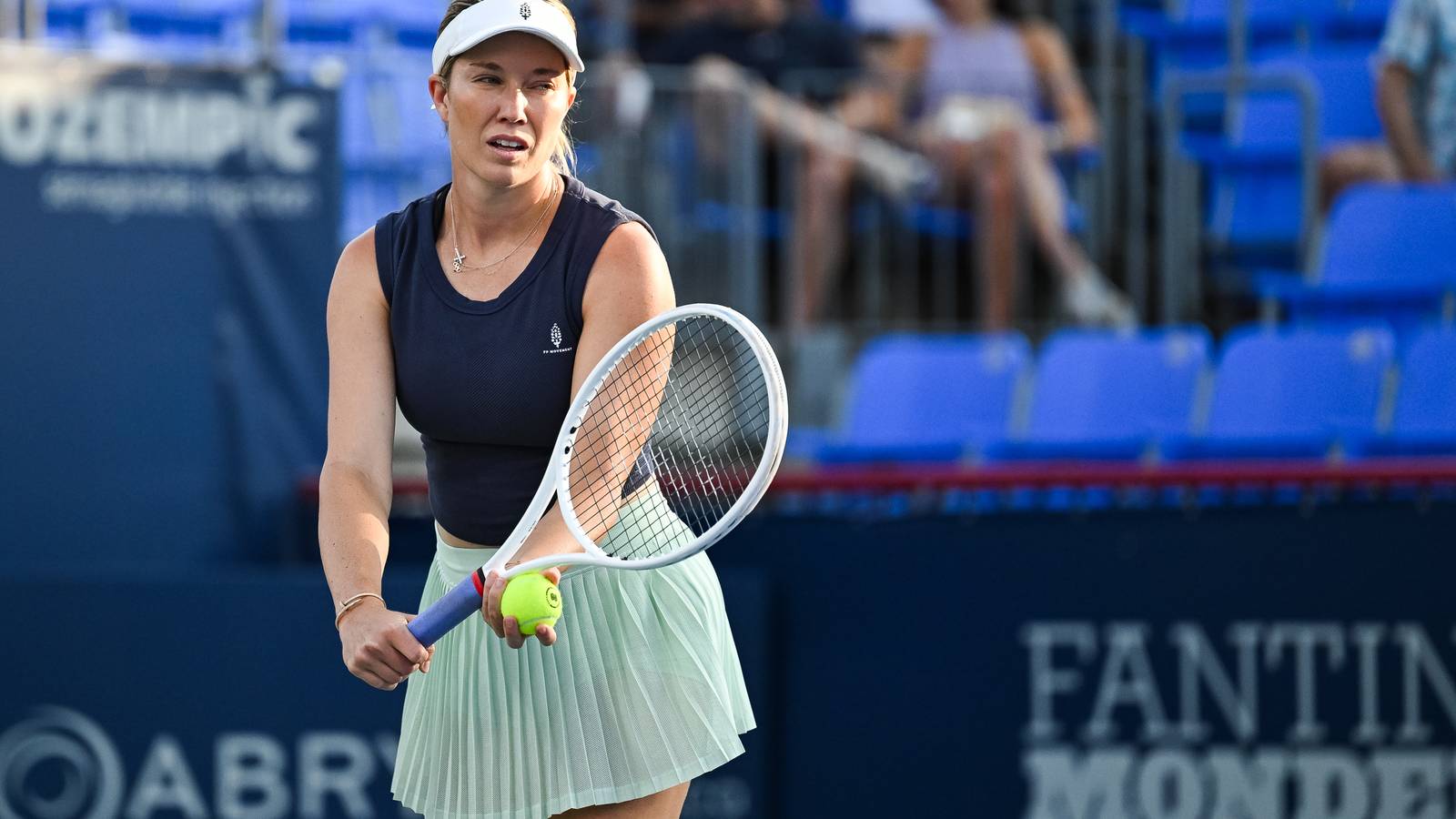
MIAMI (Azat TV) – Danielle Collins has transitioned from the intensity of the WTA Tour to the broadcast booth with the same uncompromising transparency that defined her decade-long professional career. During her coverage of the 2026 Miami Open for the Tennis Channel, the former champion captivated audiences by recounting an unconventional locker room incident from her 2024 title run, signaling a shift toward a more public, unfiltered media persona.
The ‘Danielle Collins Effect’ in Broadcasting
The incident, involving her dog Quincy during the 2024 Miami Open, has become a lightning rod for discussions regarding the evolution of retired or sidelined athletes in media roles. Collins recounted that her dog, while in the locker room after hours, singled out the locker of a rival player she openly dislikes. While the anecdote provided a moment of levity, it underscored the same competitive spirit that earned her the nickname “Danimal” on the court.
This willingness to share behind-the-scenes realities—even at the risk of appearing unprofessional to some—marks a distinct departure from the traditional, polished athlete-turned-analyst model. As Collins navigates a period of absence from professional play due to a back injury and personal health goals, her media contributions have become a primary outlet for her continued engagement with the sport.
Balancing Athletic Legacy with Media Transparency
Collins’ tenure at the Tennis Channel has been described by some critics as a “mixed blessing,” as her tendency to maintain long-standing on-court rivalries through her commentary creates friction that is rarely seen among network veterans. However, supporters argue this transparency is exactly what modern sports broadcasting requires to maintain audience interest. Her analysis of current tour players, such as her recent assessment of Joao Fonseca’s power and movement, demonstrates a high level of technical proficiency that complements her more personal, narrative-driven segments.
The Path Forward for the Former Champion
While Collins has not officially retired from professional tennis, her current focus remains on physical rehabilitation and fertility-related procedures. Her presence at the Miami Open, the site of one of her most significant career victories, highlights her ongoing commitment to the tennis ecosystem. By leaning into her reputation as one of the tour’s most outspoken figures, Collins is effectively building a post-career identity that prioritizes authenticity over the conventional expectations of sports media.
The strategic pivot by Collins suggests that the future of athlete-led broadcasting lies in the abandonment of the neutral observer archetype in favor of individuals who bring their personal histories and existing rivalries directly into the commentary, thereby creating a more polarized, yet highly engaged, viewing experience.