
Quick Read
- Daria Kasatkina achieved back-to-back wins at the Qatar TotalEnergies Open for the first time since August.
- She attributes her renewed form to inspiration from watching the Winter Olympic Games in Milan.
- Kasatkina will face world No. 2 Iga Swiatek in the Round of 16 in Doha.
- Her 2026 season started with struggles, including a first-round exit at the Australian Open.
- Kasatkina, a Russian-born player, now represents Australia.
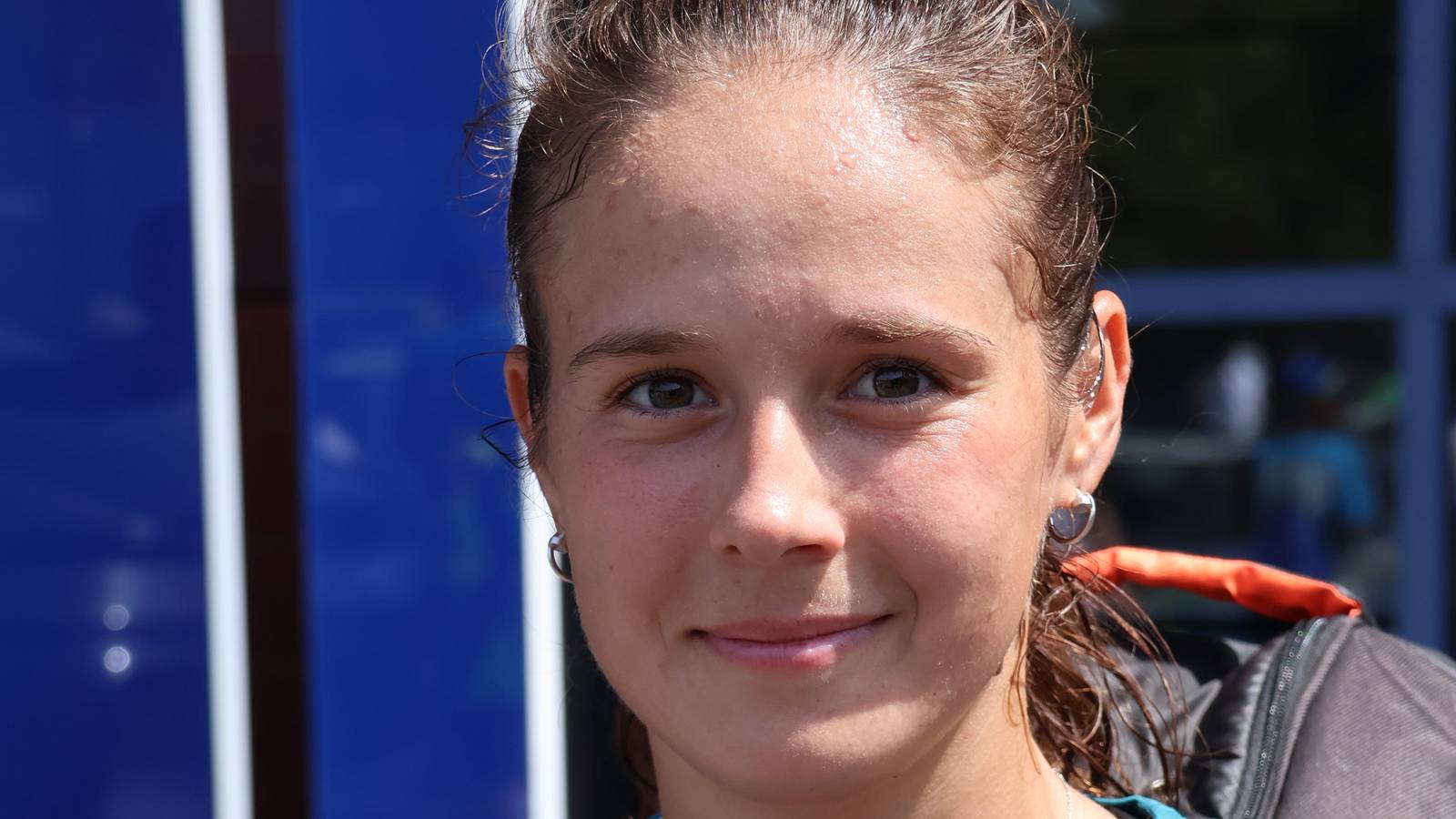
DOHA (Azat TV) – Russian-born Australian tennis player Daria Kasatkina has rediscovered her competitive rhythm at the Qatar TotalEnergies Open in Doha, securing back-to-back match victories for the first time since August. This notable turnaround comes as Kasatkina, once ranked world No. 8, openly credits the ongoing Winter Olympic Games in Milan for providing a unique source of inspiration and helping her navigate a challenging start to the 2026 season.
The 28-year-old, who adapted the Australian flag for her representation, has made significant strides in Doha, advancing to the Round of 16. Her recent form marks a stark contrast to her performance earlier in the year, where she struggled during her first Down Under swing as an Australian representative, winning only one match across three tournaments and exiting the Australian Open in the first round. Kasatkina had described her earlier struggles as a ‘continuous feeling of how I’ve felt for the last season, for the last year,’ according to Tennis.com.
Kasatkina’s Doha Performance and Upcoming Challenge
Kasatkina’s journey in Doha has been a testament to her renewed focus. Having won consecutive matches, she is now set to face a formidable opponent in the Round of 16: world No. 2 Iga Swiatek. The match, scheduled for Wednesday, February 11, presents a significant challenge for Kasatkina, currently ranked No. 61. Betting odds from BetMGM Sportsbook heavily favor Swiatek at -2500, giving her a 96.2% implied probability of winning, while Kasatkina stands at +900.
Despite the steep odds, Kasatkina’s performance metrics on hard courts over the past year indicate areas for improvement. She has registered a 6-13 record on hard courts, with a 55.1% winning percentage in service games and a 41.3% winning percentage in return games. Her ability to convert break points, at 45.9%, ranks 75th among her peers. This current tournament, however, offers a fresh start and an opportunity to build momentum against top-tier competition.
Winter Olympic Inspiration Fuels Comeback
Central to Kasatkina’s resurgence is her engagement with the Winter Olympics. From her hotel room in Doha, she has been closely following the events in Milan, particularly figure skating, a sport with personal significance due to her longtime girlfriend, former Olympian Natalia Zabiiako. ‘Obviously, I’m watching figure skating. That’s pretty obvious,’ Kasatkina stated to Tennis.com. Beyond figure skating, she watches various other disciplines, including curling and skiing, embracing the diverse spectacle of the Games.
This external source of inspiration appears to have provided Kasatkina with a mental refresh, helping her to overcome the pressures and frustrations that plagued her earlier in the season. The ability to mentally detach and find joy in another competitive arena seems to have translated into a more relaxed and effective approach on the tennis court.
Navigating the Transition to Australian Representation
The 2026 season marked Kasatkina’s first full year representing Australia, a transition that came after a career-best ranking of world No. 8. While she insisted she didn’t feel ‘very nervous or extra pressure during the Aussie swing,’ the change in representation and the subsequent early exits from tournaments, including the Australian Open, clearly impacted her performance. Her current run in Doha, supported by a renewed mental state, indicates a potential turning point in adapting to her new national identity in the professional tennis circuit.
Daria Kasatkina’s ability to compartmentalize her professional challenges and draw positive energy from external events like the Winter Olympics highlights the multifaceted nature of athlete well-being and performance. Her current form in Doha suggests that psychological rejuvenation, even from seemingly unrelated sources, can be a potent catalyst for a competitive turnaround.