
Quick Read
- Dave Chappelle headlined the controversial Riyadh Comedy Festival in Saudi Arabia.
- Performers reportedly earned up to $1.6 million but faced censorship rules.
- Chappelle claimed it was ‘easier to talk’ in Saudi Arabia than America.
- Comedians and activists criticized the event as ‘white-washing’ repression.
- Saudi Arabia maintains strict controls over free speech; critics see the festival as a PR move.
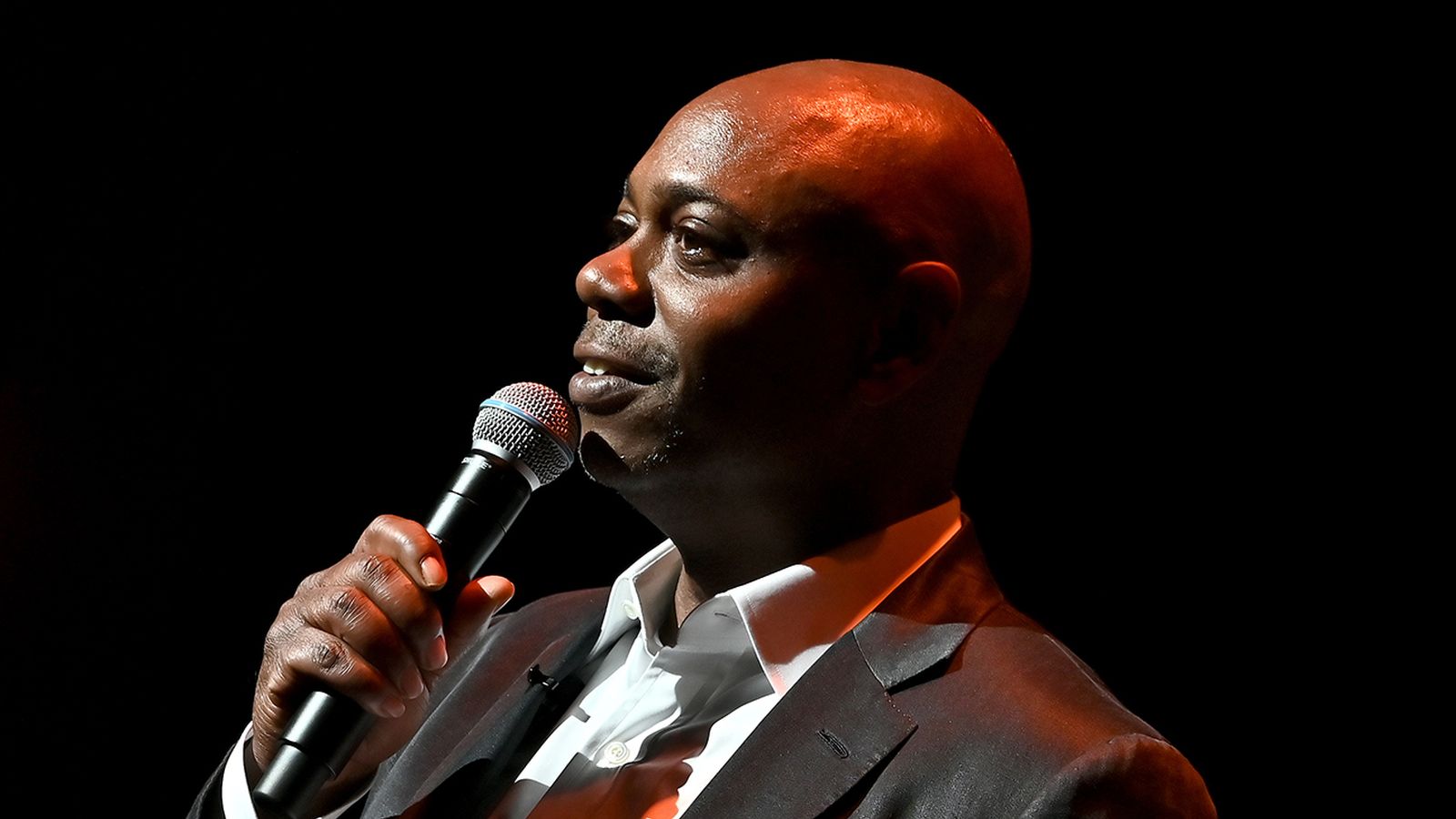
Dave Chappelle Headlines Saudi Comedy Festival Amid Controversy
When Dave Chappelle stepped onto the stage at the inaugural Riyadh Comedy Festival in Saudi Arabia, the room was already charged with tension. For weeks, the festival—a lavish, state-sponsored event—had drawn criticism from inside and outside the comedy world. The guest list was a who’s who of stand-up: Pete Davidson, Bill Burr, Aziz Ansari, Kevin Hart, and more. But it was Chappelle’s presence—and what he said—that would send ripples far beyond the kingdom’s borders.
Comedy Meets Censorship: The Rules Behind the Curtain
Performers at the two-week festival reportedly received between $350,000 and $1.6 million for their sets. Yet these payouts came with strings attached. Contracts, according to comedians like Atsuko Okatsuka and Tim Dillon, strictly prohibited jokes that could “defame” Saudi Arabia, its royal family, legal system, government, or religion. The organizers—Saudi Arabia’s General Entertainment Authority—said the festival was part of their “Vision 2030” plan to showcase cultural openness and diversify the economy. But for many, the event looked less like progress and more like a carefully curated spectacle meant to polish the kingdom’s global image.
Michael Page, deputy director of the Middle East division at Human Rights Watch, called the festival a “textbook definition of white-washing,” arguing that comedians known for championing free speech were self-censoring in exchange for lucrative deals. The backdrop to these accusations is grim: Saudi Arabia’s record on free speech is among the world’s harshest. In 2022, a Saudi student was sentenced to 34 years in prison for retweeting activists. Journalists, dissidents, and even casual critics have faced imprisonment or worse.
Chappelle’s Onstage Statement: A Paradox Unveiled
Chappelle, famous for his sharp takes on cancel culture and the limits of expression, chose a bold moment to address the issue. Performing before 6,000 in Riyadh, he said, “It’s easier to talk here than it is in America.” The remark landed with a thud and a gasp. He elaborated, referencing the American climate of cancellation: “Right now in America, they say that if you talk about Charlie Kirk, that you’ll get canceled.” He joked, tested boundaries, and then confessed his own anxiety about returning home and facing repercussions.
To many, Chappelle’s words seemed deeply ironic, given Saudi Arabia’s notorious crackdown on dissent. The New York Times reported that his comments struck a nerve—was he, knowingly or not, echoing the government’s narrative of newfound openness, or was he poking at the contradictions of both American and Saudi societies?
Other comedians weighed in. Marc Maron, who was not invited to perform, lambasted peers for “selling out,” referencing the murder of journalist Jamal Khashoggi as evidence of the regime’s brutality. Zach Woods, of “The Office,” delivered a sardonic rebuke on social media, “Name one comedian who hasn’t whored themselves out to a dictator.” Shane Gillis turned down an offer, calling his decision a “principled stand.” Tim Dillon, originally on the lineup, was reportedly dropped after joking about forced labor on his podcast.
The Dilemma: Art, Integrity, and Financial Temptation
Why did so many comedians accept the invitation? For some, the answer was simple: the money was too good to pass up. Nimesh Patel, who backed out after Jimmy Kimmel’s show was censored in the U.S., joked that he’d replace the lost income by performing 40 extra shows in America. Atsuko Okatsuka posted screenshots of her contract, highlighting the festival’s censorship requirements. She noted the irony that many “you can’t say anything anymore!” comedians were now agreeing to strict rules about what not to say.
On the other side, Bill Burr described the experience as “mind-blowing” and suggested on his podcast that cultural exchange could spark positive change. Still, the tension between artistic freedom and state control hung over every performance.
Saudi Arabia’s General Entertainment Authority described the festival as “the largest of its kind globally,” aiming to amplify Riyadh’s status as a hub for culture and arts. But organizations like Human Rights Watch and many international observers saw a different story: an effort to distract from ongoing repression, including the detention of activists and the silencing of dissent.
Global Backlash and the Future of Comedy Diplomacy
As the festival drew to a close, the debate raged on. Critics argued that the event was little more than “comedy washing”—using entertainment to mask human rights abuses. Supporters pointed to the value of dialogue and the potential for comedians to challenge norms, even in restrictive environments. But the real question lingered: Can comedy thrive where free speech is tightly controlled, and does participation legitimize censorship?
For Dave Chappelle, the experience appeared as both an opportunity and a risk. His remarks highlighted the uncomfortable truth that freedom of expression is under threat in more places than one. Whether his set in Riyadh will be remembered as a moment of candor or complicity remains a matter for ongoing debate.
The Riyadh Comedy Festival, with Dave Chappelle at its center, has become a litmus test for how far entertainers will go—and what they’re willing to sacrifice—in the name of global exposure and financial reward. It’s a story that exposes not just the limits of free speech abroad, but the difficult choices artists face in a world where integrity and opportunity often collide.