
Quick Read
- David Bowie passed away on January 10, 2016, a decade ago.
- Bowie’s final words to best friend Gary Oldman were “f*** off” during a frustrating video call.
- He informed Oldman of his liver cancer diagnosis via email with dark humor, stating, “the good news is I got my cheekbones back.”
- Bowie handled his illness with “dignity, grace and humour.”
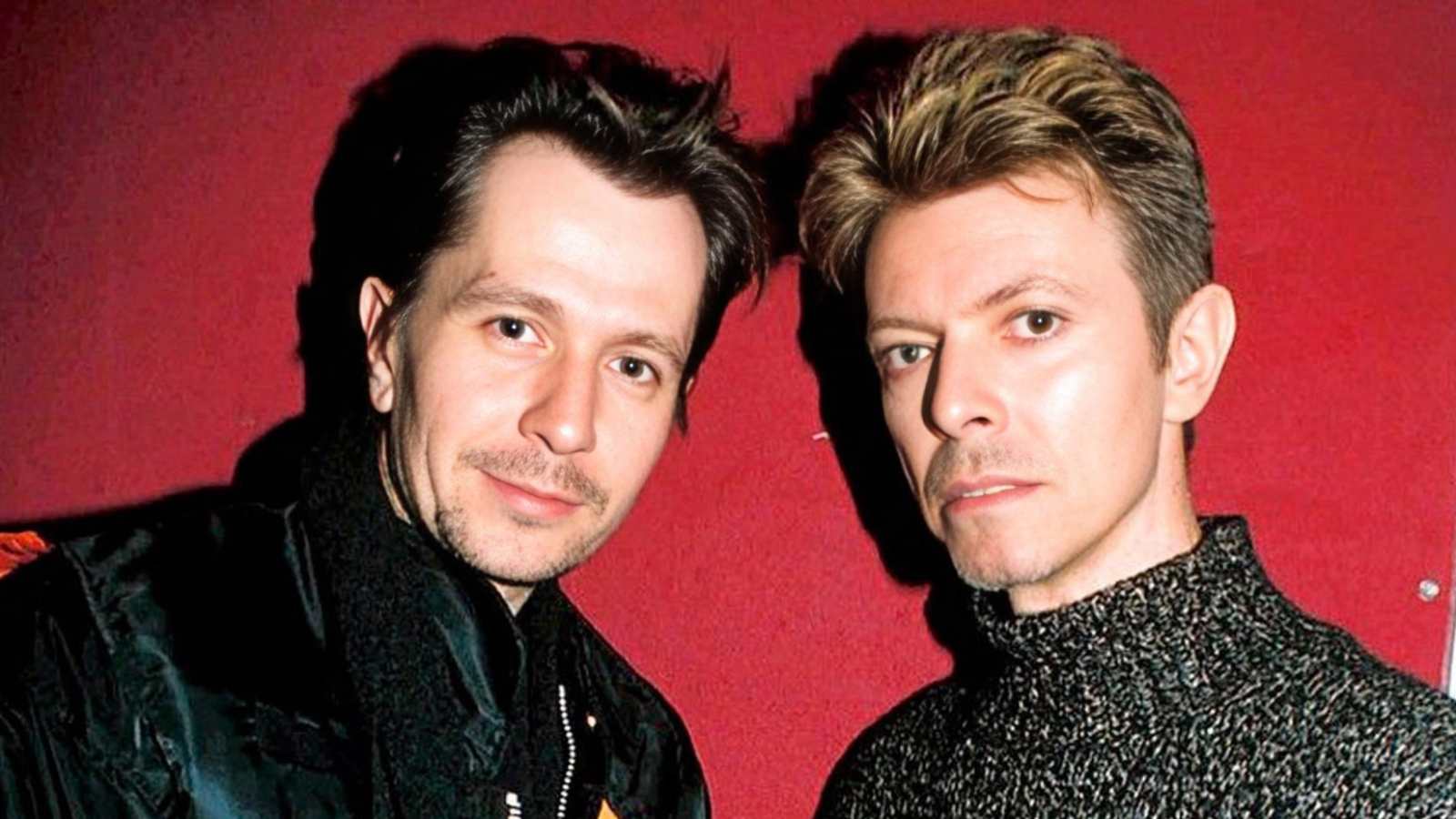
- Oldman, a long-time fan, met Bowie backstage at a play, with their bond deepening over years.
A decade has passed since the world bid farewell to an irreplaceable musical icon, David Bowie, on January 10, 2016. Yet, his unique spirit, his irreverent wit, and his profound humanity continue to resonate, especially through the memories of those closest to him. Among them is acclaimed actor Gary Oldman, a friend and fellow legend, who recently shared poignant insights into their bond, including Bowie’s surprisingly candid and utterly characteristic final words.
Oldman’s reflections offer a rare glimpse into the private world of a global superstar facing his mortality with an extraordinary blend of dignity, grace, and an unwavering sense of humor. It’s a testament to a friendship forged not in the glare of celebrity, but in mutual respect, shared laughter, and a deep understanding of life’s inherent absurdities.
A Rock Star’s Unconventional Farewell
In the days leading up to his death from liver cancer, David Bowie spent his final moments in New York, maintaining a Sunday ritual that spoke volumes about his enduring friendships. He would regularly connect with Gary Oldman via Skype, offering updates on his health battle. These video calls became a vital lifeline, a consistent thread of normalcy in an otherwise tumultuous period.
Oldman recounted their very last conversation, an exchange that, while devoid of grand pronouncements, perfectly encapsulated Bowie’s unique charm. As the call drew to a close, Bowie, struggling with the technology, found himself unable to disconnect. Oldman described the scene: “We were Skyping and you know when you want to disconnect with someone, sometimes you try and disconnect and you can’t and they keep coming back.” Bowie, pressing the button repeatedly, initially said, “Alright, talk to you next week” or something similar. But as the technological frustration mounted, his patience wore thin. Oldman recalled that Bowie finally exclaimed, “Go away, go away.” And then, with a flourish of his inimitable rock-star persona, he delivered his final, unforgettable words: “f*** off,” as reported by The Telegraph.
This wasn’t a profound philosophical statement or a tearful goodbye. Instead, it was a moment of raw, authentic humanity, a flash of irritation mixed with a playful irreverence that Oldman found “so wonderfully David.” It underscored that even a legend battling a terminal illness could be utterly relatable, grappling with the everyday frustrations of technology, and doing so with a characteristic blend of humor and bluntness. It’s a memory that, for Oldman, perfectly captures the man behind the myth, a friend who remained true to himself until the very end.
Humor in the Face of the Inevitable
Bowie’s approach to his cancer diagnosis was as unique as his artistry. Oldman revealed that the “Starman” singer handled his illness with “dignity, grace and humour.” This was vividly demonstrated in how Bowie chose to inform his close friend of the devastating news. Instead of a somber phone call, he sent an email, framing it in a way only David Bowie could.
The actor explained the exchange: “I’ve got some good news, I’ve got some bad news,” Bowie wrote. “the bad news is I’ve got the big C’. And underneath he wrote, ‘The good news is I got my cheekbones back,’ which I thought was just really dark and really sweet and funny of him.” This darkly humorous revelation speaks volumes about Bowie’s coping mechanism, using his sharp wit as both a shield and a bridge to connect with his friends, even when conveying the most devastating of news. It highlights the depth of their bond, where such irreverent humor was not only accepted but cherished, a shared language that transcended the gravity of the situation.
This ability to find levity in the face of despair is a testament to Bowie’s extraordinary character. It allowed him to maintain a sense of control and individuality, even as his body failed him. For Oldman, it was a poignant reminder of the strength and resilience that defined his friend, a man who consistently defied expectations and embraced life with a unique blend of artistry and authenticity.
From Fan to Confidant: The Unfolding of a Legendary Friendship
Before they became the closest of friends, Gary Oldman, a cinematic legend himself with iconic portrayals like Winston Churchill and Sid Vicious, was a long-time admirer of David Bowie. Their paths initially crossed backstage at a theatrical production. However, it wasn’t until years later that the full magnitude of his friendship with the legendary rock star truly dawned on him.
Oldman recalled a particularly vivid moment during an appearance on The Drew Barrymore Show. The famous pair were holidaying on a yacht near Mustique, a setting that sounds plucked from a dream. Before heading off the boat to explore the town and go for dinner, Oldman walked through the vessel and stumbled upon an intimate, almost surreal scene. There was Bowie, barefoot, dressed casually in shorts, strumming his guitar and softly singing “Space Oddity.” Bowie looked up at Oldman and, with typical understatement, said he was “just messing about.”
It was in that fleeting, unguarded moment that Oldman experienced a profound realization. “You’re David Bowie,” he remembered thinking to himself. Even after years of companionship, the rock legend’s mystique remained utterly captivating. This narrative arc, from distant admiration to intimate confidant, adds another layer of depth to their friendship. It illustrates that even for those who achieve immense success, meeting and befriending their idols can be a surreal, deeply impactful experience. It humanizes both figures, revealing the genuine connection that lay beneath their public personas, a bond built on shared experiences and an enduring mutual respect.
David Bowie’s final words to Gary Oldman, far from being a grand philosophical statement, were a raw, humorous, and deeply personal expression of his authentic self. They underscore not just the unique character of David Bowie, but also the profound, unpretentious bond he shared with Gary Oldman, a friendship that allowed for vulnerability and irreverence even in life’s most serious moments. It’s a powerful reminder that true connection transcends celebrity, finding its strength in shared laughter and genuine human interaction, a legacy as enduring as Bowie’s music itself.