
Quick Read
- David Hockney’s Serpentine exhibition features 100 digital iPad sketches and new oil paintings.
- The show critiques abstraction while celebrating figurative and emotional art.
- Previously unseen letters and early digital artworks by Hockney will be auctioned in April.
- Hockney’s correspondence reveals nostalgia for traditional art amid modern shifts.
- The exhibition and auction highlight Hockney’s impact on defining ‘modern’ art.
LONDON (Azat TV) – British artist David Hockney is currently at the center of renewed discussion about the role of abstraction in contemporary art with the opening of his major exhibition at the Serpentine Galleries in London. At 88, Hockney’s latest show presents a vivid panorama of his 2020 digital sketches alongside a series of new oil paintings that both pay tribute to and critique abstraction, underlining his complex relationship with modern art trends. This moment is further marked by the upcoming auction of previously unseen letters and artworks that shed new light on his creative process and personal views.
David Hockney’s Serpentine Exhibition Highlights Digital Innovation and Traditional Critique
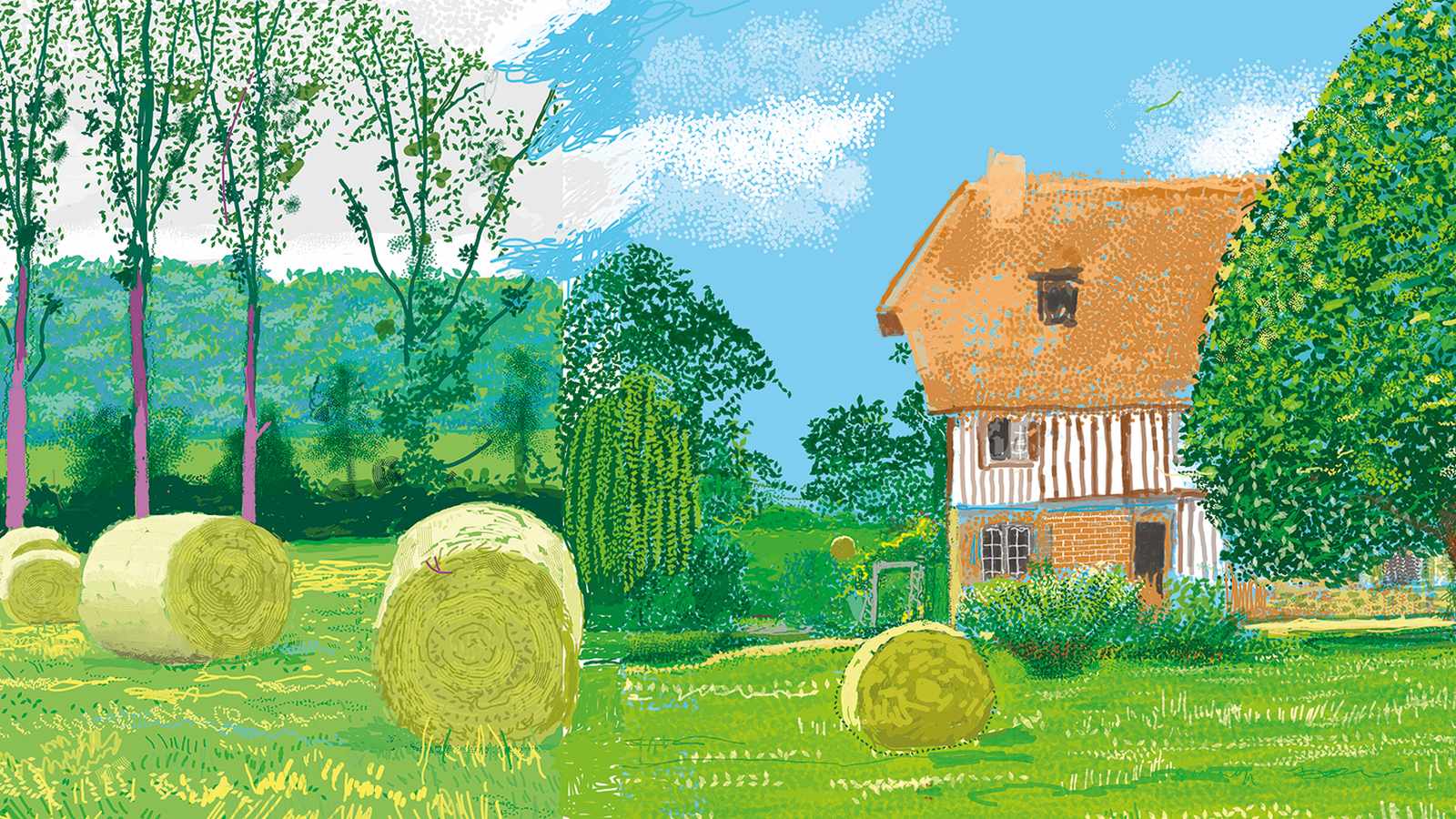
The Serpentine North Gallery is hosting an expansive exhibition featuring around 100 iPad sketches Hockney created in his Normandy garden during 2020. These digital works form a 90-meter frieze that captures the changing seasons with a keen eye for nature’s essence and light. The artist’s use of technology here is a direct challenge to skeptics who once questioned the legitimacy of digital art. Hockney’s application of the iPad as a creative tool is not merely novelty; it represents an evolution of pastoral tradition through modern media.
Within the same exhibition, Hockney also confronts abstraction head-on. Ten new oil paintings include witty references to famous abstract styles, presented almost as a feast for the eyes on a bright checked tablecloth. However, these are juxtaposed with deeply personal portraits of his nephew, partner, and carer. This duality illustrates Hockney’s skepticism toward abstraction as a dominant mode, favoring instead a more figurative and emotive approach that connects with human experience.
Newly Discovered Letters Reveal Hockney’s Views on Art and the Past
Simultaneously, a cache of previously unknown letters and artworks by Hockney has emerged and will be auctioned in Derbyshire on April 1. Among these is an early rare digital piece created on an Apple Macintosh and intimate correspondence with art critic Véra Russell. The letters reveal Hockney’s nostalgic longing for “the old times” and his frustrations with contemporary cultural shifts. This discovery adds a personal dimension to his public critique of abstraction and highlights the tensions between tradition and innovation that have marked his career.
The collection also includes correspondence from other 20th-century luminaries such as Pablo Picasso, Henry Moore, and Francis Bacon, situating Hockney within a broader artistic dialogue. Experts estimate that some of these works could fetch over £20,000, signaling strong market interest not only in Hockney’s art but also in his historical and cultural significance.
Hockney’s Influence on the Contemporary Art Market and Definition of Modern Art
Hockney’s Serpentine show and the auction of his unseen letters arrive at a time when the contemporary art market is grappling with the question of what constitutes ‘modern’ art. His work challenges the prevailing dominance of abstraction by reasserting the value of figuration, narrative, and emotional resonance. Moreover, his embrace of digital media demonstrates that innovation need not forsake tradition but can extend it.
Critics and collectors alike are watching closely as Hockney’s blend of skepticism and experimentation reshapes conversations about art’s direction. His ability to merge new technology with classic themes provides a template for artists navigating a rapidly evolving landscape. As the exhibition continues through August and the auction approaches, Hockney’s legacy as both a traditionalist and a pioneer remains a defining feature of 21st-century art discourse.
David Hockney’s latest works and the discovery of his personal correspondence reveal a nuanced stance toward abstraction and technology. His Serpentine exhibition highlights that innovation in art can coexist with a deep respect for tradition, challenging the binary often drawn between digital progress and classical aesthetics.