
Quick Read
- Google DeepMind CEO Demis Hassabis predicts artificial general intelligence (AGI) could emerge within 5–10 years.
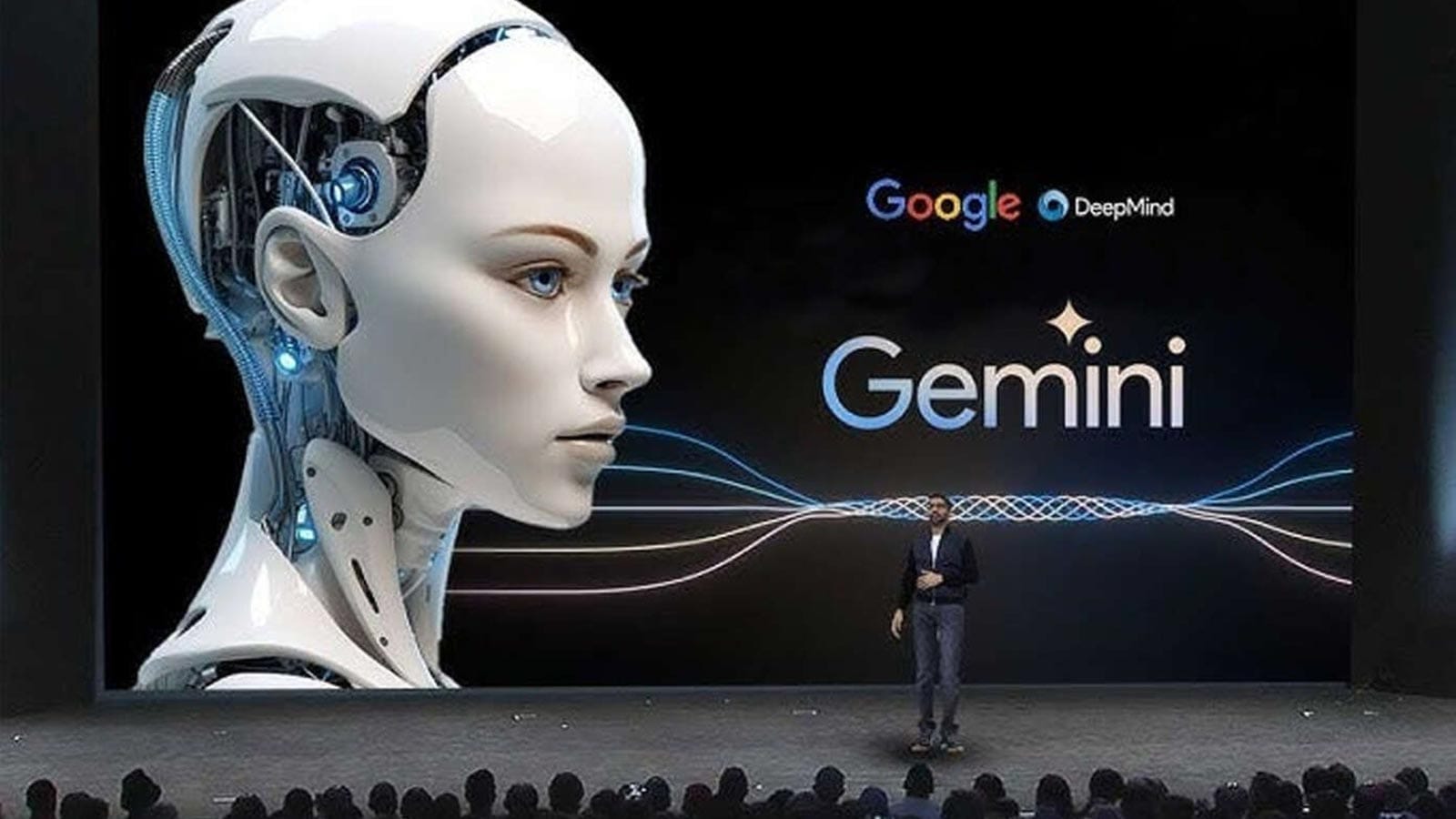
- DeepMind’s Project Gemini aims to create AI capable of nuanced understanding and real-world actions.
- Hassabis emphasizes the need for AI safety measures and ethical frameworks.
- Self-awareness in AI is not yet a reality but remains a distant possibility.
- AI advancements could revolutionize fields like drug development and robotics.
Artificial General Intelligence: A 5–10 Year Horizon
Demis Hassabis, CEO of Google DeepMind, has made a bold prediction: artificial general intelligence (AGI)—AI with human-level cognitive abilities—could be achieved within the next five to ten years. Speaking in a recent interview, Hassabis described the rapid progress in AI development as being on an ‘exponential curve,’ driven by increased attention, resources, and talent in the field.
AGI represents the next frontier in artificial intelligence, where machines can not only perform tasks but also reason, learn, and adapt across a wide range of domains. Hassabis envisions AGI as a transformative tool that could deeply integrate into daily life, solving complex problems and advancing human knowledge.
Project Gemini: DeepMind’s Next Big Leap
At the heart of DeepMind’s efforts is Project Gemini, an ambitious initiative to create AI systems capable of interacting with the world in meaningful ways. Unlike earlier AI models, Gemini aims to go beyond passive analysis to active engagement, such as booking tickets, shopping online, and even interpreting visual and auditory inputs.
One example of this vision is Astra, an AI companion developed by DeepMind. Astra has demonstrated the ability to identify artworks, interpret emotions in paintings, and even create fictional narratives based on visual prompts. These capabilities highlight the potential for AI systems to understand and interact with the world in increasingly sophisticated ways.
AI and the Question of Self-Awareness
Despite these advancements, Hassabis is clear that current AI systems are not self-aware. While the idea of AI consciousness is often discussed, Hassabis believes it is not an immediate goal. Instead, he advocates for focusing on creating intelligent tools that can aid in scientific discovery and understanding the human brain.
“My advice would be to build intelligent tools first and then use them to help us advance neuroscience before we cross the threshold of thinking about things like self-awareness,” Hassabis said. He also pointed out that current AI models, while powerful, are limited to synthesizing existing human knowledge and lack the ability to generate novel hypotheses or creative ideas.
Applications in Drug Development and Robotics
One of the most promising applications of AI lies in the field of drug development. Hassabis highlighted how AI could drastically reduce the time and cost required to develop new drugs. For instance, DeepMind’s AlphaFold model has already revolutionized protein structure prediction, mapping 200 million proteins in just one year—a task that would have taken years using traditional methods.
Beyond healthcare, robotics is another area poised for breakthroughs. Hassabis envisions AI-powered robots capable of understanding their environment, reasoning through instructions, and performing useful tasks. These advancements could lead to the development of humanoid robots and other automated systems that seamlessly integrate into human life.
Ethical and Safety Considerations
As AI technology advances, Hassabis underscores the importance of implementing safety measures and ethical guidelines. He expressed concerns about the potential misuse of AI by bad actors and the need for international coordination to establish guardrails. “AI systems can also be taught morality,” Hassabis noted, emphasizing the importance of instilling value systems and ethical frameworks into AI models.
Hassabis also warned against prioritizing speed over safety in the race for AI dominance. He called for collaboration among leading companies and governments to ensure that AI development remains aligned with human values and societal needs.
Looking to the future, Hassabis remains optimistic about the transformative potential of AI. He believes that advancements in AI could lead to “radical abundance,” eliminating scarcity and addressing global challenges such as disease and resource distribution. However, he also acknowledges the duality of AI systems, which can both empower and pose risks to humanity.
As DeepMind continues to push the boundaries of AI, the journey toward AGI and beyond will require careful navigation of ethical, technical, and societal challenges. For now, the focus remains on harnessing AI as a tool for advancing human knowledge and improving lives.