
Quick Read
- Zohran Mamdani won New York’s mayoral race, defeating both Republican and independent rivals.
- His victory is seen as a strong rejection of Trump’s divisive politics and a win for multiculturalism.
- Democrats also won mayoral races in Dearborn and Buffalo, signaling a national shift.
- Trump’s attacks focused on Mamdani’s identity, but voters favored inclusivity.
- Progressive policies may pose challenges for security and resource management ahead of midterms.
Democratic Sweep in New York: The Heart of the Referendum
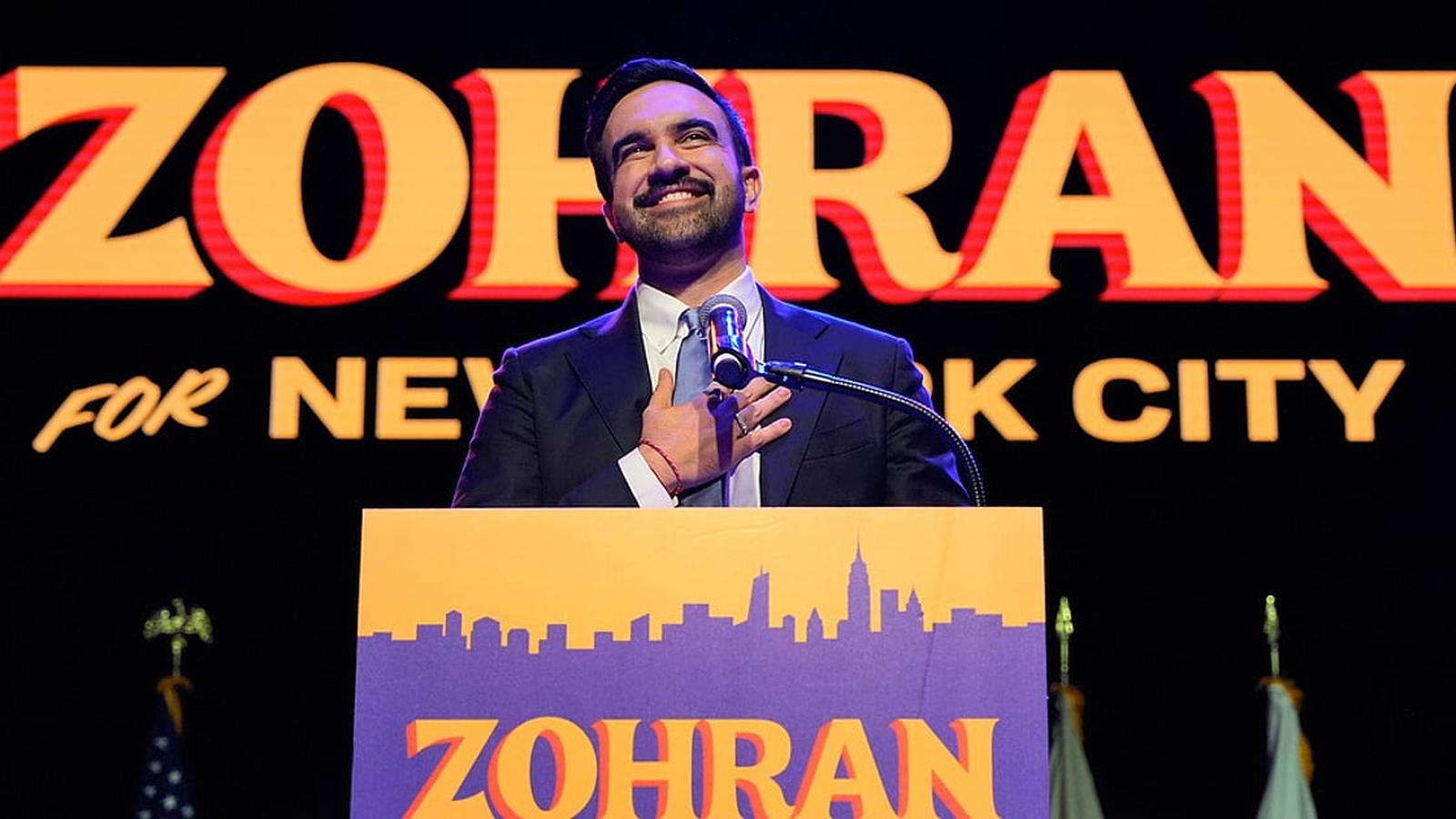
On a brisk November night, the streets of New York City shimmered under neon lights, but beneath the spectacle, something fundamental had shifted. Zohran Kwame Mamdani, a 34-year-old democratic socialist, emerged victorious as the city’s second-youngest mayor. His win wasn’t just historic because of his age or his multicultural heritage—born to Indian filmmaker Mira Nair and Ugandan academic Mahmood Mamdani—it was a declaration against the political movement that had defined American discourse for nearly a decade: Trumpism.
Mamdani’s campaign, which drew 50.4 percent of the vote, didn’t merely defeat his opponents—former Governor Andrew Cuomo, running as an independent, and Republican Curtis Sliwa—it represented a forceful rejection of Donald Trump’s brand of politics in the very city where Trump built his empire and cultivated his image. The outcome, reported by AP and analyzed by New Indian Express, was a vivid referendum on the legacy of Trump’s divisive rhetoric and exclusionary policies.
Trump’s Grip Weakens: The National Pulse
Trump’s political ascent in 2016 was marked by promises of walls, tax cuts, and protectionism—policies that often amplified social divides. His approach thrived on polarization, weaponizing identity and stoking anxieties about the ‘other’. But as Mamdani celebrated his win with confetti and Bollywood music, it became clear that the tides were turning. Less than a year into Trump’s second term, his approval ratings are sinking, and the cracks in his support base are widening into chasms.
Mamdani’s victory is part of a broader trend: Democratic wins in key cities like Dearborn, Michigan, where Abdullah Hammoud, a Lebanese-American Muslim, was reelected mayor, and Buffalo, New York, where India Walton claimed the mayoralty. These wins are not isolated—they signal a deep, urban repudiation of Trump’s politics, echoing across the nation’s most diverse communities.
A Clash of Identities and Ideals
The New York mayoral race became a battleground not just of policy, but of identity. Trump, true to form, launched personal attacks on Mamdani’s heritage, labeling him a “self-professed Jew hater” and questioning his loyalty due to his Muslim roots. These statements, broadcast on Truth Social, sought to rally Trump’s base by painting Mamdani as the embodiment of ‘radical left identity politics’—a familiar Trumpian tactic.
But Mamdani countered with eloquence and a celebration of his interfaith, biracial background, framing his win as a testament to the pluralism Trump allegedly feared. At campaign rallies, Mamdani invoked Jawaharlal Nehru’s vision of unity, quoting the famous “Tryst with destiny” speech to call for a city where all backgrounds—Hindu, Muslim, Jew, Christian, atheist—could coexist. His campaign wasn’t just political; it was cultural, weaving in the vibrancy of Bollywood and the resilience of immigrant communities. This approach mobilized South Asian, Muslim, and progressive voters, transforming identity from a point of attack into a source of strength.
The Broader Democratic Resurgence—and Its Risks
While the victories in New York, Dearborn, and Buffalo have energized the Democratic base, they have also exposed the vulnerabilities of Trump’s grip on the Republican Party. With key governorships and mayoralties shifting blue—such as Abigail Spanberger’s win in Virginia and Mikie Sherrill’s in New Jersey—the momentum is unmistakable. The Democrats are framing every policy debate as a fight against Trump’s ‘autocratic individualism’, turning local races into national statements.
Yet, beneath the celebration, there are warning signs. Mamdani’s progressive agenda, which includes expansive support for undocumented immigrants and ambitious welfare initiatives, could strain city and national resources. Critics argue that these policies risk undermining border security and public trust, potentially handing Trump ammunition for future campaigns. The specter of unchecked immigration and ballooning social expenditures looms large, especially as midterm elections approach.
Urban Resistance and National Implications
Mamdani’s commitment to making New York a ‘sanctuary city’ directly challenges Trump’s federal policies on deportation and economic management. This local resistance, if sustained, could erode Trump’s leverage in national and international arenas. Major urban centers in revolt weaken his negotiating position with global powers, as allies abroad interpret these electoral setbacks as signs of diminishing authority.
The domestic consequences are equally significant. Trump’s influence within the Republican Party is under strain, with dissenting voices growing louder. The opposition, emboldened by urban victories, is poised to escalate its challenge, potentially reshaping the landscape ahead of the 2026 midterms. If Democrats can maintain this momentum and balance their progressive ideals with fiscal responsibility and security concerns, a congressional flip may be within reach.
The Road Ahead: Unity or Fragmentation?
The fall of Trumpism in America’s cities is both a celebration of diversity and a cautionary tale. Mamdani’s win is a reminder that autocratic individualism, where one leader’s ego shapes policy, cannot withstand the collective will of a pluralistic society. But the victors must tread carefully. Overzealous pursuit of leftist policies could fracture the very unity they seek to preserve, creating new divisions even as old ones heal.
As the golden towers of Trump’s legacy stand increasingly isolated, the real power lies in the quiet, persistent chorus of voices demanding representation, dignity, and inclusion. The challenge for Democrats now is to transform electoral victories into sustainable governance, bridging divides rather than deepening them. The era of Trump may not end with spectacle, but with a steady, determined shift—a referendum not just on a man, but on the ideals that will shape America’s future.
Assessment: Mamdani’s victory, alongside other Democratic successes, marks a profound shift away from Trump’s divisive politics. Yet, the road forward will test whether the new pluralistic vision can sustain both unity and pragmatic governance, especially as national divisions remain raw and midterm elections loom. Democrats must navigate these complexities to avoid repeating the polarization they seek to overcome.