
Quick Read
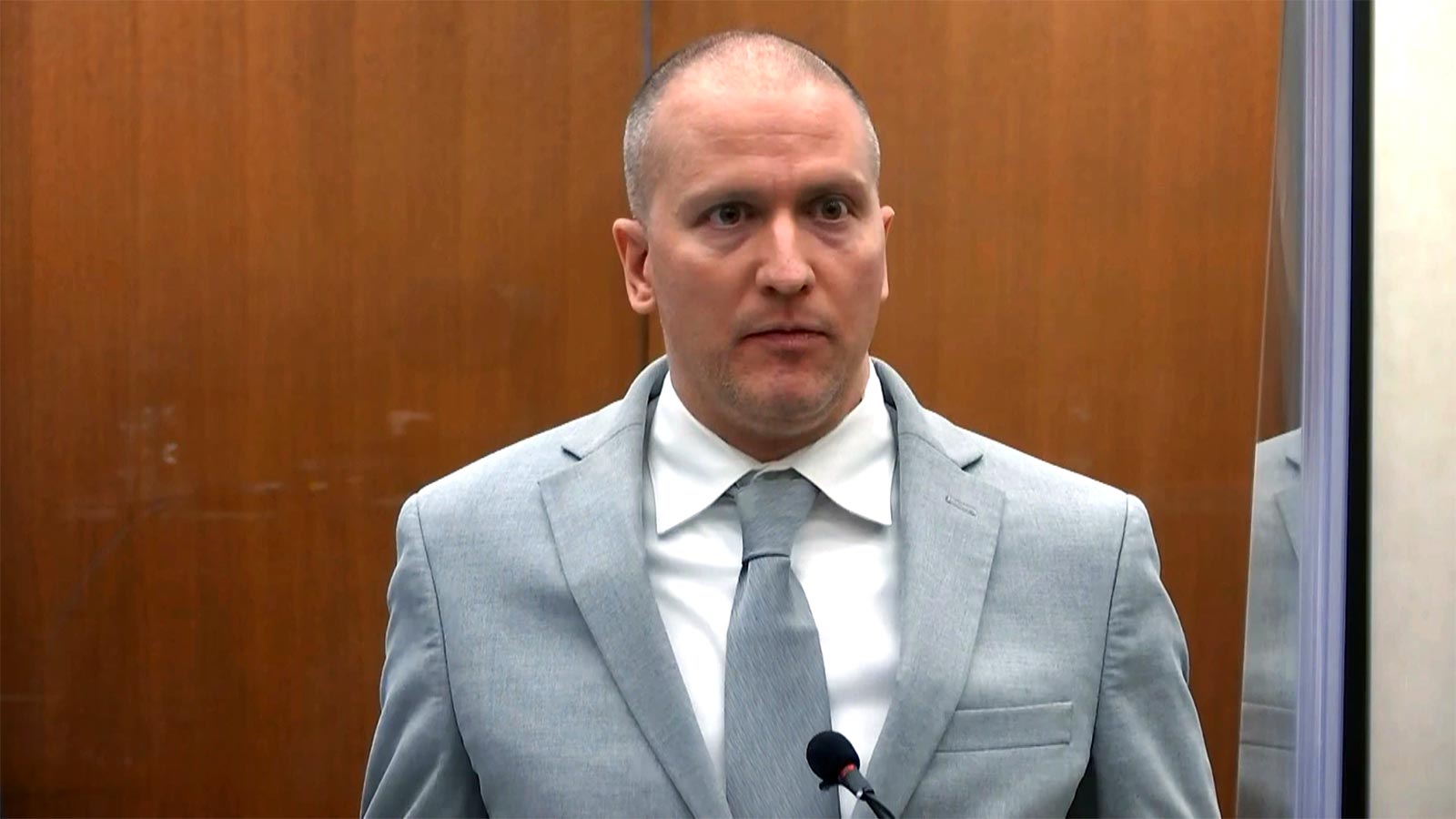
- Derek Chauvin, former Minneapolis police officer, has appealed his second-degree murder conviction in the George Floyd case.
- Chauvin’s legal team argues that trial errors compromised fairness, seeking a new trial.
- George Floyd’s death on May 25, 2020, sparked global protests and the Black Lives Matter movement.
- Legal experts suggest the appeal process could take considerable time, with significant implications for policing and justice.
- Updates on the appeal will be reported as the court reviews Chauvin’s claims.
Derek Chauvin Files Appeal: A New Chapter in the George Floyd Case
Derek Chauvin, the former Minneapolis police officer whose name became synonymous with the global reckoning on racial injustice, has filed an appeal challenging his second-degree murder conviction in the death of George Floyd. According to El-Balad, Chauvin’s legal team is seeking a new trial, arguing that prejudicial errors undermined the fairness of the original proceedings.
The Trial That Shook America
The death of George Floyd on May 25, 2020, was captured in a harrowing video showing Chauvin pressing his knee on Floyd’s neck for more than nine minutes. Floyd’s desperate pleas—“I can’t breathe”—echoed across the world, sparking protests in cities large and small. The video’s viral spread turned a local tragedy into a global movement, with Floyd’s name etched into the lexicon of social justice.
In April 2021, Chauvin was found guilty of second-degree murder, third-degree murder, and second-degree manslaughter. He was sentenced to more than 22 years in prison. The conviction was hailed by many as a landmark moment in the struggle for police accountability. Yet, the legal process did not end there.
Grounds for Appeal: What Chauvin’s Lawyers Claim
Chauvin’s appeal centers on claims that the original trial was marred by prejudicial errors. His attorneys argue that pervasive media coverage, public pressure, and alleged procedural missteps made it impossible to ensure a fair trial. These arguments are not unique to Chauvin’s case; high-profile trials often test the boundaries of impartiality in the justice system.
Legal experts note that while appeals on these grounds are not uncommon, overturning a conviction of this magnitude would require the court to find clear evidence of substantial errors affecting the verdict. The timeline for the appeal remains uncertain, and the outcome could have far-reaching implications—not only for Chauvin, but for the broader debate on how courts handle cases that grip the national consciousness.
The Enduring Impact of George Floyd’s Death
The killing of George Floyd sparked a wave of activism, pushing issues of racial justice and police reform to the forefront of American and international discourse. Demonstrators called for fundamental changes in policing, accountability, and the treatment of Black Americans by law enforcement. Floyd’s death became a rallying cry for the Black Lives Matter movement, inspiring legislation, corporate pledges, and conversations in classrooms and boardrooms alike.
Chauvin’s appeal serves as a stark reminder that the legal process is ongoing. For many, the original conviction was a measure of justice; for others, it was merely a step in a longer journey toward meaningful change. The appeal now forces the public—and the courts—to revisit questions that remain deeply divisive.
What Comes Next: Legal and Social Implications
As Chauvin’s appeal moves forward, the legal community is watching closely. The case is not only about one man’s fate, but about the system itself. Will the courts uphold the conviction, or will they find merit in the claims of unfair trial conditions? The answer could set precedents for future cases involving police misconduct and high-profile defendants.
Regardless of the outcome, the story of Derek Chauvin and George Floyd has already changed the conversation on justice in America. It has forced institutions to confront uncomfortable truths and compelled individuals to examine their own beliefs about race, authority, and the rule of law.
The appeal process is likely to be lengthy, with legal arguments and counterarguments unfolding over months, perhaps even years. In the meantime, the case continues to fuel debates about whether justice can truly be blind when the world is watching.
As Chauvin’s appeal proceeds, the tension between the promise of impartial justice and the realities of public opinion remains at the heart of the matter. The outcome will not only determine one man’s future, but will also serve as a measure of how far America has come—and how far it still has to go—in confronting the legacy of racial injustice and police violence.