
Quick Read
- Union Education Minister Dharmendra Pradhan has rejected isolated empowerment strategies, calling for a holistic approach rooted in historical and cultural identity.
- The Minister emphasized that colonial-era mentalities remain a primary obstacle to achieving full gender equality in India.
- The initiative aims to align social welfare and gender policy with a national goal of decolonization by 2035.
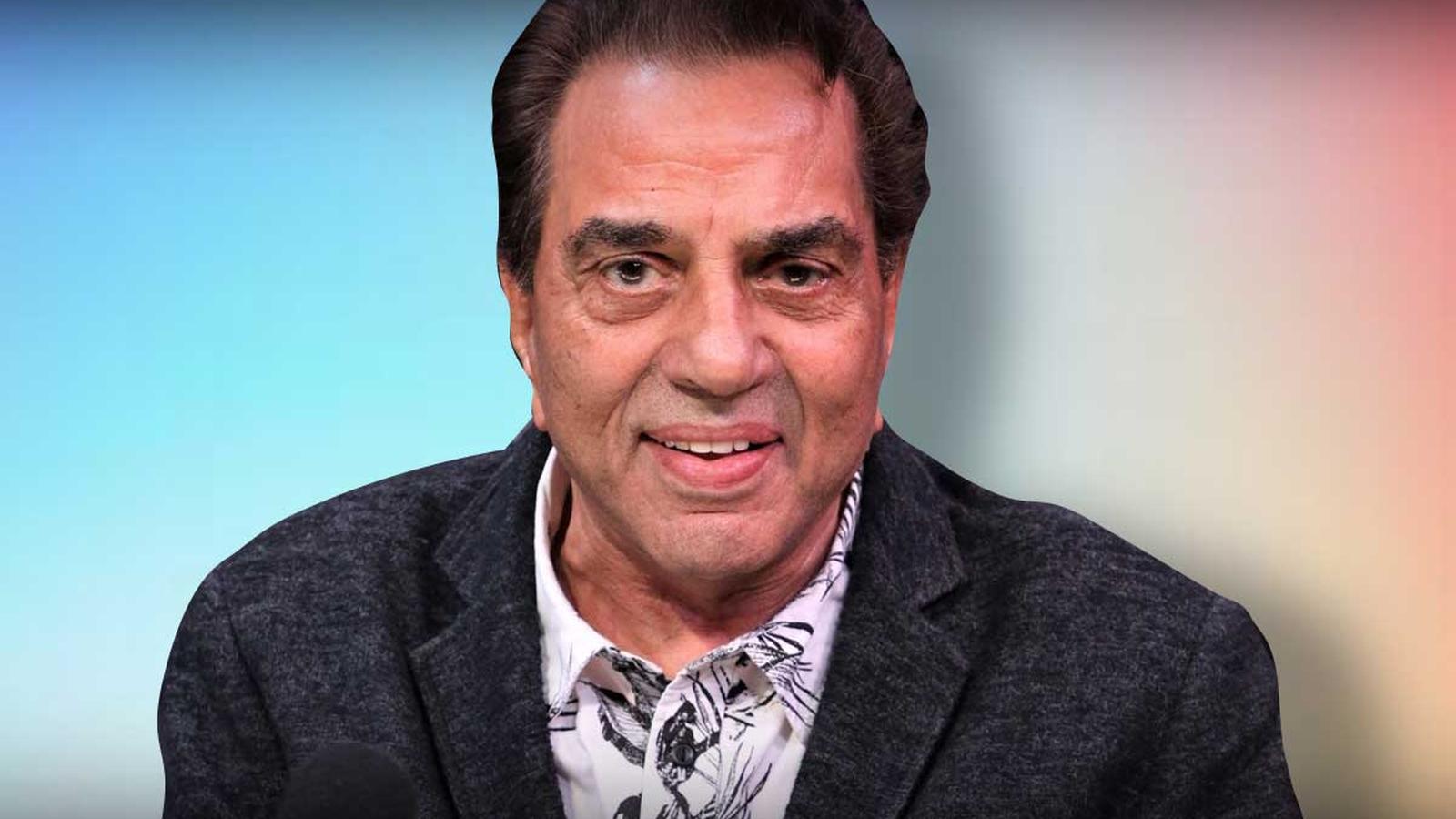
NEW DELHI (Azat TV) – Union Education Minister Dharmendra Pradhan has called for a fundamental shift in how the nation approaches women’s empowerment, urging policymakers and social organizations to abandon isolated solutions in favor of a comprehensive, culturally-rooted strategy. Speaking at the ‘Bharati Naari to Narayani’ convention organized by the Rashtriya Sevika Samiti, Pradhan emphasized that true progress requires a deep understanding of India’s historical and cultural identity.
Revisiting Cultural Identity in Empowerment
Pradhan identified the ‘Nari tu Narayani’ concept as a cornerstone for redefining the societal role of women. He argued that colonial-era mentalities have historically stifled the potential of women, creating barriers that persist in modern discourse. By aligning his message with broader national goals to shed colonial influences by 2035, the Minister stressed that empowerment must be holistic rather than performative.
Shifting from Outdated Gender Perspectives
The Minister’s remarks come at a time when states across India are marking International Women’s Day with renewed focus on economic and legislative support. While various regional initiatives are currently underway—ranging from employment drives in Uttar Pradesh to financial aid schemes in Punjab—Pradhan warned against viewing these as standalone fixes. He advocated for a systemic transition that integrates historical awareness with contemporary policy to foster genuine societal development.
The Path Toward National Progress
Pradhan’s call to action signals a pivot in the federal approach to social policy, prioritizing a long-term cultural framework over temporary interventions. By framing the empowerment of women as an essential component of national identity, the Minister is seeking to institutionalize change that transcends traditional political cycles.
The focus on cultural recontextualization suggests that the government is preparing to integrate historical identity into future social welfare legislation, potentially moving away from purely economic metrics to evaluate the success of women-led development programs.