
Quick Read
- DJI Mini 5 Pro features a 50MP Type 1 sensor and LiDAR technology.
- U.S. consumers face regulatory barriers, including potential bans.
The Pinnacle of Miniature Drone Innovation
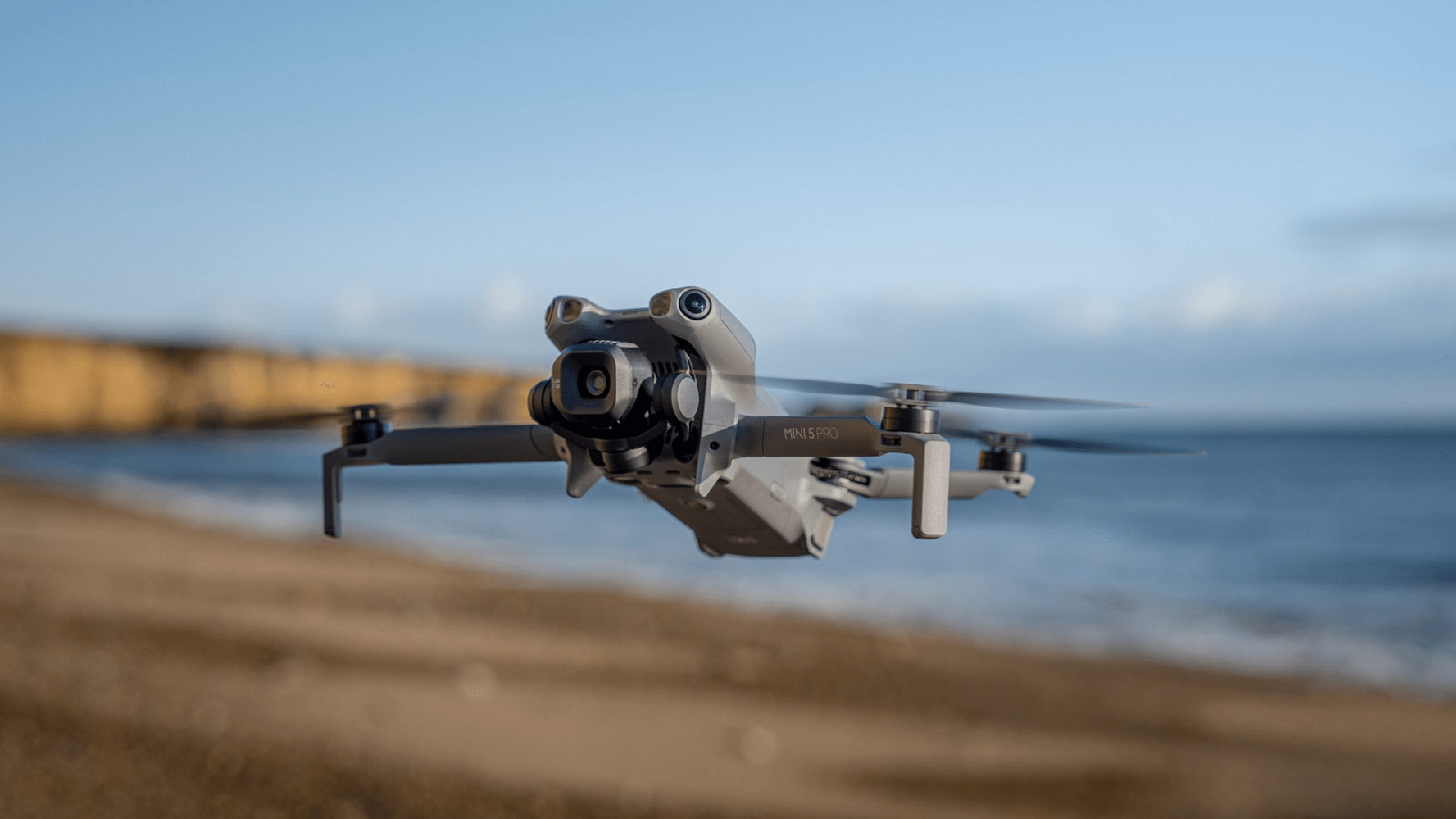
DJI has once again raised the bar in the world of compact drones with the release of the Mini 5 Pro. Weighing in at just 249 grams, this ultra-lightweight marvel is packed with features that would make even larger drones envious. From its Type 1 image sensor—65% larger than its predecessor—to its LiDAR-assisted obstacle avoidance system, the Mini 5 Pro is a testament to DJI’s engineering prowess. But for American drone enthusiasts, the excitement is bittersweet: the Mini 5 Pro won’t be hitting U.S. shelves anytime soon.
The drone debuted internationally on September 17, 2025, and immediately captured the attention of professional content creators. With its 50-megapixel camera capable of 4K60 HDR video, a 225-degree rotating gimbal for dynamic shots, and up to 52 minutes of flight time with an extended battery, it is designed to cater to both hobbyists and professionals alike. However, U.S. buyers are left with only third-party import options, thanks to a complex web of regulatory restrictions and national security concerns.
Why the Mini 5 Pro Isn’t Coming to the U.S.
The absence of the Mini 5 Pro in the U.S. market is not a simple case of corporate strategy—it’s deeply rooted in geopolitical tensions and regulatory scrutiny. DJI has been placed on the U.S. Entity List, a designation that stems from allegations of human rights violations and national security risks. The U.S. government accuses DJI of complicity in surveillance activities targeting China’s Uyghur population and has raised concerns about potential misuse of its technology. DJI has categorically denied these allegations, asserting that its manufacturing is localized in Shenzhen, far from the regions in question.
Adding to the challenges is the upcoming December 23, 2025, deadline for a comprehensive security audit mandated by the National Defense Authorization Act. If DJI’s products are deemed a security risk, they could be added to the FCC Covered List, effectively banning their sale in the U.S. While DJI has expressed willingness to cooperate with this review, progress on the audit appears stalled, leaving the company and its U.S. customers in limbo.
The Mini 5 Pro’s Revolutionary Features
Despite the geopolitical hurdles, the Mini 5 Pro stands as a beacon of technological advancement. Its Type 1 image sensor, a first for the Mini series, captures stunningly detailed 50-megapixel images and 4K HDR videos. The larger sensor improves low-light performance, dynamic range, and overall image quality, making it ideal for professional-grade content creation.
The drone’s gimbal system is equally impressive. With a 225-degree roll capability, it allows for cinematic shots that were previously impossible in consumer drones. Social media creators will particularly appreciate the true vertical shooting mode, optimized for platforms like TikTok and Instagram. Furthermore, the drone’s ActiveTrack 360 and enhanced LiDAR sensors ensure smooth and safe operation, even in challenging conditions like nighttime or low-light environments.
Battery life is another standout feature. The Mini 5 Pro offers 36 minutes of flight time with its standard battery and an extended 52 minutes with the optional Intelligent Flight Battery Plus. While the latter pushes the drone’s weight over the 249-gram threshold—requiring registration in most countries—it’s a trade-off many pilots are willing to make for the extra airtime.
The U.S. Market Fallout
The absence of the Mini 5 Pro from the U.S. market is more than just a disappointment for consumers—it’s a potential disruption to the entire drone industry. DJI dominates the global drone market, offering unmatched reliability, image quality, and feature sets. Alternatives like the Potensic Atom 2 or Insta360’s upcoming Antigravity A1 fail to meet the high standards set by DJI, particularly for professional applications in filmmaking, real estate, and agriculture.
Moreover, U.S. consumers attempting to import DJI products face additional hurdles. Customs and Border Protection (CBP) has reportedly detained shipments of DJI drones, citing their Entity List status. One notable example involved a Mavic 4 Pro held in customs for three months, illustrating the practical challenges of owning and maintaining DJI drones in the U.S.
The broader implications extend beyond individual consumers. A comprehensive ban on DJI could stifle innovation in the drone market, as competitors struggle to fill the void. DJI’s technological edge and economies of scale have set a high bar that few can match, leaving the U.S. market at a disadvantage in the rapidly evolving field of aerial imaging.
The DJI Mini 5 Pro represents a remarkable leap in drone technology, but its absence from the U.S. market underscores the complex interplay between innovation and regulation. As geopolitical tensions mount, the future of consumer drones in America hangs in the balance, with far-reaching implications for industries and enthusiasts alike.