
Quick Read
- The Department of Justice is appealing a judge’s decision to block subpoenas in the criminal probe of Fed Chair Jerome Powell.
- Senator Thom Tillis is holding up the confirmation of Trump’s Fed nominee, Kevin Warsh, until the Powell investigation is resolved.
- The legal challenges and political pressures raise significant questions about the Federal Reserve’s independence.
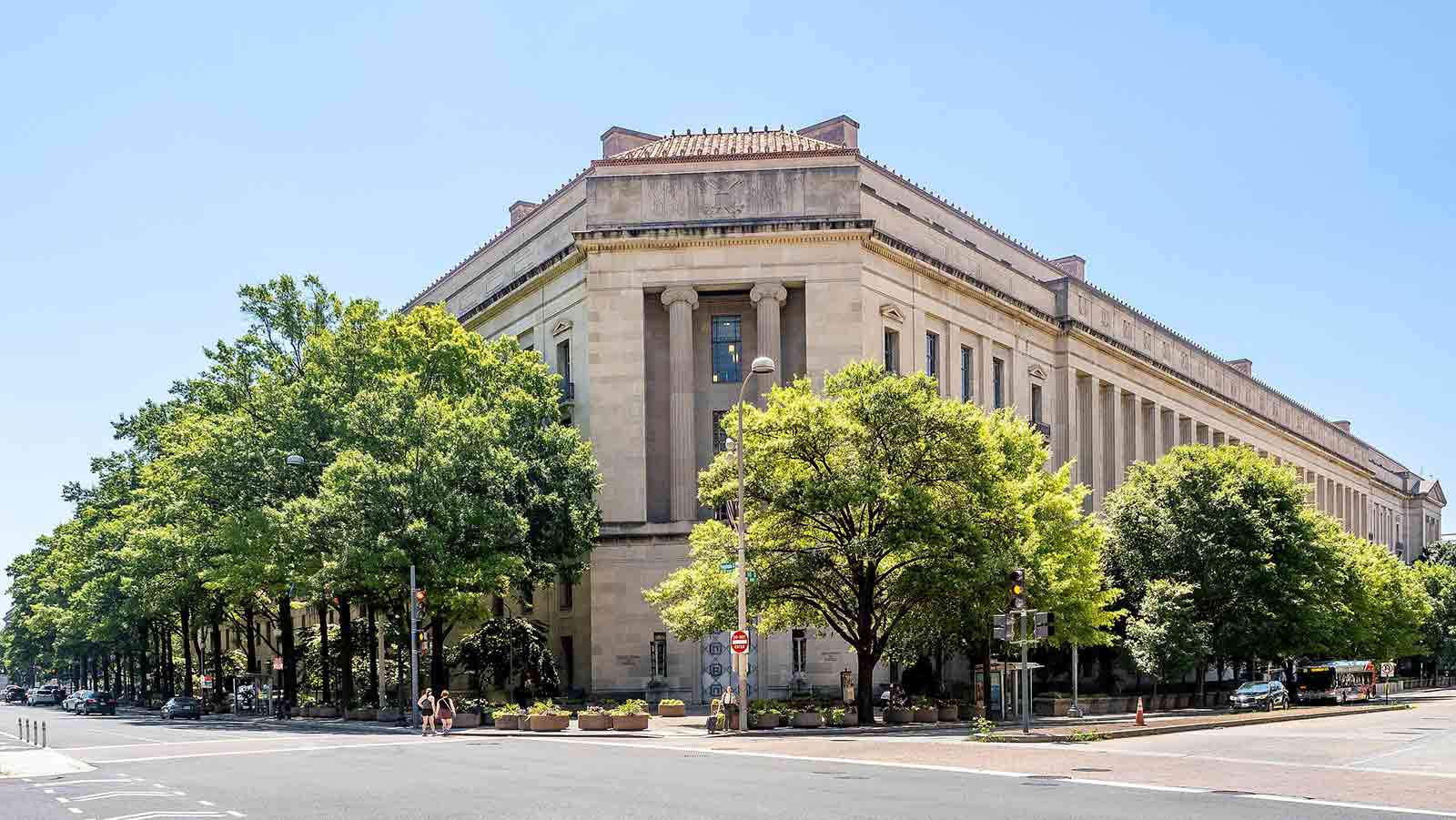
WASHINGTON D.C. (Azat TV) – The U.S. Department of Justice has announced it will appeal a judge’s ruling that blocked subpoenas related to the ongoing criminal investigation into Federal Reserve Chair Jerome Powell. The decision to appeal signals the DOJ’s intent to pursue its inquiry vigorously, potentially impacting the Fed’s independence and the confirmation process for new leadership.
DOJ Escalates Investigation into Fed Chair Powell
The Justice Department’s decision to appeal underscores the seriousness with which it is treating the criminal probe into Powell’s congressional testimony concerning the renovation of the Federal Reserve’s historic buildings. This investigation, confirmed by Powell on January 11, has cast a shadow over his tenure and created a significant roadblock for President Donald Trump’s nominee to lead the central bank, Kevin Warsh. Senator Thom Tillis, R-N.C., a member of the Senate Banking Committee, has explicitly stated his intention to block any Federal Reserve nominee until the Powell investigation is resolved, citing concerns about the Fed’s independence and the integrity of its leadership.
Warsh Nomination Faces Uncertainty Amidst Probe
Kevin Warsh, whom Trump nominated in January to succeed Powell, is slated to meet with Senator Tillis on Tuesday. Tillis expressed support for Warsh, calling him a “fan,” but reiterated that he cannot vote to advance the nomination until the Justice Department’s criminal probe involving Powell is concluded. Tillis’s hold on the nomination is particularly consequential due to his position on the Senate Banking Committee. Overriding such a hold would require a discharge vote on the Senate floor, a rare and difficult maneuver requiring 60 votes.
Broader Implications for Federal Reserve Independence
The escalating legal challenges surrounding Jerome Powell come at a critical juncture for the Federal Reserve. Beyond the Justice Department’s criminal investigation, the Supreme Court is reportedly considering limits on the Fed’s independence, and the institution faces mounting pressure to address rising cost-of-living expenses, a key challenge for President Trump’s economic agenda. Powell himself has described the DOJ investigation as “unprecedented” and linked it to broader pressures on the central bank. His unusually public response to the probe marked a departure from his typically measured approach, highlighting the intense scrutiny and potential threats to the Fed’s autonomy.
Powell, a seasoned figure with a background in law and investment banking, joined the Federal Reserve’s Board of Governors in 2012 and was appointed chair by Trump in 2017. Like Powell, Warsh is not an economist by training, bringing a background in law and finance to his potential leadership role. The ongoing legal battles and political pressures raise significant questions about the future stability and independence of the Federal Reserve as it navigates complex economic challenges.
The Justice Department’s aggressive pursuit of subpoenas, despite a judge’s block, suggests a determination to resolve the investigation into Fed Chair Powell’s testimony. This stance, coupled with Senator Tillis’s firm position, creates a complex and uncertain landscape for the confirmation of Kevin Warsh and raises fundamental questions about the perceived independence of the Federal Reserve.