
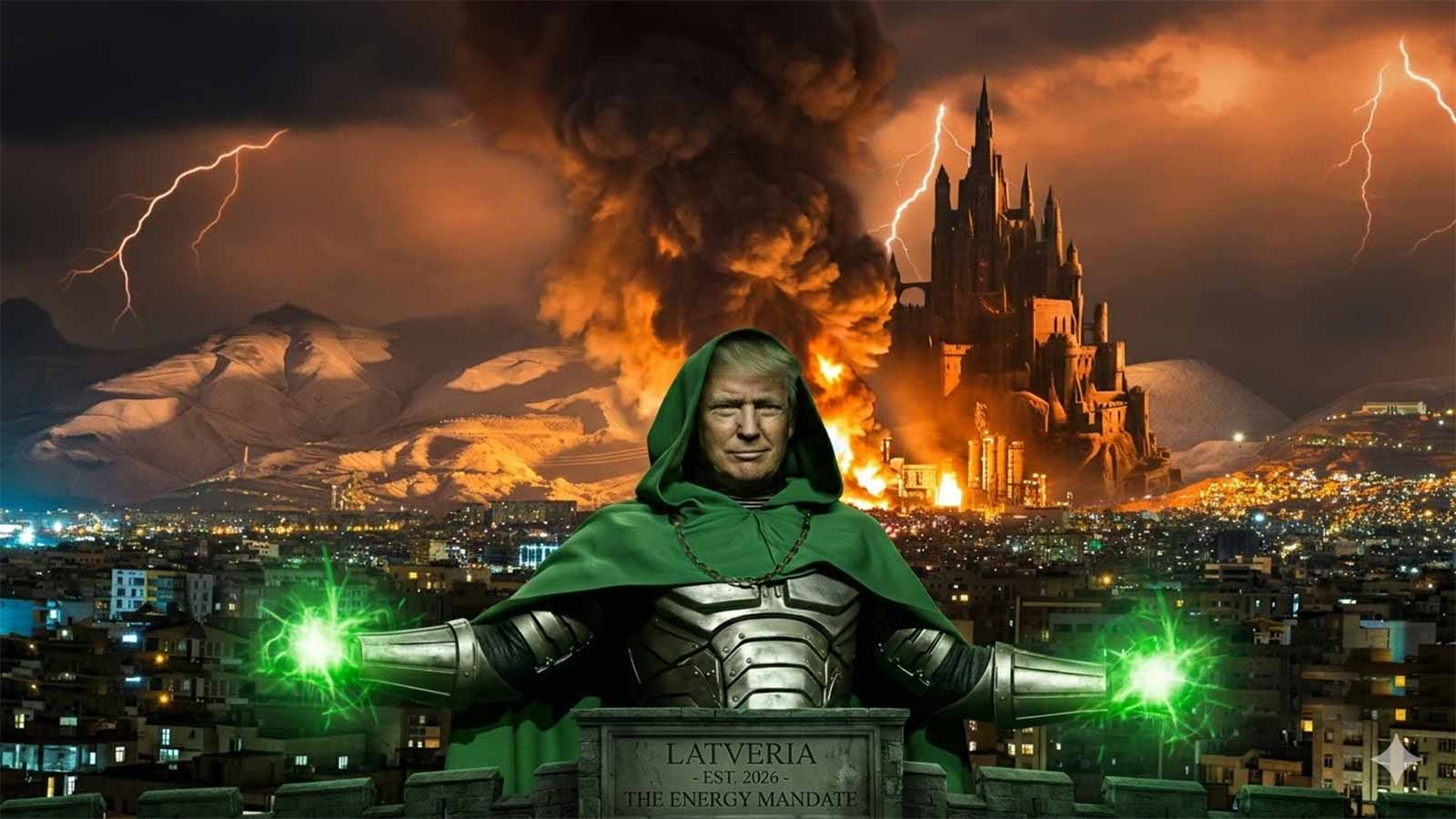
Quick Read
- Avengers: Doomsday will adopt a significantly darker, non-comedic tone, focusing on character trauma and high-stakes conflict.
- Iran has designated critical Middle Eastern energy infrastructure as direct targets following a strike on its primary natural-gas field.
- The concurrent timing of the Marvel blockbuster and the energy crisis highlights a 2026 landscape defined by high-stakes uncertainty.
The term ‘Doomsday’ has emerged as the defining motif of March 2026, anchoring both the most anticipated blockbuster in Hollywood history and a volatile shift in global geopolitical strategy. While moviegoers await a darker turn for the Marvel Cinematic Universe, policymakers are grappling with the reality of an ‘economic-doomsday’ option currently being wielded by Iran amid escalating regional conflict.
The Cinematic Shift: Robert Downey Jr. and the Darkest Avengers
Marvel Studios has officially confirmed that Avengers: Doomsday is positioned to be the most somber crossover in the franchise’s history. Directed by Joe and Anthony Russo, the film features the return of Robert Downey Jr., this time stepping into the role of Victor von Doom. Reports from industry insiders suggest a significant tonal departure from the light-hearted banter that defined previous Avengers installments, drawing stylistic parallels to the recent Thunderbolts*, which received critical acclaim for its exploration of character trauma and mental health.
Scheduled for a December 18, 2026, release, the film is expected to feature high-stakes, world-ending battles. Speculation continues to mount regarding the fate of legacy characters, with rumors suggesting that the Time Variance Authority and long-standing figures like Loki may face definitive ends. By pivoting away from traditional comedic tropes, Marvel is signaling a strategic effort to capture a more mature audience segment as it navigates the complex landscape of Phase 6.
The Geopolitical Reality: Iran’s Economic Leverage
While Hollywood prepares its fictional catastrophe, a tangible crisis is unfolding in the Persian Gulf. Following an Israeli airstrike on Iran’s primary natural-gas field—the first direct targeting of the nation’s energy production since the conflict began—President Masoud Pezeshkian warned of uncontrollable consequences that could engulf the world. This escalation has effectively transformed the region’s energy infrastructure into a theater of war.
The threat is no longer limited to the closure of the Strait of Hormuz, which already caused the largest supply disruption in global oil history. Iran has signaled that it now considers critical oil-and-gas infrastructure throughout the Middle East as legitimate targets, including the Ras Laffan complex in Qatar, which accounts for 20 percent of global liquefied natural gas exports. President Donald Trump’s administration is currently working to contain the fallout, but the potential for a lasting, global energy shortage remains the primary concern for international markets.
The Intersection of Risks
The convergence of these events highlights a year defined by uncertainty. Whether through the lens of a blockbuster franchise or the cold calculus of state-level economic warfare, the concept of ‘Doomsday’ has become the central narrative. As Marvel looks to secure its future with high-stakes storytelling, the global economy is simultaneously testing the limits of its own durability against a backdrop of direct energy infrastructure attacks.
The synchronization of these two ‘Doomsday’ narratives—one a calculated artistic pivot for Marvel to reclaim box office dominance, and the other a desperate, high-stakes geopolitical gambit—underscores a rare moment where cultural consumption and global survival instincts are being tested by the same thematic urgency.