
Quick Read
- The 30th anniversary of the Dunblane massacre has prompted renewed demands for tighter firearms regulations, specifically targeting 3D-printed weapons and replica firearms.
- The Dunblane Centre continues to serve as a vital community hub, though its long-term financial stability remains dependent on external grants and continued fundraising.
- Survivors and campaigners emphasize that legislative reform is an ongoing process rather than a static achievement, requiring constant vigilance against evolving technological threats.
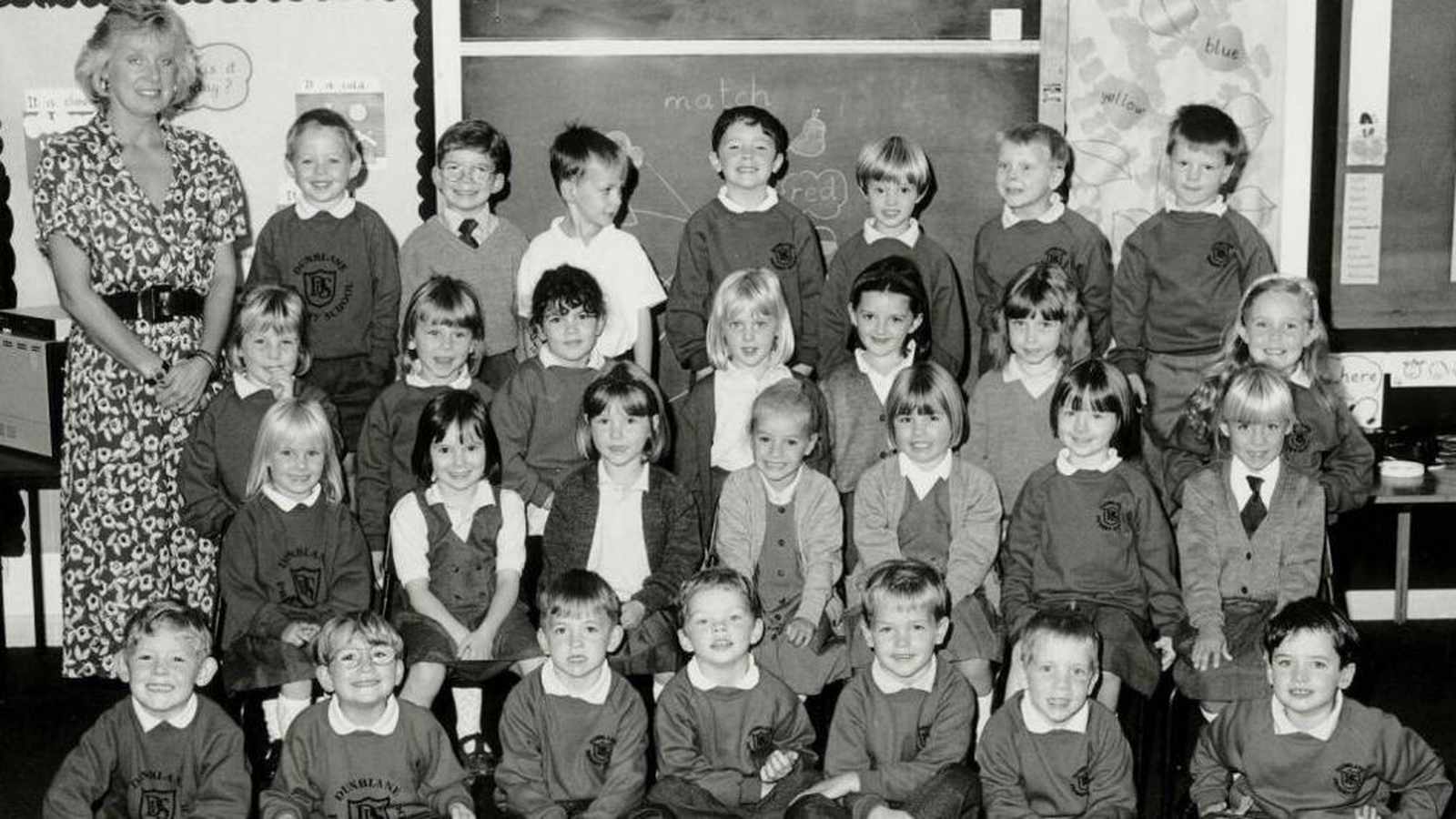
Thirty years after the tragedy that redefined British gun policy, the memory of the attack at Dunblane Primary School remains a potent force in both national lawmaking and local community life. On 13 March 1996, an armed individual entered the school, resulting in the deaths of 16 primary pupils and their teacher, and the injury of 15 others. Today, as the town marks this somber anniversary, the discourse has shifted from the initial shock of the event to a persistent, evolving debate regarding the efficacy of existing firearms regulations and the long-term survival of the social infrastructure built in the aftermath.
Legislative Vigilance and Emerging Firearms Threats
The legislative response to the 1996 massacre, which led to a ban on private handgun ownership, is frequently cited as a definitive policy shift. However, survivors and advocates argue that the work of ensuring public safety is far from complete. Mick North, a father of one of the victims and a prominent campaigner, asserts that the regulatory framework requires constant adaptation to counter modern challenges. North has specifically called for closer scrutiny of 3D-printed firearms and modified replicas, which often occupy legal gray areas that circumvent current statutory definitions.
The British Association for Shooting and Conservation (BASC) contends that the current licensing system is among the most comprehensive globally, emphasizing existing police oversight and medical checks. Despite these defenses, the tension between maintaining strict controls and addressing new technological threats remains a focal point for lawmakers, who are currently debating whether to tighten shotgun licensing requirements to better align with the restrictions placed on rifles.
The Dunblane Centre as a Living Civic Asset
While the legislative debate continues at the national level, the town of Dunblane has focused on sustaining its own recovery through The Dunblane Centre. Established through global donations following the tragedy, the facility has evolved from a memorial-driven project into a vibrant hub for daily social life. Claire Kinnear, the centre’s manager, highlights that the venue now serves as an intergenerational space, hosting everything from sensory classes for infants to sports and craft sessions for adults.
The centre’s financial sustainability remains a recurring challenge. Although a recent £100,000 grant from the National Lottery enabled the facility to expand its operations to seven days a week and increase its staff, the reliance on such funding creates a precarious environment. The ongoing investment in the centre, including the recent replacement of the sports hall floor, underscores the community’s commitment to transforming a site of trauma into a space for ongoing human connection.
Historical Memory and the Future of Advocacy
The 30th anniversary has also seen a renewed interest in the historical context of the tragedy, with new literature such as Stephen McGinty’s One Morning in March revisiting the systemic failures that preceded the attack. As survivors enter adulthood, the narrative of Dunblane is increasingly shaped by those who lived through the experience, pushing back against the notion that the issue of gun control was resolved decades ago. The continued involvement of public figures, including tennis champion and former pupil Sir Andy Murray, serves to amplify the call for proactive policy measures.
The enduring legacy of the tragedy at Dunblane Primary School demonstrates that while legislative reform can provide a crucial foundation for safety, the preservation of community-led spaces and the constant vigilance against evolving threats remain essential to the long-term process of societal recovery.