
Quick Read
- DVSA is increasing surveillance on illegal LED retrofit headlight kits after a spike in driver complaints about nighttime glare.
- 75% of night-driving anxiety is linked to headlight brightness, leading many to avoid driving after dark.
- Using LED bulbs in halogen housings is illegal in the UK and can result in fines up to £1,000 and failed vehicle inspections.
- Since 2013, dazzling headlights have contributed to about 280 accidents and six fatalities annually in Britain.
- The DVSA aims to work with sellers to remove misleading products and raise awareness about road safety risks.
DVSA Intensifies Actions Against Illegal LED Headlights
In recent months, the Driver and Vehicle Standards Agency (DVSA) has found itself at the center of a growing debate over the impact of bright, retrofitted LED headlights on British roads. The agency’s latest initiative, prompted by a surge in driver complaints and the findings of a government-funded study, signals a shift in how authorities are tackling the issue of nighttime glare and its effects on road safety.
Why Are Drivers Concerned About Bright Headlights?
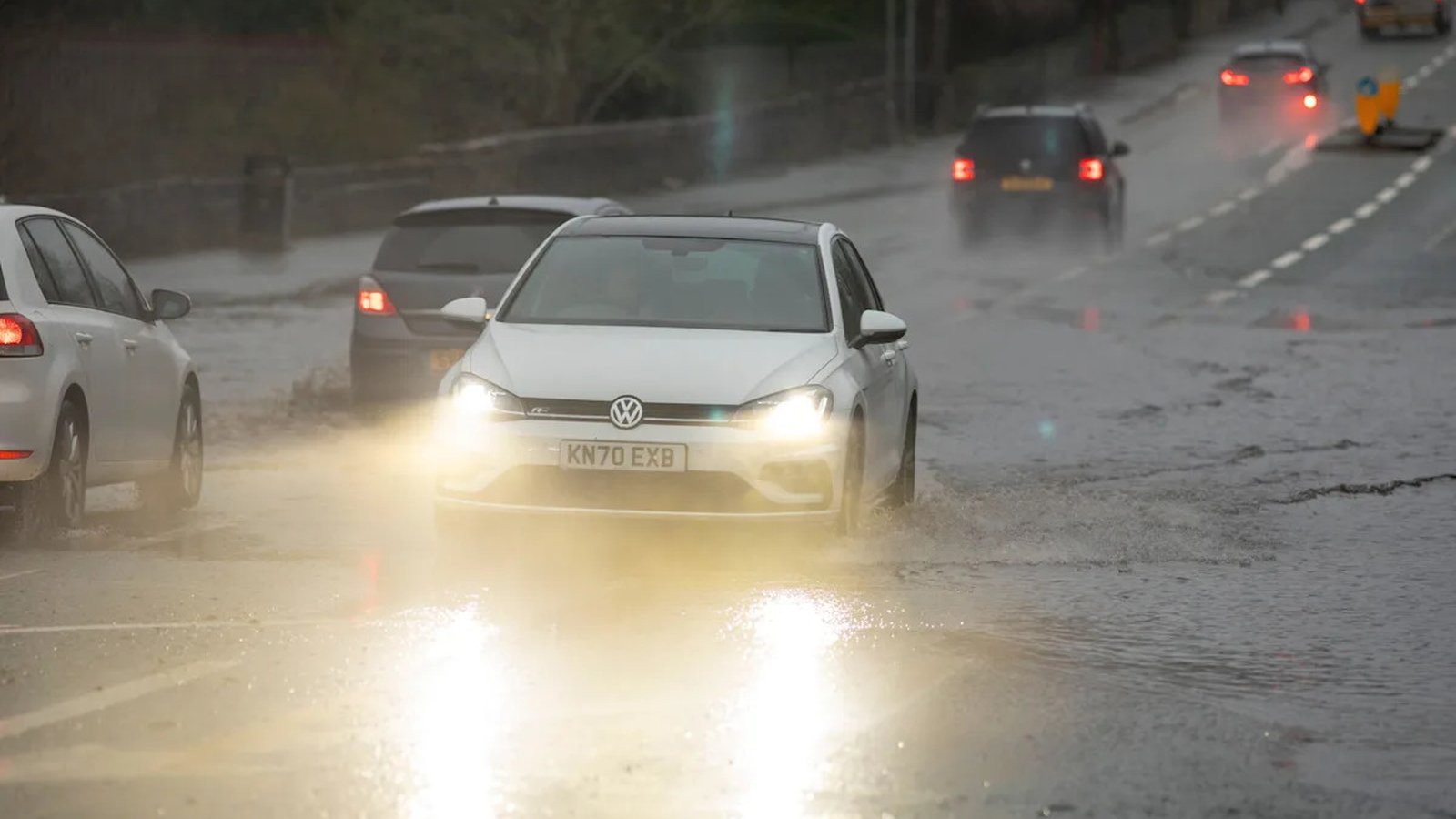
For many motorists, the act of driving after dark has become a source of anxiety rather than convenience. According to a study published in November, 75% of those who fear nighttime driving directly attribute their discomfort to the brightness of oncoming headlights. This isn’t just about personal annoyance—it’s a widespread public safety concern. The glare from high-intensity LED bulbs can temporarily blind drivers, increase reaction times, and, in some cases, discourage people from driving at all after sunset.
The government-funded research, which included over 50 hours of nighttime testing, confirmed what many drivers already suspect: increased luminance from headlights correlates with more intense glare. One-third of motorists reported cutting back on nighttime driving or avoiding it altogether, citing overwhelming brightness as the main reason.
Legal Grey Areas: Retrofit Kits and Road Safety
At the heart of the controversy is the growing market for LED retrofit kits. These products, often promoted online as “road legal” or “MOT proof,” are designed to replace traditional halogen bulbs. However, using LEDs in housings meant for halogen lamps is illegal in the UK, due to the increased risk of glare. Manufacturers engineer reflectors specifically for halogen bulbs to ensure safe, directed light. When a brighter LED bulb is installed in the same unit, the beam pattern changes, creating a hazard for other road users.
The DVSA’s approach is twofold: ramping up surveillance of online sales and working directly with sellers to remove misleading products or clearly warn consumers about the risks. While selling these kits isn’t technically illegal, marketing them for road use or as compliant with MOT standards can mislead buyers and undermine safety.
For drivers caught with illegal headlights, the consequences are more than a slap on the wrist. Fines can reach up to £1,000, and vehicles may fail inspection. Yet, despite the risks, these kits remain widely available—highlighting the challenge authorities face in keeping pace with evolving technology and consumer demand.
Modern Vehicle Trends: Are Brighter Lights Safer?
Headlight technology has advanced rapidly in recent years. The move from halogen to bi-xenon and LED systems has undeniably improved visibility for drivers, especially on unlit country roads. But as the RAC points out, safety benefits for one group can mean increased risk for another. Poorly aligned headlamps and the rising popularity of SUVs—with their higher-mounted headlights—have contributed to a landscape where glare is more common than ever.
The Highway Code is clear: drivers should avoid using lights that cause discomfort to others. Dipped headlights are required in built-up areas and during dull weather, helping balance visibility with consideration for fellow road users. But with more powerful lighting systems on the market, the margin for error grows slimmer.
Accident Statistics and the Road Ahead
Department for Transport data shows that since 2013, dazzling headlights have contributed to approximately 280 road accidents each year in Britain, with around six fatalities annually. These numbers, while not staggering in isolation, underscore a persistent problem—one that could escalate as brighter technologies become more accessible and widely adopted.
The government’s ongoing research and forthcoming road safety strategy aim to address the issue from multiple angles. Enhanced enforcement, clearer regulations, and greater public awareness are all part of the solution. The DVSA’s latest actions mark a critical step in aligning technological progress with real-world safety needs.
Looking Forward: Balancing Innovation and Responsibility
As the automotive industry continues to innovate, the challenge for regulators is to strike a balance between improved visibility and minimized risk for all road users. The DVSA’s crackdown on illegal LED headlight kits isn’t just about rule enforcement—it’s about restoring confidence for those who feel unsafe at night and ensuring that advancements serve everyone on the road.
Ultimately, the story isn’t about technology alone. It’s about the choices drivers make, the responsibilities of sellers, and the role of government in keeping the roads safe for everyone. The glare from a headlight isn’t just a flash of light—it’s a signal that, sometimes, progress must pause for safety.
Assessment: The DVSA’s renewed focus on illegal LED headlights highlights a complex intersection of technological innovation and public safety. While brighter lights benefit some drivers, they introduce real hazards for others. A nuanced, multi-pronged approach—combining regulation, education, and engagement with industry—is essential to ensure that modern vehicle lighting enhances, rather than undermines, road safety.