
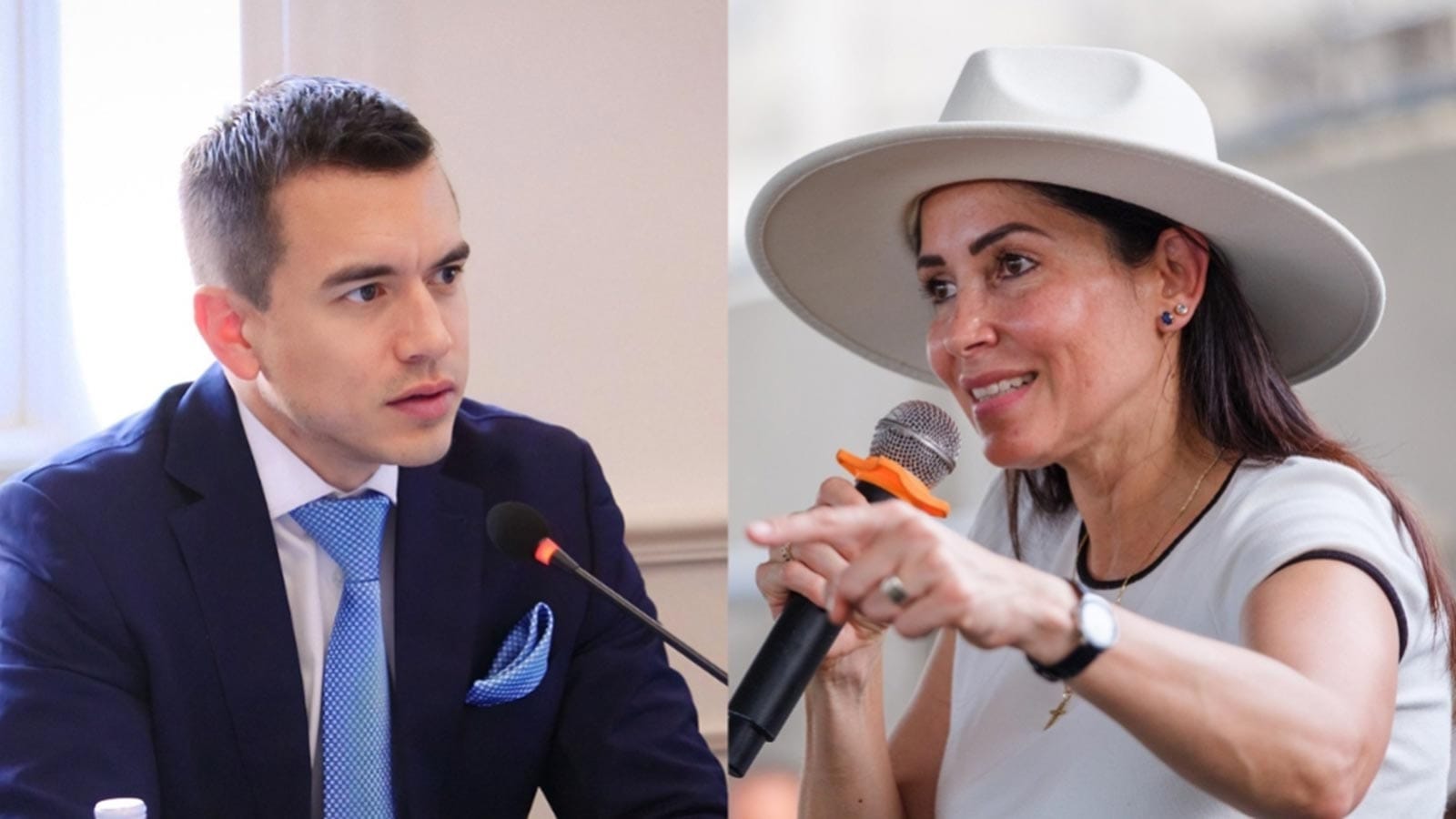
- Ecuador’s presidential election is a tight race between incumbent Daniel Noboa and challenger Luisa González.
- The country faces record-high drug gang violence and one of the highest homicide rates in Latin America.
- Economic stagnation leaves limited resources to address the escalating crime crisis.
- Noboa has declared drug gangs as terrorists and sought foreign aid, while González emphasizes social spending and military-led crime combat.
- The election results could determine the future of Ecuador’s security and economic stability.
Ecuador’s Presidential Election Amid Escalating Drug Violence
Ecuador’s presidential election on Sunday is one of the most closely contested and decisive in recent years. The country, once known as one of the most peaceful in Latin America, is now grappling with rampant drug gang violence and one of the highest homicide rates in the region. The election pits incumbent President Daniel Noboa against former lawmaker Luisa González, with both candidates focusing on combating the narco-fueled violence that has overtaken the nation.
Record-High Violence and Economic Challenges
Ecuador has become a major hub for cocaine trafficking to the U.S. and Europe, leading to a surge in violent crime. According to the Interior Ministry, the country recorded over 700 homicides in both January and February this year, the highest since official figures have been kept. This surge in violence coincides with economic stagnation, with Ecuador’s GDP declining for three consecutive quarters. The economic downturn has left the government with limited resources to address the escalating crime crisis.
Incumbent Daniel Noboa’s Approach
President Daniel Noboa, a millionaire and ally of former U.S. President Donald Trump, declared drug trafficking gangs as terrorists shortly after taking office in 2023. He imposed a state of emergency, citing an “internal armed conflict,” and has relied heavily on the military to combat the gangs. Noboa has arrested thousands and sought foreign assistance, including lobbying Trump for U.S. military support along Ecuador’s coast. However, his policies have faced criticism for lacking detail, and his recent campaign speeches have struggled to articulate a comprehensive anti-crime plan.
Challenger Luisa González’s Strategy
Luisa González, a protégé of former populist President Rafael Correa, has gained a slight lead in the polls, attributed to the sharp rise in homicides. González emphasizes social spending to aid marginalized communities most affected by violence but insists on keeping the military at the forefront of combating crime gangs. She has called for increased technology and coordination along Ecuador’s coastline and ports. However, her ties to Correa, who is living in exile after a corruption conviction, have opened her to criticism, with opponents warning that her presidency could lead Ecuador into a communist spiral akin to Venezuela and Nicaragua.
Limited Resources to Combat Crime
Ecuador’s economic challenges have severely limited its ability to address rising crime. The country’s GDP is expected to grow at one of the lowest rates in Latin America this year. While Noboa initially received praise for his hardline stance against drug trafficking, his policies have faltered, and his frequent trips to Washington and Mar-a-Lago to seek U.S. support have drawn criticism. González, on the other hand, opposes foreign involvement, accusing Noboa of bringing “mercenaries” to Ecuador and threatening the country’s sovereignty.
A Tight Race with High Stakes
The election is too close to call, with both candidates securing about 44 percent of the vote in the first round last February. The outcome could determine the future of Ecuador’s security and economic stability. The newly expanded 151-seat National Assembly is evenly split between Noboa’s and González’s parties, with several small non-aligned parties holding the balance of power. Political analysts suggest that the winner could secure a working majority, which is crucial for making progress on security and economic issues.
Ecuador’s next president will face the daunting task of combating rampant drug violence with limited resources. The election results, expected to be announced in the early hours of Monday, will have significant implications for the country’s future. Whether it is Noboa’s reliance on foreign aid and military intervention or González’s emphasis on social spending and military-led crime combat, the chosen strategy will shape Ecuador’s path forward in addressing its security and economic challenges.