


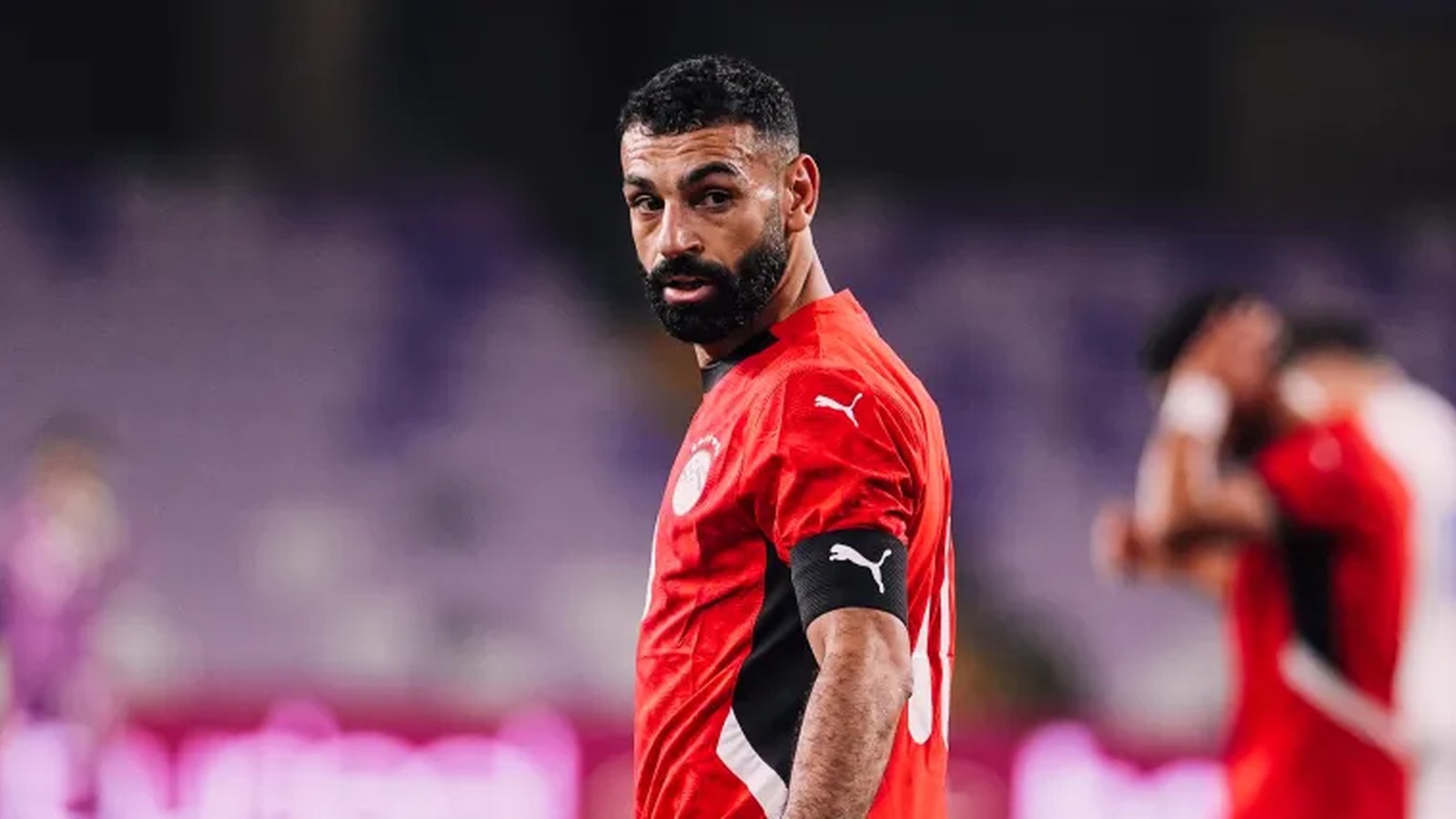
If football is the theatre of the unexpected, Egypt’s 1-0 win over South Africa in the 2025 Africa Cup of Nations was a masterclass in drama and controversy. On a chilly December evening in Agadir, Mohamed Salah’s coolly converted penalty became the dividing line between jubilation and fury, sending Egypt through to the last 16 after only two group matches. But for the fans, pundits, and players on both sides, the real story was about much more than the scoreline.
Let’s rewind to the pivotal moment: the 45th minute, just before halftime. Salah, Egypt’s talisman and Liverpool superstar, went down after South Africa’s Khuliso Mudau’s hand grazed his forehead during a run into the box. It was the kind of incident that, on another day, might have gone unnoticed. But after a prolonged VAR review, referee Pacifique Ndabihawenimana pointed to the spot, igniting a storm of protest from South Africa. Even Salah himself, reportedly, was surprised the penalty was given. Former South Africa forward Benni McCarthy, watching from the Channel 4 studio, described Salah’s fall as theatrical, noting that he did not appeal with much conviction. The debate raged: was this a genuine foul or a harsh call?
Six minutes and 14 seconds separated Mudau’s contact and Salah’s decisive kick, a period that felt like an eternity as players argued, officials deliberated, and fans held their breath. When Salah finally chipped the ball down the middle, sending Ronwen Williams the wrong way, Egypt had their lead—but also a cloud of controversy hanging overhead. As Reuters and Yahoo Sports reported, the decision left South Africa’s bench furious and pundits bewildered.
Just minutes later, the match took another twist. Egypt’s right-back Mohamed Hany, already on a yellow, lunged into Teboho Mokoena’s foot and earned a second booking. Down to ten men, Egypt faced a daunting second half, forced to defend deep and rely on counter-attacks. Salah, ever the outlet, helped relieve pressure, but Egypt’s attacking options dwindled as the clock ticked on.
South Africa, with a man advantage for the entire second half, had ample opportunity to equalize. Yet, as the minutes slipped by, Egypt’s defense—led by goalkeeper Mohamed El Shenawy—held firm. South Africa’s coach Hugo Broos tried to shake things up, bringing on fresh attacking talent, but Egypt’s resilience was unwavering.
The real crescendo came in stoppage time. With the score still 1-0, South Africa launched a desperate attack. Yasser Ibrahim, Egypt’s defender, threw himself to block a shot, and the ball appeared to strike his hand inside the penalty area. For several agonizing minutes, VAR officials scrutinized the footage. South Africa’s bench erupted, convinced they deserved a penalty. But the rules were clear: a handball can’t be penalized if the ball hits a player’s supporting arm. Ultimately, referee Ndabihawenimana reversed his initial call, giving Egypt a free kick outside the box instead. Relief for Egypt, heartbreak for South Africa.
The result? Egypt sits atop Group B with six points, having previously beaten Zimbabwe thanks to another Salah goal. South Africa, with three points, must now secure their place in the knockouts against Zimbabwe. Angola and Zimbabwe, who drew earlier in the day, face an uphill battle—no team has progressed with just two points since the format change in 2019.
Throughout the match, Egypt’s coach Hossam Hassan emphasized preparation and adaptability. “We approach each match individually and study the strengths and weaknesses,” he told Vavel. The team felt at home in Morocco, buoyed by passionate support from Egyptian and Moroccan fans. Hassan’s confidence in his squad, especially his goalkeepers, proved justified as El Shenawy’s performance kept Egypt’s hopes alive.
For Salah, the narrative is both personal and national. He now has nine AFCON goals since his debut in 2017, more than any other player in that period, and is chasing Hassan’s all-time record for Egypt. But as analysts like Nick Miller noted, we may not have seen Salah’s best yet this tournament. Egypt’s tactical shifts, especially after Hany’s red card, limited Salah’s influence, but his knack for delivering in crucial moments remains undeniable.
South Africa, meanwhile, will rue their missed opportunity. Forty-five minutes against ten men—and a late penalty appeal—should have yielded more. But football, as ever, is a game of fine margins. “Winning our first match was important,” said Broos, “but that doesn’t mean we don’t want to beat Egypt.” Now, their fate hangs on the next matchday.
As the dust settles, Egypt’s path to the knockout stages is clear, though the questions linger. Was the penalty fair? Did VAR get it right? In the end, football matches are decided by moments—some clear, some contentious, all unforgettable.
Egypt’s victory, shaped by controversy and resilience, is a testament to the unpredictable nature of tournament football. The facts show that while technology like VAR aims to clarify, it often amplifies debate and emotion. Egypt marches on, but the echoes of this match will be felt long after the final whistle. Sources: The Athletic, Vavel, ABC News, Yahoo Sports.