
Quick Read
- El Grito de Mexico commemorates the start of Mexico’s fight for independence in 1810.
- In 2025, celebrations in US cities like Portland were adapted due to fears of ICE raids, with some events moving online.
- Community leaders emphasized solidarity and resilience, despite anxieties about immigration enforcement.
- Public events, such as those in Bakersfield, aimed to balance festivity with safety for all attendees.
Independence Echoes Across Borders: El Grito’s Timeless Spirit
Every year on September 15th and 16th, the unmistakable cry of “¡Viva México!” reverberates far beyond the borders of its homeland. Known as El Grito de Independencia, or simply El Grito, this holiday commemorates the moment in 1810 when Miguel Hidalgo rang his church bell and called the Mexican people to rise against colonial rule. More than two centuries later, El Grito remains a living pulse for Mexicans and their descendants everywhere—a celebration of identity, resistance, and hope.
Portland’s El Grito: Joy, Fear, and the Search for Safety
In 2025, the Rose Quarter in Portland, Oregon, became a microcosm of this tension between jubilation and unease. The festival, organized by local leaders, featured live music, traditional food, and a vibrant array of local vendors. Yet, beneath the colorful banners and festive rhythms, a shadow lingered: the fear of federal immigration raids. For some, the risk of being targeted by Immigration and Customs Enforcement (ICE) was enough to keep them away. Others, like Oscar Nieves Lira, chose to show up nonetheless, embodying a quiet courage. “There is something to be said about celebrating and still being brave and still being willing to say, ‘I am here,’” Lira reflected, his words capturing both resilience and vulnerability. “I feel for my people. I don’t want to see those images; I don’t want them to live in that position.”
Josefina Del Norte, another attendee, spoke of the unbreakable bonds that festivals like El Grito help forge. “We all support each other, and these kinds of things create togetherness. It’s very important for us now more than ever to remind ourselves where we come from,” she said. Her words resonated with many, echoing the sense of shared history and mutual empathy that has become a lifeline for immigrant communities facing uncertain times. Del Norte added, “I’ve seen U.S. citizens also suffering our pain, our uncertainty and our fear because they have empathy.”
Adapting Traditions: Virtual Celebrations and Community Resilience
Not all communities felt comfortable gathering in person. In Washington County, Oregon, the Centro Cultural organization made the difficult decision to move their El Grito celebration online. Jairo Rodriguez, representing the nonprofit, explained, “We experienced that many families currently don’t feel safe to be outdoors. Many community members feel targeted given the current Trump administration and their desire to cause disruption.”
Rodriguez underscored the nonprofit’s shift in focus: meeting families where they feel secure. “What they want to see is just strength,” he noted. “It’s hard to do that when they’re not showing up in person, so we wanted to bring that to them in the safety of their homes.” The virtual event preserved the essence of El Grito—music, speeches, and the collective recitation of the historic cry—without exposing vulnerable families to risk. In this way, technology became a bridge between tradition and modern necessity, allowing culture to thrive even when physical space could not be shared.
Bakersfield: A Public Celebration of Heritage and Unity
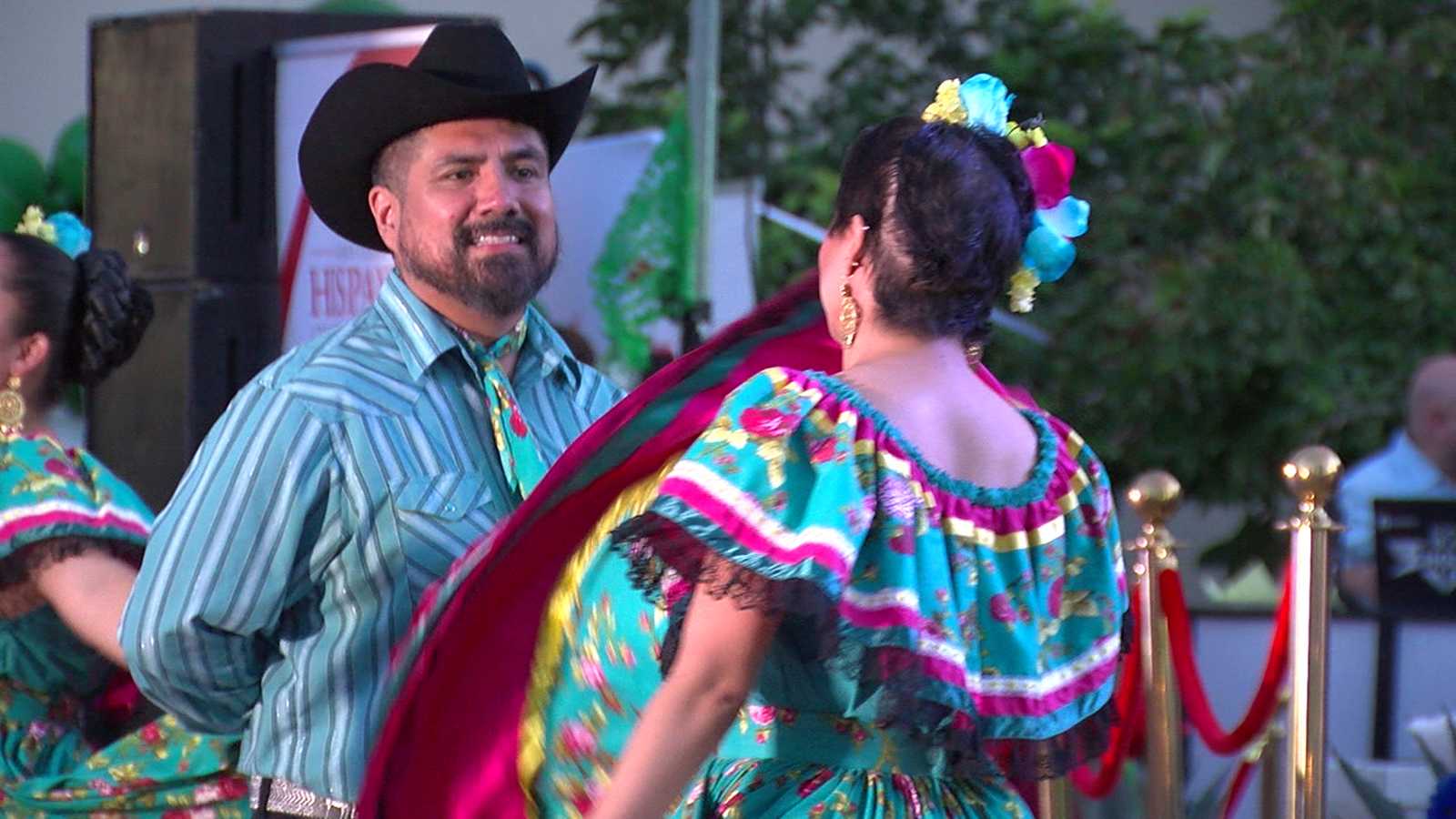
Meanwhile, in Bakersfield, California, El Grito was celebrated downtown with a flourish. The event, organized by the Kern County Hispanic Chamber of Commerce and hosted by Norma Gaspar and Pepe Reyes of Telemundo Bakersfield, drew crowds eager to honor their roots. The atmosphere was electric, filled with mariachi music, folkloric dancers, and the aromas of street food wafting through the evening air. For one night, the heart of Bakersfield pulsed with the sounds and colors of Mexico—a testament to the enduring ties that bind generations of Mexican-Americans to their heritage.
But even here, the festive mood was tinged with awareness. Organizers took steps to ensure the event felt safe and welcoming for all, mindful of the anxieties that have become part of daily life for many immigrants. The choice to celebrate openly was, in itself, an act of affirmation—an answer to fear with joy and unity.
Celebration as Resistance: What El Grito Means Today
Across the United States, El Grito de Mexico is more than a party. It’s a ritual of remembrance and a declaration of presence, especially for those whose place in society feels perpetually in question. In 2025, as immigration debates raged and enforcement actions cast a long shadow, El Grito became a subtle form of resistance. Whether in bustling public squares or quiet living rooms, families and communities came together to say: We are still here. Our culture endures. Our voices matter.
This duality—of joy and vigilance, celebration and sorrow—was palpable in every detail. Children waved small flags, elders recounted stories of past struggles, and neighbors checked in on one another. The traditions adapted, but the spirit remained unchanged. The cry for independence that once rang out in Dolores now echoes in the voices of those who refuse to let fear define them.
As the festivities drew to a close, a single truth lingered: El Grito endures not just as a memory of the past, but as a living expression of hope and solidarity. It reminds all who participate that freedom is not only won once, but must be defended and cherished, year after year, generation after generation.
El Grito de Mexico in 2025 highlighted how celebration and anxiety can coexist, forging deeper solidarity within communities. In the face of external pressures and uncertainty, Mexican-Americans demonstrated that cultural resilience is both a shield and a rallying cry—proof that even when the world feels precarious, the spirit of independence can unite and uplift.