
Quick Read
- Elaine Miles alleges ICE agents in Washington detained her and dismissed her tribal ID as ‘fake.’
- Tribal identification is recognized by federal agencies, yet agents refused to verify it.
- Miles, her son, and uncle were ultimately released after agents abruptly left.
- Indigenous rights attorney Gabriel Galanda cites racial profiling as a factor in such incidents.
- ICE has not commented publicly on the specific case.
Elaine Miles: Detained by ICE, Her Tribal ID Dismissed
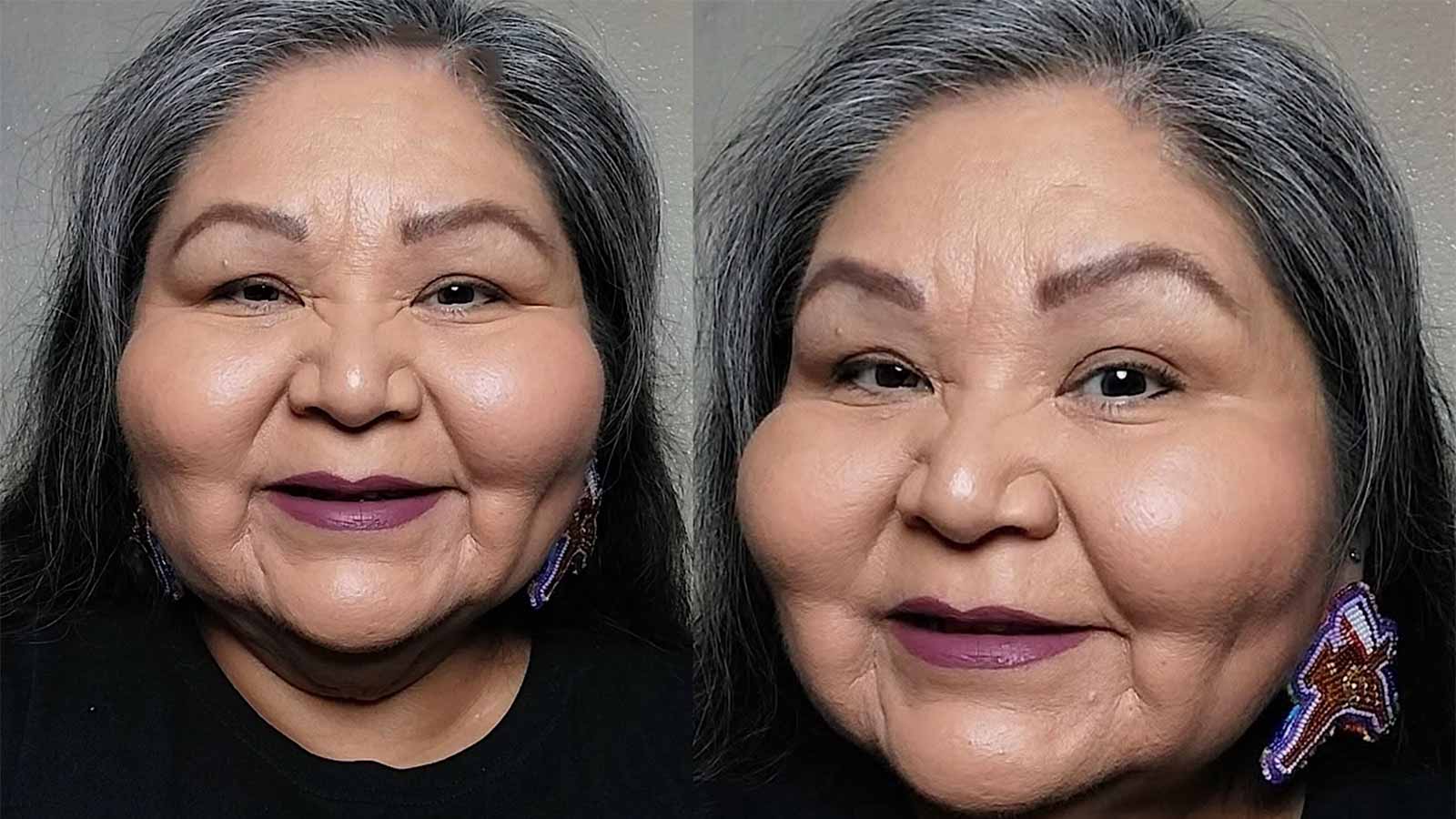
Elaine Miles, the celebrated Native American actress best known for her roles as Marilyn Whirlwind in Northern Exposure and Florence in The Last of Us, has come forward with a disturbing account of her recent encounter with U.S. Immigration and Customs Enforcement (ICE). Miles, a member of the Confederated Tribes of the Umatilla Indian Reservation in Oregon, alleges that ICE agents detained her, her son, and her uncle in Redmond, Washington, after refusing to accept their federally recognized tribal identification cards.
ICE Agents Allegedly Reject Tribal ID as ‘Fake’
According to Miles, the incident unfolded as she headed to a bus stop, planning a routine trip to Target. Four masked men in ICE-labeled vests emerged from two black SUVs, which notably lacked front license plates—a detail that struck Miles as suspicious. The agents demanded identification, prompting Miles to present her tribal ID, which she notes has previously been accepted during cross-border travel to Canada and Mexico.
What happened next cut to the heart of a larger issue: One agent declared her tribal ID was “fake,” and another allegedly commented, “Anyone can make that.” Despite Miles’ insistence on the legitimacy of her documentation and her suggestion that the agents verify its authenticity by contacting the Umatilla Tribal enrollment office listed on the card, the officers refused to make the call. Instead, as she tried to use her phone to seek help, the agents attempted to seize her device. The confrontation ended abruptly when a whistle from one of the SUVs signaled the men to leave, and they departed without further explanation.
Indigenous Rights and the Question of Recognition
The experience left Miles shaken and deeply concerned about the treatment of Indigenous individuals by federal authorities. “It’s also deeply troubling that in 2025, the first people of this country have to essentially look over their shoulders,” she remarked, echoing a sentiment shared by many in Native communities. Her ordeal is not an isolated case but rather a reflection of broader issues around racial profiling and the recognition of tribal sovereignty.
Gabriel Galanda, a Seattle-based Indigenous rights attorney who spoke with The Seattle Times, contextualized the incident: “People are getting pulled over or detained on the street because of the dark color of their skin.” While Galanda emphasized that such detentions are uncommon, he cautioned that the prospect of First Peoples being forcibly stopped or detained is “harrowing and reminiscent of this country’s original treatment of the First Peoples.” His advice to Indigenous individuals is to always carry their IDs, but he also stresses the importance of not living in fear.
The Confederated Tribes of the Umatilla: History and Identity
Miles’ identity as a member of the Confederated Tribes of the Umatilla Indian Reservation adds another layer to the story. The confederation, which unites the Umatilla, Cayuse, and Walla Walla tribes, is governed by a Board of Trustees and numbers over 2,800 members as of 2011. The tribal government, headquartered in Mission, Oregon, is recognized by federal authorities and has a long history of treaty relations with the United States. Tribal identification cards, like the one Miles presented, are accepted by federal agencies as legitimate documentation.
Yet, as Miles’ experience reveals, the gap between official policy and street-level enforcement remains. The agents’ refusal to accept her tribal ID and their failure to provide names or badge numbers when requested raised concerns about possible impersonation or overreach. Miles herself questioned whether the men were bounty hunters, given their reluctance to follow standard procedures.
Wider Implications: Racial Profiling and Trust in Institutions
This incident highlights persistent tensions between Indigenous communities and federal agencies tasked with enforcing immigration laws. It also raises uncomfortable questions about racial profiling and the uneven recognition of tribal sovereignty. For many Native Americans, the fear of being detained or harassed for simply carrying tribal documentation is a lived reality—one that undermines trust in institutions meant to protect their rights.
As of now, ICE has not issued a public statement addressing the incident. Media outlets including The Mirror, The Seattle Times, and Irish Star have reported on Miles’ account, drawing attention to the need for clearer protocols and better training for agents interacting with tribal citizens.
For Elaine Miles, the experience was a stark reminder of the ongoing struggle for recognition and respect. Her decision to speak out is more than a personal protest—it is a call to acknowledge the dignity and sovereignty of Indigenous peoples in the United States. The broader community, meanwhile, continues to grapple with the legacy of systemic discrimination and the challenge of ensuring that incidents like this do not become the norm.
Elaine Miles’ story reveals not only the vulnerability of Native American citizens in encounters with law enforcement, but also the urgent need for institutional reforms that bridge the gap between federal policy and frontline practice. Her courage in sharing her experience serves as a powerful reminder of the importance of visibility, advocacy, and accountability in the ongoing quest for justice.