
Financial Woes and Fraud Scandal Culminate in Nikola’s Chapter 11 Filing
Electric truck manufacturer Nikola has announced its filing for Chapter 11 bankruptcy protection, signaling a dramatic downturn for the once-promising EV startup. The company intends to sell its assets while grappling with severe financial challenges. Founded in 2015, Nikola now faces operational wind-down as its market valuation has plummeted from a peak of $27 billion to under $50 million. Over the past few years, Nikola has been beset by a series of crises, including top management shakeups, collapsing stock value, fraud allegations, a steep decline in demand, and product recalls.
The Fate of EV Startups: Nikola Joins List of Bankrupt Visionaries
Nikola, alongside other electric vehicle ventures like Fisker, Proterra, Canoo, and Lordstown Motors, capitalized on the pandemic-era SPAC boom, going public and commencing truck deliveries in 2021. However, mirroring a broader trend, all five startups have since filed for bankruptcy, failing to deliver on their initial promises of sector revolution.
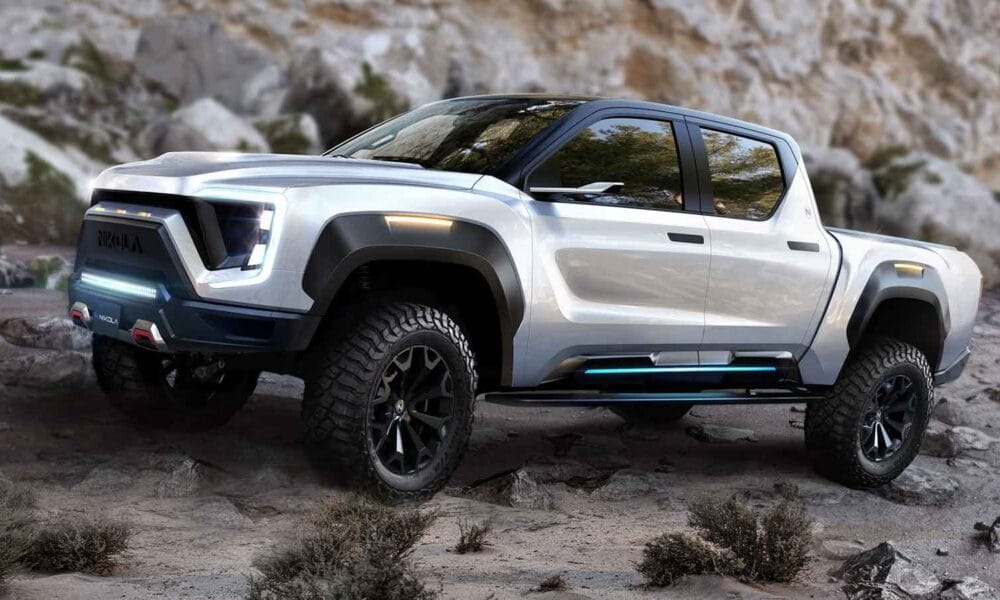
Five years prior, Nikola had ambitious plans with General Motors to jointly engineer and manufacture battery-electric and hydrogen fuel cell vehicles, including the highly anticipated Nikola Badger pickup. Projected to boast over 900 horsepower and a 600-mile driving range, the Badger ultimately never materialized. In a significant setback in February 2024, Nikola sold the Badger project to Embr Motors, a nascent company founded by vehicle builder and TV personality Dave “Heavy D” Sparks. This sale marked a major blow to Nikola’s original vision of transforming the heavy-truck industry towards zero-emission solutions.
Fraud Charges and Founder’s Arrest: The Undoing of Nikola’s Rise
The first signs of trouble emerged when Hindenburg Research released a video purportedly showing a Nikola truck rolling downhill to simulate driving, accompanied by a report accusing Nikola of widespread fraud. Founder Trevor Milton was subsequently indicted on fraud charges for orchestrating the staged video and making false claims about Nikola’s proprietary hydrogen fuel cell technology and production costs. Milton was later sentenced to four years in prison, and in the wake of his arrest, General Motors withdrew from their partnership agreement.
Production Ramp-Up and Financial Losses: The Unsustainable Business Model
Despite increasing production in 2024, Nikola continued to hemorrhage cash, losing hundreds of thousands of dollars on each truck sold. Since the third quarter of the previous year, the company has produced and delivered only 600 vehicles, a significant portion of which were subject to recalls due to various manufacturing defects.
Bankruptcy Proceedings and Future Prospects: Auctioning Assets for Survival
Nikola’s immediate next step is to initiate an auction and asset sale process, pending court approval. The electric truck maker possesses $47 million in cash reserves to fund the bankruptcy proceedings, manage the asset sale, and navigate the Chapter 11 process. While Nikola listed assets valued between $500 million and $1 billion, court filings cited by Reuters estimate the company’s liabilities to be between $1 billion and $10 billion, underscoring the depth of its financial distress.
CEO Steve Girsky stated that Nikola had made extensive efforts in recent months to raise capital, reduce liabilities, and conserve cash in a bid to maintain operations. Ultimately, these efforts proved insufficient to overcome the mounting challenges, leading to the Board’s decision to file for Chapter 11 bankruptcy.
Stay informed on the latest developments in the automotive and electric vehicle industries by visiting the Azat TV IT and Entertainment section.