


Elizabeth Line Disruptions Cause Morning Chaos for London Commuters
On a brisk November morning, thousands of Londoners found themselves facing an all-too-familiar struggle: the city’s Underground network, including the pivotal Elizabeth line, was beset by severe delays and partial suspensions. For many, the commute had quickly turned from routine to a test of patience and resilience.
The disruption was not limited to one part of the network. According to Travel And Tour World, major lines including Jubilee, Metropolitan, and Piccadilly were also affected. Yet it was the Elizabeth line, a lifeline for those traveling between East and West London, that bore the brunt of the chaos. Severe delays between Shenfield and Whitechapel were traced back to engineering works at Romford that had overrun their scheduled finish, creating a domino effect of setbacks just as the city’s workforce was preparing for the day ahead.
Engineering Challenges and Ripple Effects
Engineering work, essential for the long-term health of the system, can sometimes have unintended consequences when things don’t go as planned. In this case, the late completion at Romford meant packed platforms, longer waiting times, and frazzled nerves. The Metropolitan line faced a total suspension between Baker Street and Aldgate due to a track fault, while the Jubilee line was hampered by a faulty train at Neasden, grinding southbound services to a crawl. The Piccadilly line, meanwhile, suspended its Rayners Lane to Uxbridge route for the day, a precaution against leaf fall that could damage train wheels and cause skidding. Each incident forced commuters to seek alternative routes, resulting in overcrowding on other lines and buses.
As if that weren’t enough, a malfunctioning CCTV system at the Blackwall Tunnel left road commuters stuck in slow-moving traffic, sometimes for 20 minutes or more. Bus routes such as the SL4, connecting Blackheath and Greenwich, saw delays stretching up to 35 minutes. The entire city felt the ripple effect, as congestion on one part of the network inevitably spilled into others.
Surging Demand Spurs Investment in New Trains
These disruptions, as frustrating as they are, underscore a broader reality: London’s public transport is operating at full tilt, with surging demand putting pressure on every part of the system. Since its opening in 2022, the Elizabeth line has become the busiest railway in the UK, handling an average of 800,000 journeys daily, as highlighted by Marketing Derby. This phenomenal growth has made the line indispensable not just to commuters, but also to the city’s economic engine.
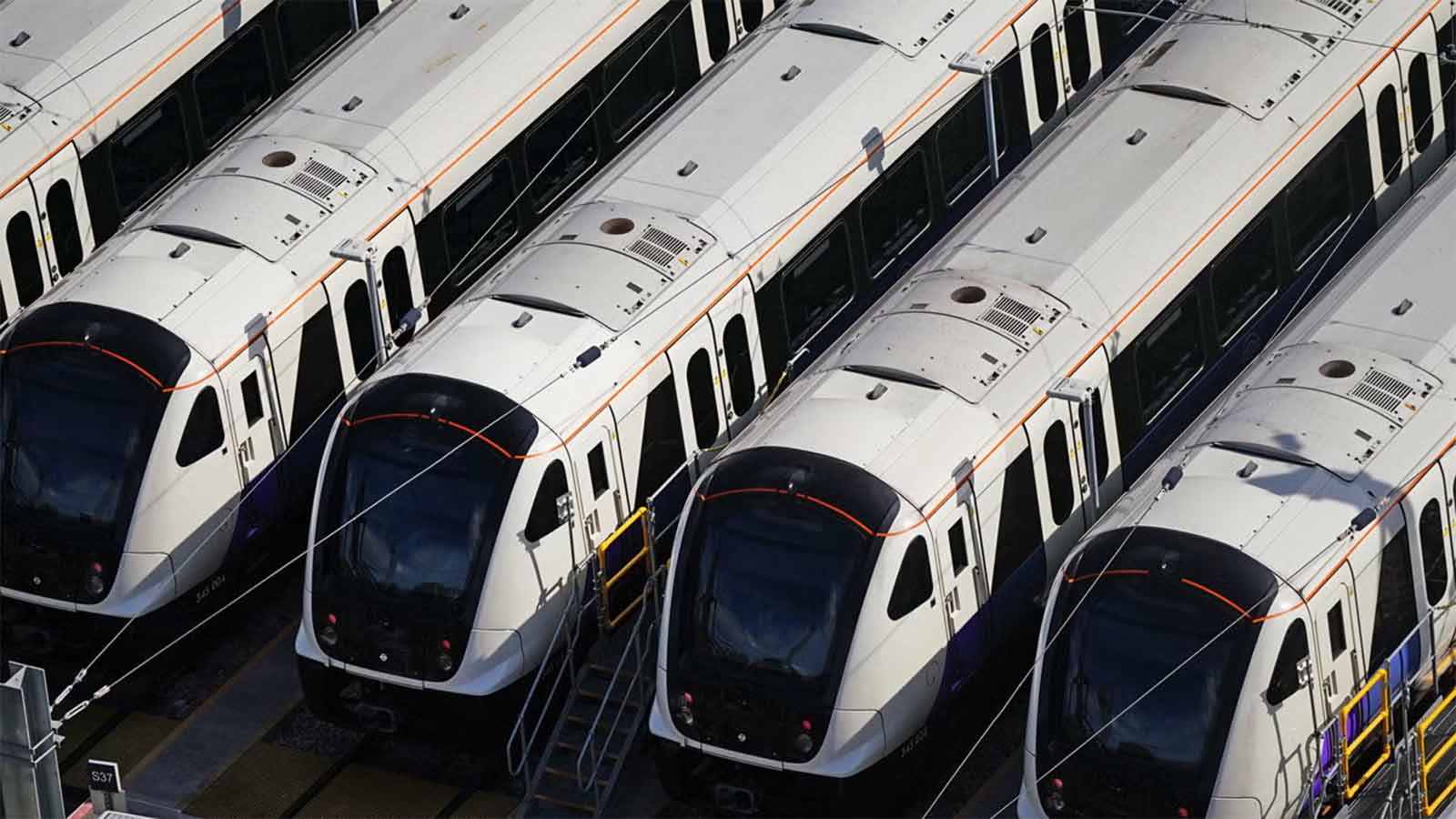
Recognizing the need for increased capacity, train-maker Alstom recently began building ten additional Aventra Class 345 trains at its Derby factory. This move followed a successful lobbying effort by Team Derby and government intervention, with more than £220 million in funding allocated to ensure the Elizabeth line can keep up with demand. The new trains, designed and built from scratch in the UK, will help Transport for London (TfL) alleviate overcrowding and maintain reliable service.
Rob Whyte, Alstom’s managing director for UK and Ireland, emphasized the importance of the Derby plant, noting its central role in both domestic and export rail markets. The contract has secured over 1,000 jobs in Derby, a city with a railway heritage stretching back to 1839. The Elizabeth line’s supply chain now supports nearly 40 UK companies, illustrating how investment in London’s transport infrastructure reverberates across the country.
Leadership and Innovation on the Elizabeth Line
Behind the scenes, running such a complex network demands experienced leadership. Paul Groves, recently appointed Train Services Director for Thameslink and Great Northern, previously led driver operations and safety for the Elizabeth line. During his tenure, Groves oversaw the roll-out of a new fleet and the implementation of advanced signaling systems, including the European Train Control System (ETCS) and Communications-Based Train Control (CBTC).
These technical upgrades, coupled with one of the UK’s largest driver recruitment campaigns, helped the Elizabeth line win Operator of the Year at the National Transport Awards in both 2023 and 2024, according to Rail Business Daily. Groves’ collaborative approach with regulatory bodies and unions has set a standard for operational excellence, a crucial factor in keeping London’s trains running in the face of mounting challenges.
Economic and Social Impact of Transport Disruptions
The stakes extend far beyond inconvenience. The morning rush is a delicate choreography, and any break in rhythm can disrupt business operations, delay meetings, and sap productivity. For tourists and visitors, delays on the Underground can mean missed connections, lost opportunities, and a skewed impression of the city’s famed efficiency. TfL has urged commuters to plan ahead, check live updates, and consider alternative routes, but the underlying message is clear: the capital’s infrastructure must keep pace with its ambitions.
As new trains roll off the production line and leaders focus on innovation and resilience, the Elizabeth line’s evolution reflects both the challenges and opportunities facing London. The investment in rolling stock and network upgrades is more than a response to today’s problems—it’s a bet on the city’s future growth and connectivity.
Transport Secretary Heidi Alexander summed it up, stating that public investment in railways not only delivers for Londoners but also sustains skilled jobs and economic activity across the UK. Seb Dance, Deputy Mayor for Transport, echoed this sentiment, noting that quality infrastructure unlocks opportunities for people and places far beyond the capital.
The disruptions that rattled the Elizabeth line this morning are a stark reminder of London’s reliance on its transport network—and the need for continuous investment and innovation. As new trains enter service and operational leadership evolves, the line’s future will depend on balancing surging demand with robust systems and a commitment to keeping the city moving.