
Quick Read
- Elizabeth Taylor was a two-time Academy Award-winning actress, famous for her roles and glamorous lifestyle.
- She was married eight times to seven men, with relationships often making headlines.
- Taylor Swift’s song ‘Elizabeth Taylor’ draws parallels between Taylor’s life and her own experiences with fame.
- Taylor was a philanthropist, helping raise about $100 million for AIDS research.
- Taylor’s iconic violet eyes, jewelry collection, and perfume line ‘White Diamonds’ are referenced in Swift’s lyrics.
Elizabeth Taylor’s Hollywood Journey: Stardom, Scandal, and Unmatched Glamour
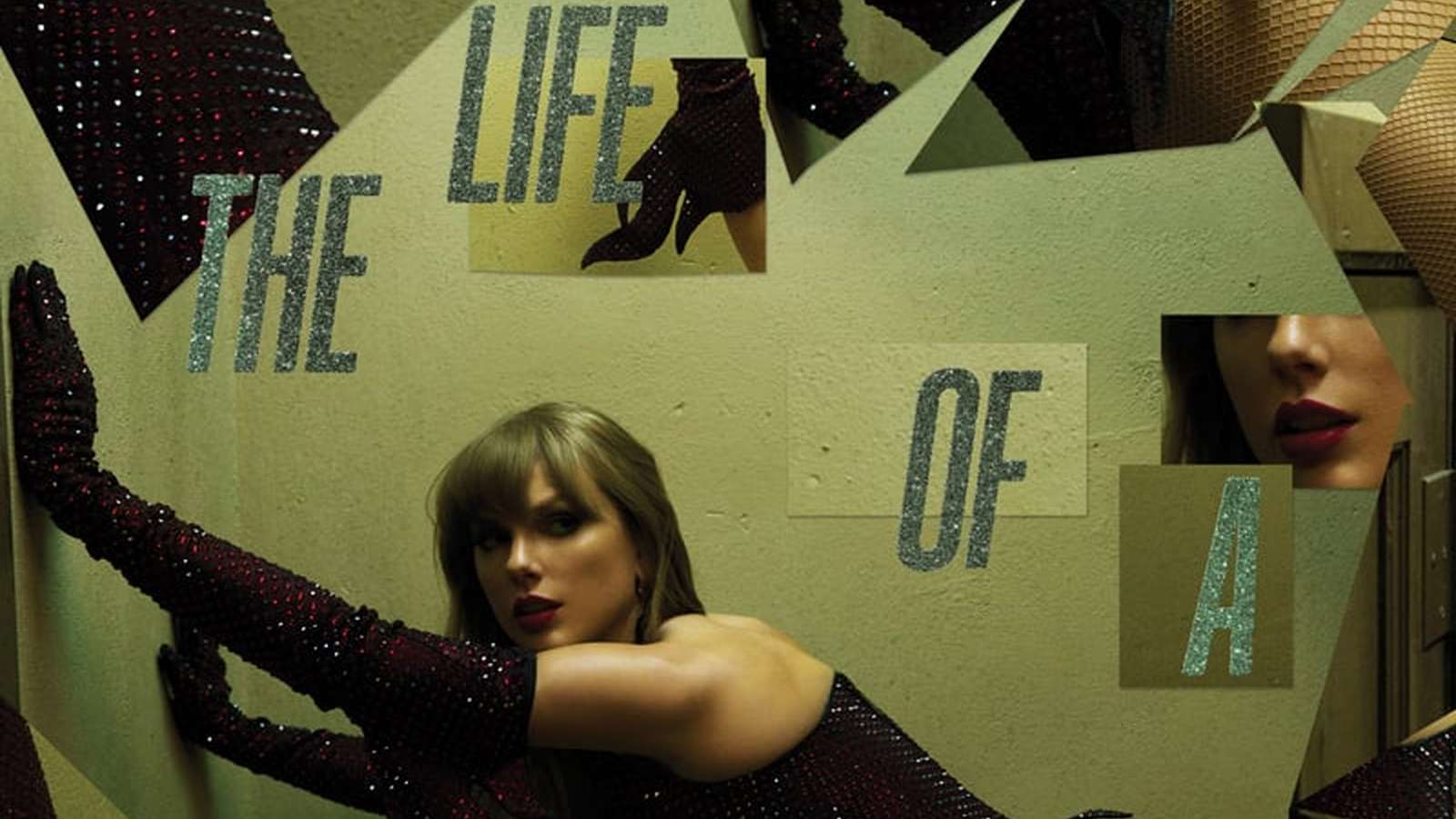
Elizabeth Taylor was not simply a star; she was the very definition of Hollywood allure. Her violet eyes, unforgettable roles, and tumultuous love life made her one of the most talked-about personalities of the 20th century. Today, her legacy finds new life in Taylor Swift’s song “Elizabeth Taylor,” the second track on Swift’s 12th studio album, The Life of a Showgirl. This isn’t just a name-drop; it’s a meditation on fame, love, and the cost of living beneath the world’s relentless gaze.
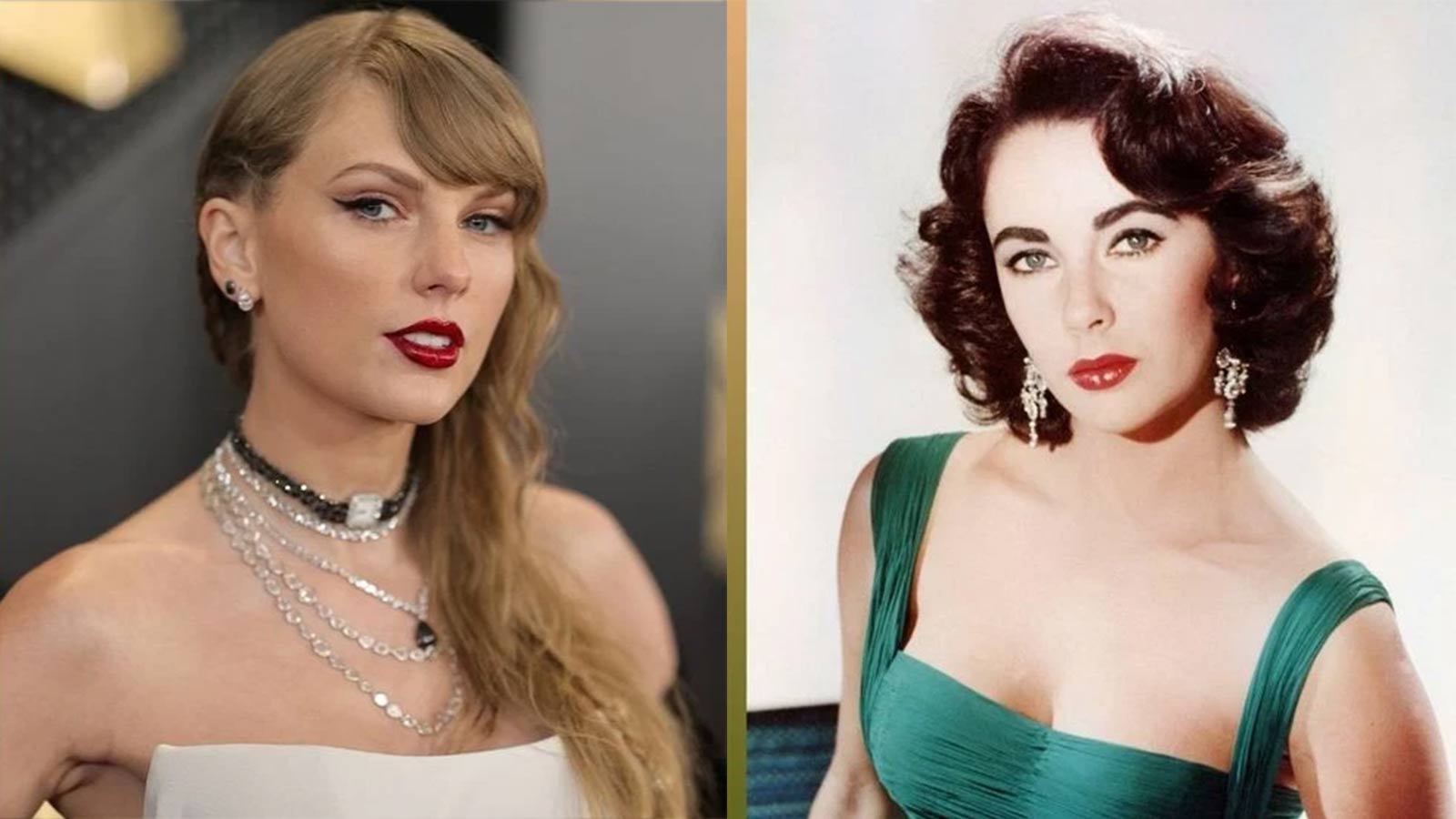
Born in 1932 in London and arriving in Hollywood as a child, Taylor dazzled audiences from the start. Her breakthrough came in 1944 with National Velvet, a film that instantly marked her as America’s sweetheart. But Taylor’s career was never just about innocent charm. As she matured, so did her roles—and her public persona. She became synonymous with glamour, intensity, and an almost mythical capacity for reinvention.
Fame and Relationships: The Spotlight’s Double-Edged Sword
Elizabeth Taylor’s personal life was as storied as her filmography. She was married eight times to seven different men, her relationships sparking public fascination and media frenzy. Her romance with Richard Burton, whom she married twice, was legendary—a saga of passion, diamonds, and drama that played out on and off the screen. The world watched, commented, and speculated as Taylor navigated heartbreak and happiness, often under the harsh scrutiny of the tabloids. Her affairs and marriages—most notably with Eddie Fisher and Burton—were not just private matters but front-page news, setting the template for modern celebrity coverage.
In Taylor Swift’s “Elizabeth Taylor,” these aspects of Taylor’s life are woven seamlessly into the lyrics. Swift references iconic moments—Burton’s proposal in Portofino, stays at the Plaza Athénée in Paris, and dining at Musso & Frank’s in Los Angeles. She alludes to Taylor’s legendary jewelry collection and her signature perfume, White Diamonds. But above all, Swift uses Taylor’s story as a lens to examine her own struggles with fame, relationships, and the constant pressure of public opinion.
The Song as Reflection: Swift’s Dialogue with the Past
“Elizabeth Taylor” isn’t just a tribute; it’s a conversation across generations. Swift asks, “Do you think it’s forever?” echoing the doubts and hopes that have accompanied both her and Taylor’s romantic lives. The lyric “All the right guys promised they’d stay / Under bright lights, they withered away, but you bloom” draws a direct parallel between Swift’s own high-profile relationships and Taylor’s infamous marriages. The song’s refrain—“I’d cry my eyes violet”—is a nod to Taylor’s trademark eye color, a detail that has become almost mythic in Hollywood lore.
Swift’s references aren’t random. They are carefully chosen Easter eggs, each pointing to a chapter in Elizabeth Taylor’s story. Portofino, the Italian village where Burton proposed, becomes a symbol of love’s promise and fragility. The mention of Cartier jewelry alludes to Taylor’s renowned taste and her ability to turn luxury into legend. Musso & Frank’s, a classic Hollywood haunt, anchors the narrative in the city’s golden age.
Yet, beneath the glamour and nostalgia, Swift’s lyrics reveal a more vulnerable message: even the most celebrated lives are marked by insecurity and longing. “Hey, what could you possibly get for the girl who has everything and nothing all at once? / Babe, I would trade the Cartier for someone to trust,” she sings, balancing the weight of material success against the craving for genuine connection.
Elizabeth Taylor: More Than a Movie Star
Elizabeth Taylor’s influence extended far beyond the silver screen. She won two Academy Awards—one for Butterfield 8 in 1961 and another for Who’s Afraid of Virginia Woolf? in 1967. Her performances were lauded for their depth and authenticity, often portraying women of fierce independence and passion. As TIME’s former film critic Richard Corliss wrote in her obituary, “In each role, she found the starting point for a creative journey at the crossroads of modern femininity, or proto-feminism, and ageless star quality.”
Off-screen, Taylor was a tireless advocate for social causes. She helped found the American Foundation for AIDS Research and was instrumental in raising awareness and funds for patients with AIDS and other illnesses. Her philanthropic work—estimated to have raised over $100 million—cemented her reputation as more than a Hollywood icon; she was a force for compassion and change.
Throughout her life, Taylor faced numerous health challenges, including skin cancer, a benign brain tumor, and injuries that left her wheelchair-bound in her later years. But her spirit never waned. “I get around now in a wheelchair,” she said in 2005, “but I get around.” Her resilience, humor, and unwavering presence made her a beloved figure until her passing in 2011 at age 79.
Legacy in the Modern Spotlight: Why Elizabeth Taylor Still Matters
In the age of social media, the relentless attention Taylor endured has only intensified for today’s stars. Swift’s song is a reminder that fame is both a privilege and a burden—a balancing act between public admiration and private vulnerability. The parallels between Taylor and Swift aren’t just poetic; they are instructive. Both women have experienced the highs and lows of celebrity, the scrutiny of their personal choices, and the challenge of maintaining authenticity in a world eager for spectacle.
Elizabeth Taylor’s story, as reframed by Taylor Swift, becomes a meditation on legacy. For those who grew up watching Taylor’s films or reading about her romances, the song is a nostalgic journey. For younger listeners, it’s an introduction to a woman who defied convention and transformed her struggles into symbols of strength. As Taylor’s former assistant remarked, “I think she would’ve loved Taylor Swift. I think they could have been friends.” The tribute is not just musical—it’s deeply personal, a bridge between eras and sensibilities.
Ultimately, “Elizabeth Taylor” is more than a song. It’s an exploration of what it means to be seen, loved, and remembered. Through Swift’s lyrics, Elizabeth Taylor is not merely a reference, but a living presence—an enduring icon whose story continues to resonate.
In tracing Elizabeth Taylor’s journey from child star to cultural legend, and in examining how Taylor Swift channels that history, we see the enduring power of narrative to shape not only individual lives but the collective imagination. Taylor’s struggles, triumphs, and unmistakable style are refracted through Swift’s voice, proving that the legacy of Hollywood’s greatest icons is never truly left in the past—it’s continually reborn in the stories we choose to tell.