
Quick Read
- Manchester City adopted an unusual defensive approach at Emirates Stadium during their 1-1 draw with Arsenal, which was not part of Pep Guardiola’s tactical plan.
- Arsenal’s women’s team head coach Renée Slegers emphasizes the stadium’s atmosphere as a vital factor for success, especially in European competitions.
- Viktor Gyokeres, Arsenal’s high-profile summer signing, has shown promise despite a goal drought in the Champions League, with club management expressing full support.
- Arsenal leads the Premier League after seven matchdays, reflecting the impact of both tactical decisions and new signings at Emirates Stadium.
Emirates Stadium: More Than Just a Pitch
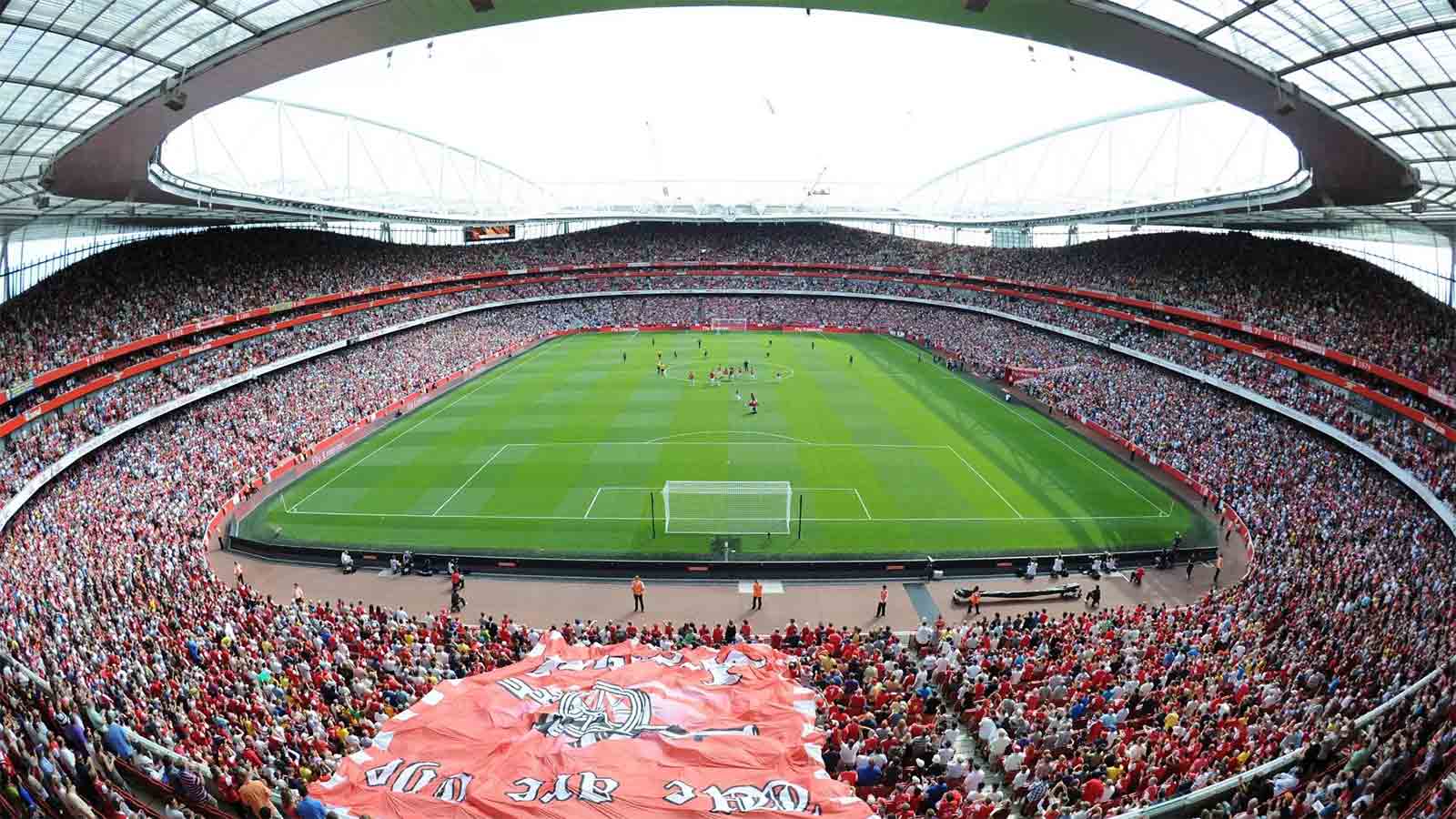
For Arsenal fans, the Emirates Stadium is more than an architectural landmark—it’s the beating heart of their club’s identity. Week after week, it hosts matches that shape destinies, test new recruits, and become the backdrop for moments that ripple through the football world.
On October 7th, the Emirates witnessed a tactical duel that stirred debate across the Premier League. Manchester City, under Pep Guardiola, are renowned for their possession-based style, but when they faced Arsenal, the script flipped. According to John Stones, City “did not intend to park the bus,” yet found themselves defending deep after an early Erling Haaland goal. “It wasn’t planned and it is definitely not in our DNA as a team to go out and do that,” Stones told talkSPORT. The Citizens’ defensive posture, uncharacteristic for Guardiola’s side, highlighted the psychological pressure of the Emirates environment—a place where every tactical nuance is magnified, every decision scrutinized by tens of thousands of eyes.
Home Advantage and the Power of Atmosphere
Renée Slegers, Arsenal Women’s head coach, knows firsthand the impact that the Emirates crowd can have. Ahead of a crucial UEFA Women’s Champions League clash against Lyon, Slegers shared her thoughts in the matchday programme. “The energy created in the stadium, whether it’s Emirates Stadium or Meadow Park, is our secret weapon,” she wrote. Slegers recalled the electric atmosphere during the December 2024 Bayern Munich game: “The place was absolutely rocking and it was the fans who made that happen.”
For Slegers and her squad, playing at Emirates isn’t just about home advantage—it’s about synergy. The closeness between players and supporters can shift the momentum of a match. “We can literally feel and see and hear everyone so clearly. That fuels the players,” she noted. In European competition, where fine margins decide legacy, the Emirates crowd’s energy is both shield and sword.
New Faces Under the Emirates Spotlight
The 2025-26 season brought significant changes to Arsenal’s roster, and the Emirates is where new signings prove their worth. Viktor Gyokeres, a £55m recruit from Sporting Portugal, is one such player. As reported by Sports Mole, Gyokeres has yet to score in the Champions League but has netted three Premier League goals. While some fans are restless, Arsenal’s hierarchy remains patient. “The club are entirely behind him, they like what he brings to the team. His attitude, his commitment, his work rate and his general professionalism… No regrets about his transfer,” said a club source.
Gyokeres’s journey is emblematic of the pressure-cooker environment at Emirates. With nearly £255m spent in the summer transfer window, expectations are sky-high. Every pass, every shot is magnified under the stadium’s bright lights. Yet, it’s not just about instant results. Arsenal’s leadership knows that the Emirates is a place for growth, resilience, and, sometimes, redemption.
The Tactical Chessboard: Lessons and Legacies
The draw between Arsenal and Manchester City was a study in tactical adaptation. For Stones, the experience was unsettling: “Looking back at it now, it’s very uncharacteristic.” The game served as a reminder that football, especially at Emirates, is unpredictable. Plans bend, strategies shift, and sometimes, players must improvise to survive.
Meanwhile, Slegers’s reflections before the Lyon match illustrate another dimension of the Emirates effect: anticipation. “We have to be at our very best from the very first game,” she wrote. The new Champions League format, with single group-stage encounters, means there are no second chances. The pressure is immediate, the stakes high. “We showed what we could do across two legs last season, so this presents a new challenge for us. There are no second chances. We have to do it now.”
The Emirates becomes a crucible, forging not only results but character. It’s where tactical plans meet the unpredictable nature of live sport, where players are tested not just by their opponents but by the expectations of thousands of supporters.
Emirates Stadium: The Stage for Triumph and Transformation
Whether it’s the men’s team battling for Premier League dominance or the women’s squad chasing European glory, Emirates Stadium is the stage upon which Arsenal’s story unfolds. Each match is a chapter—sometimes tense, sometimes triumphant, always meaningful.
For new signings like Gyokeres, the stadium offers both challenge and opportunity. For managers like Slegers and Arteta, it’s a canvas for tactical innovation. And for fans, it’s a place where memories are made, shared, and retold for generations.
As Arsenal continues to invest in talent and chase silverware, the Emirates remains central to their ambitions. It’s not just a venue—it’s a living, breathing part of the club’s identity, shaping not only results but the very spirit of Arsenal football.
Assessment: Emirates Stadium stands as a testament to how environment shapes the modern game—amplifying tactical dilemmas, empowering players, and deepening the connection between club and community. Its influence is as much psychological as it is physical, making it a true fortress for Arsenal’s ambitions.