
Quick Read
- A UK man’s daily consumption of eight energy drinks was linked to a mild stroke, according to a BMJ case study (GreenMatters).
- South Carolina will ban the purchase of energy drinks with SNAP benefits starting August 2025 (WBTW News13).
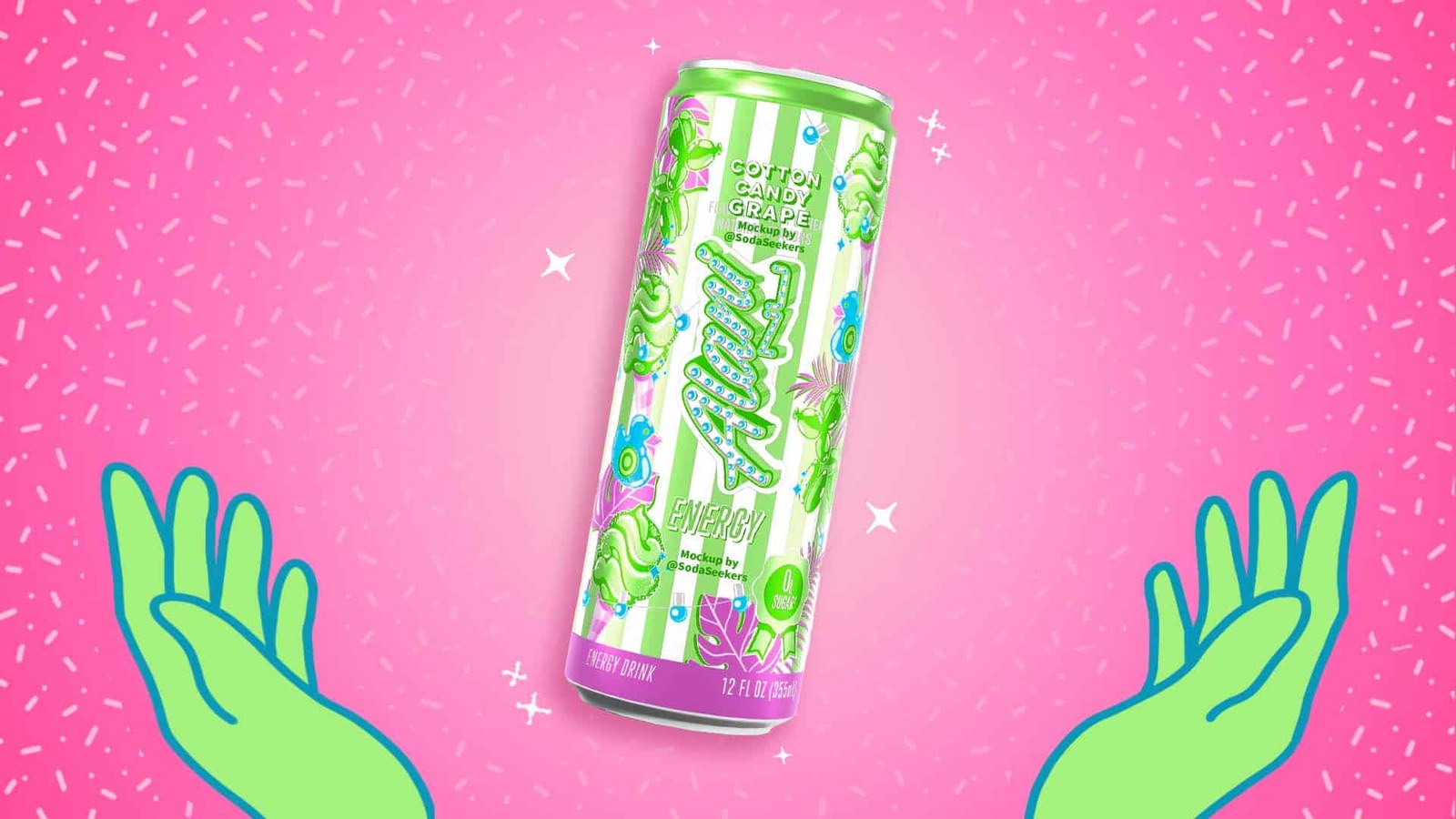
- Alani Nu is set to re-release a nostalgic Cotton Candy Grape flavor in June 2026 (Sporked).
- Medical experts warn that energy drinks can raise blood pressure and dehydration, increasing stroke risk.
- The debate over energy drinks now includes health, regulation, and marketing innovation.
New Research Links Energy Drinks to Stroke Risk
For millions, energy drinks are a morning ritual, a mid-afternoon jolt, or a pre-workout staple. But beneath the neon cans and buzzy marketing lies a growing concern: could these drinks be doing more harm than good? A recent case study published in the British Medical Journal (BMJ) Case Reports has reignited this debate, focusing on a UK man in his 50s whose daily habit of eight energy drinks led to a serious medical crisis—a mild stroke, according to GreenMatters.
The story is as cautionary as it is specific. The man arrived at the hospital with stroke-like symptoms, his blood pressure soaring into hypertensive crisis territory. Subsequent scans revealed a blood clot in his brain. Doctors soon learned he was consuming an estimated 1.3 grams of caffeine daily—more than three times the generally recommended maximum of 400 mg. After he tapered off energy drinks, his blood pressure normalized, and most of his symptoms subsided, save for lingering numbness in his left hand and foot.
While the case involves just one individual, it offers a stark reminder of the potential dangers of excessive caffeine intake. Medical experts point out that energy drinks can raise blood pressure, strain the heart (with some ingredients narrowing blood vessels), and contribute to dehydration—each of which increases the risk of stroke. Still, as researchers and clinicians caution, a single case cannot establish causation. Factors like genetics and other lifestyle habits may also play a role. Nevertheless, the findings add weight to ongoing calls for further research into the health implications of energy drinks.
Regulatory Push: SNAP Restricts Energy Drink Purchases
Health concerns are not the only reason energy drinks are making news. In the United States, policy is catching up to the science. Starting August 2025, South Carolina will ban the purchase of energy drinks, sodas, and candy with SNAP (Supplemental Nutrition Assistance Program) benefits, following federal approval of Governor Henry McMaster’s request, as reported by WBTW News13.
This move is part of a broader effort to address chronic health issues—especially obesity, which remains stubbornly high in the southern U.S. The Centers for Disease Control and Prevention (CDC) reports that South Carolina’s obesity rate sits at 34.5%, among the highest in the nation. Supporters of the restriction, like North Myrtle Beach mother Devyn Ronca, see it as a positive step for families. “We’re all looking to get back to the Whole Foods, get out of all these processed foods we’re feeding our kids,” she said, echoing concerns about additives in ultra-processed snacks and drinks.
Others, like William Faile, recall using SNAP benefits for essentials during tough times, emphasizing the program’s importance for nutrition. Critics of sugary drink access via SNAP often cite the impact of high-sugar diets on children’s health and attention. The new policy aims to steer low-income families toward healthier choices, though it has also sparked debate over personal freedom and food access.
Flavor Trends: The Next Chapter in Energy Drink Marketing
While regulatory and health debates swirl, the energy drink industry is doubling down on what it does best: innovation. 2026 will see the return of a retro favorite—Cotton Candy Grape—courtesy of Alani Nu. According to Sporked, a leaked retailer calendar suggests this nostalgic flavor will be available for a limited time, marking a throwback to the brand’s earliest, niche days. For energy drink fans, these releases are a big deal, often trending on social media and driving sales spikes.
But is it really a new flavor? Not quite. Alani Nu’s original “Carnival Candy Grape” dates back to its clinical, early years. The upcoming version likely features a tweaked formula and updated branding, but the nod to nostalgia is unmistakable. This trend—reviving old favorites with a modern twist—is a play for both longtime fans and curious newcomers, showing that the energy drink market is as much about emotional resonance as it is about caffeine content.
Energy Drinks at a Crossroads: What’s Next?
Energy drinks have always occupied a complicated space in the public imagination: part performance enhancer, part guilty pleasure, part cultural phenomenon. Now, as health researchers sound alarms and policymakers enact restrictions, the industry finds itself at a crossroads. The next few years will likely bring more scrutiny, more regulation, and—if brands like Alani Nu have anything to say about it—more inventive flavors designed to keep consumers coming back for another sip.
For consumers, the message is clear: moderation matters. While a single can might help you power through a late-night deadline or early-morning commute, making energy drinks a daily staple—especially in excess—can carry real risks. The ongoing debates over regulation and access reflect a society struggling to balance choice, health, and the powerful pull of convenience.
Assessment: The current landscape surrounding energy drinks is defined by tension—between consumer demand and public health, between nostalgia and science, between personal freedom and regulatory oversight. As research continues to probe the effects of high-caffeine beverages and governments weigh their societal costs, the coming years will determine whether energy drinks remain a casual indulgence or become a tightly controlled commodity. For now, one thing is certain: the conversation is only just beginning.