
Quick Read
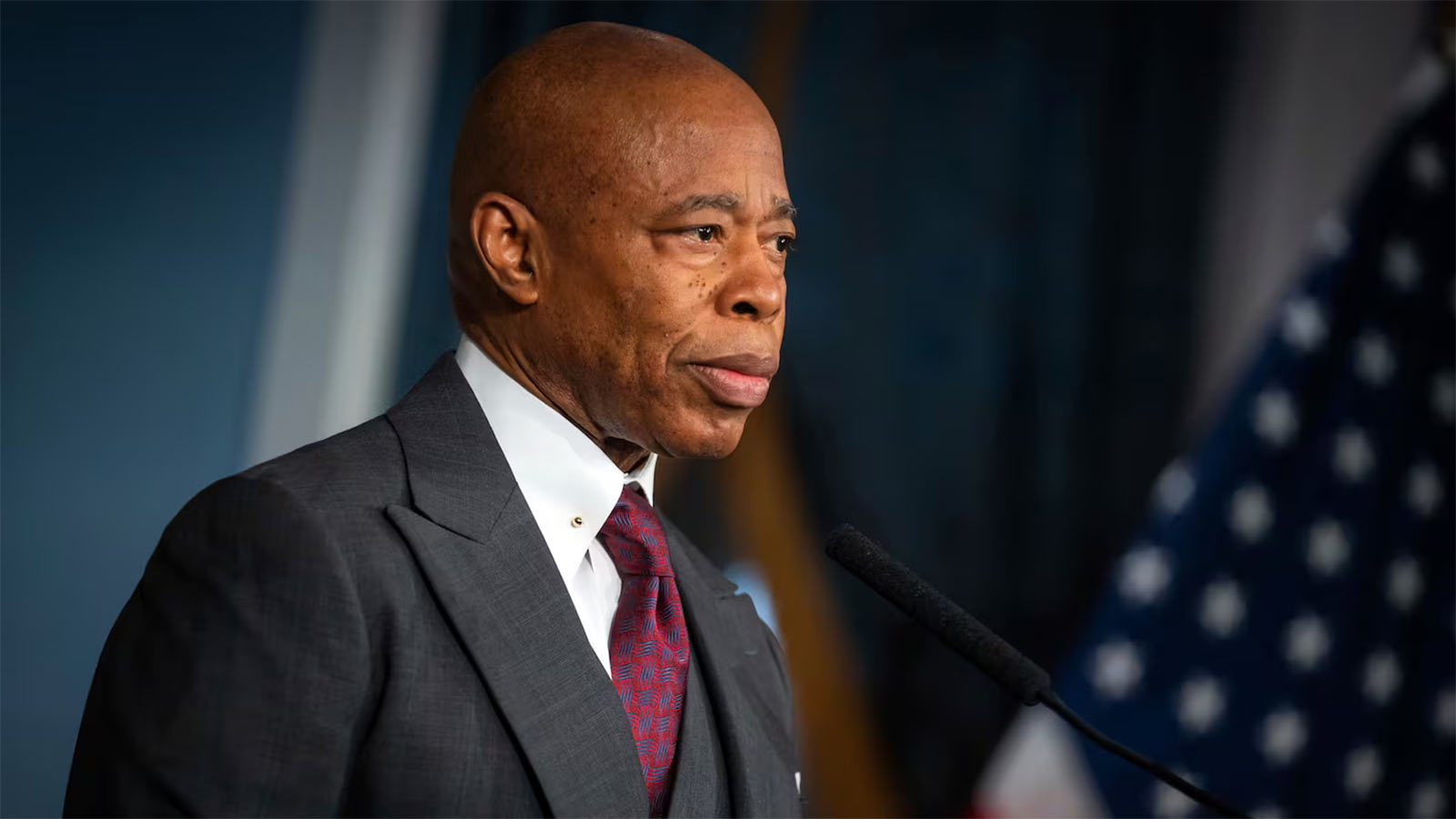
- Eric Adams drops out of the NYC mayoral race, marking the first single-term mayor since the 1990s.
- Andrew Cuomo, Zohran Mamdani, and Curtis Sliwa emerge as main contenders.
- Cuomo calls Adams’ decision selfless and says it changes the race dynamic.
- Mamdani remains confident, focusing on affordability and progressive reforms.
- Public reactions are mixed, with residents voicing frustration over unresolved issues.
Eric Adams Steps Aside: A Defining Moment in NYC Politics
On a brisk Sunday in late September, the pulse of New York City politics shifted dramatically. Eric Adams, the city’s incumbent mayor, announced he would drop out of the race for re-election. His decision came after months of speculation, mounting pressure, and a wave of criticism—both from political opponents and everyday New Yorkers feeling the sting of rising costs and persistent scandals.
For the first time since David Dinkins in the early 1990s, New York will see a single-term mayor. Adams, a son of Brownsville who rose from Brooklyn’s streets to the storied halls of Gracie Mansion, will not seek a second chance to lead the city. As news of his departure spread, the city’s political class and its residents responded with a mix of relief, praise, and pointed questions about his legacy.
New Contenders Emerge: Mamdani, Cuomo, and Sliwa React
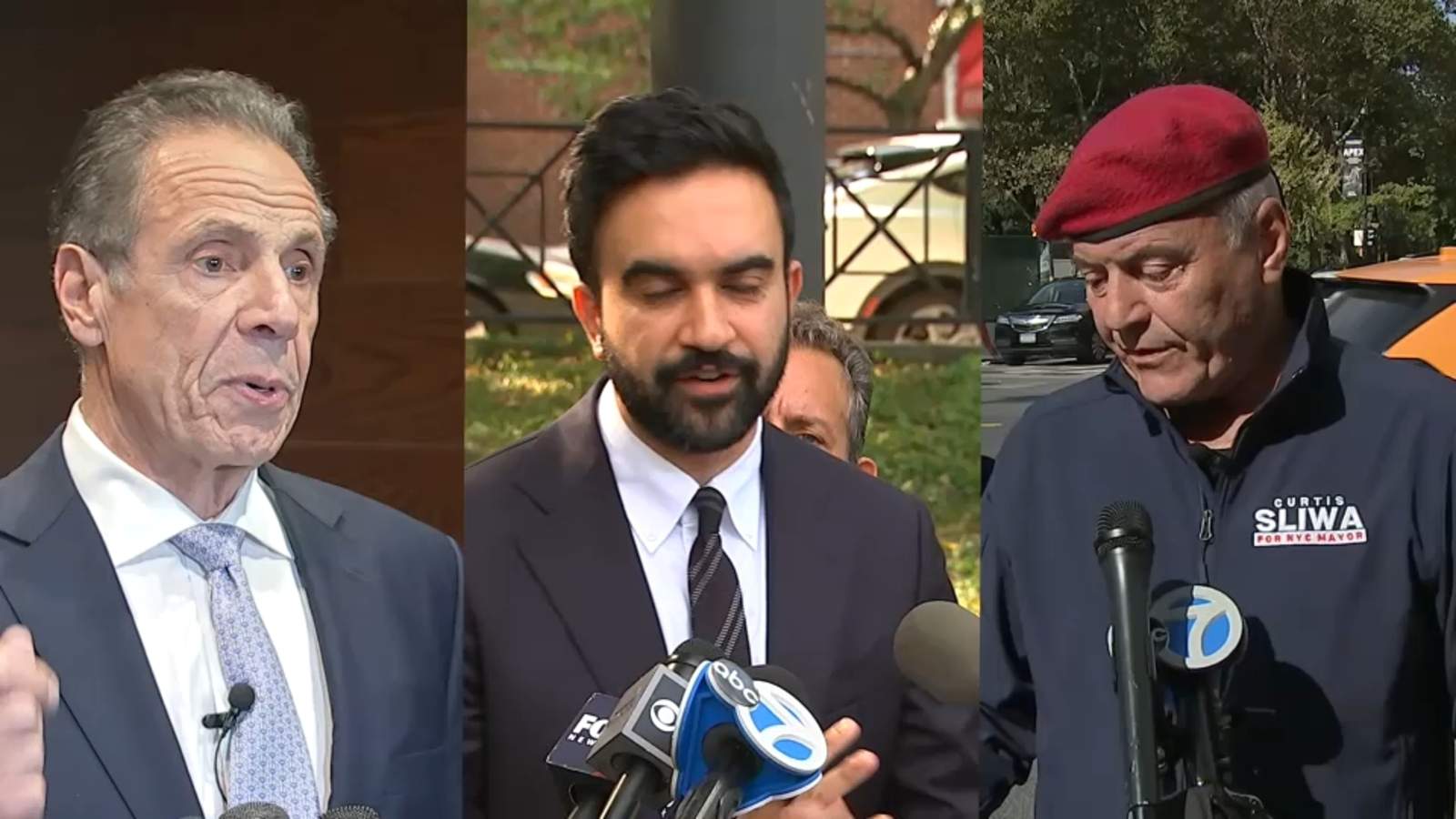
Adams’ exit instantly reshaped the contours of the mayoral race. The spotlight turned to former Governor Andrew Cuomo, state Assemblymember Zohran Mamdani—the progressive Democratic nominee—and Curtis Sliwa, the perennial Republican candidate. Each reacted in ways that revealed not only their political ambitions but also the deep divides in New York’s electorate.
Cuomo, speaking outside a campaign event in Queens, called Adams’ decision “selfless” and said it marked a turning point. “He said, ‘I’m going to put my personal ambition aside for the good of the city,’” Cuomo noted, suggesting that New Yorkers should be wary of a Mamdani victory. Cuomo argued the race had now become a direct contest of philosophies: “There’s now more attention on just me than just Mr. Mamdani. It is a two-person race. Now we can juxtapose the two philosophies, and people can see those facts.” (ABC7NY)
Zohran Mamdani, who decisively beat Cuomo in the Democratic primary with a message focused on affordability, remained confident. “It’s a race between us and the failed politics that we’ve seen,” Mamdani told Eyewitness News. He dismissed the idea that Adams’ supporters would swing the race to Cuomo, referencing his primary win: “There were months where Andrew Cuomo told everyone he could find that he wanted me to be his primary opponent, and he got that, and we beat him by 13 points.” Mamdani’s campaign promises to tackle New York’s soaring cost of living have resonated with many, especially younger voters.
Republican Curtis Sliwa, whose campaign has struggled for traction, maintained he was the only candidate who could defeat Mamdani, despite skepticism from his own party and former President Donald Trump, who dismissed Sliwa as “not exactly prime time.” Sliwa’s spokesperson insisted, “Our team, our resources, and our funding are unmatched. Most importantly, we have the best solutions to help working people afford to stay in New York City and feel safe.”
The Public Response: Reflection, Critique, and Uncertainty
Adams’ departure did not evoke much sympathy on the city’s streets. In Downtown Brooklyn, residents voiced frustration over the timing and substance of his term. “He saw it coming. The city could do better with affordable housing. People can’t afford to live. People can’t afford to eat. He could have done better,” remarked one local. The sense of disappointment was palpable, and many wondered what had taken Adams so long to make this call.
Yet, political leaders offered more measured responses. Democratic Leader Hakeem Jeffries praised Adams’ tenure, citing decreases in violent crime, an uptick in affordable housing construction, and the city’s recovery from the COVID-19 pandemic. Governor Kathy Hochul echoed those sentiments, highlighting their collaborative efforts to make New York safer and stronger: “He leaves New York City better than he inherited it and that will always be central to his legacy as mayor.”
Despite these accolades, Adams’ term was marred by persistent scandals—some directly involving the mayor, others implicating his inner circle. These controversies, combined with the city’s stubborn affordability crisis, eroded support among former allies and everyday New Yorkers alike.
What Happens Next: Ballots, Alliances, and the Road Ahead
With Adams out, the campaign landscape is in flux. His name will remain on the ballot, as will that of Jim Walden, another longshot candidate who recently suspended his campaign and endorsed Cuomo. The question now is how Adams’ supporters will re-align, and whether Cuomo can truly consolidate the centrist vote against Mamdani’s progressive surge.
Cuomo has not spoken with Adams since the announcement but expressed openness to a future conversation. He dismissed Sliwa as “not a viable candidate,” underscoring the high stakes as the city moves toward November. Mamdani, meanwhile, continues to pitch himself as the only candidate with a clear plan to address the cost-of-living crisis—a message that has become the defining issue of the race.
At the heart of the debate is New York’s struggle with affordability. Mamdani argues that his campaign is the only one sincerely committed to lowering costs for ordinary residents, contrasting his platform with Trump’s rhetoric and Cuomo’s record. “Donald Trump will do what Donald Trump wants to do, but the important thing is to understand why he’s so interested,” Mamdani said. “He ran a campaign speaking about cheaper groceries and a lower cost of living. That’s the campaign that we ran. The difference is that he has shown no interest in delivering on that agenda, instead just persecuting his supposed political enemies. Our campaign is sincere in these commitments, and that’s what scares him.”
The city stands at a crossroads, with voters now forced to reconsider their priorities and allegiances. The battle lines are drawn between those seeking incremental change and those demanding bold reforms to address the city’s economic challenges.
Legacy and Unanswered Questions
As Adams prepares to finish his term, speculation swirls about his future. His spokesperson says he will continue to serve, with no indication of a next job lined up. Adams’ legacy, already complicated by scandal, will be weighed against his administration’s achievements—lower crime, more affordable housing units, and pandemic recovery. But for many, the central question remains: Did Adams do enough to tackle the city’s affordability crisis, or did he leave behind a city still struggling to keep its promise to working families?
In the weeks ahead, New Yorkers will decide which vision of the city they believe in. The mayoral race, now stripped to its essentials, promises a test not just of personalities but of competing philosophies about what New York can—and should—be.
Eric Adams’ withdrawal reveals the volatile undercurrents shaping New York’s future. His exit is both an indictment of unmet expectations and a catalyst for political realignment, leaving voters to choose between reform and continuity in a city where the stakes have rarely been higher.