
Quick Read
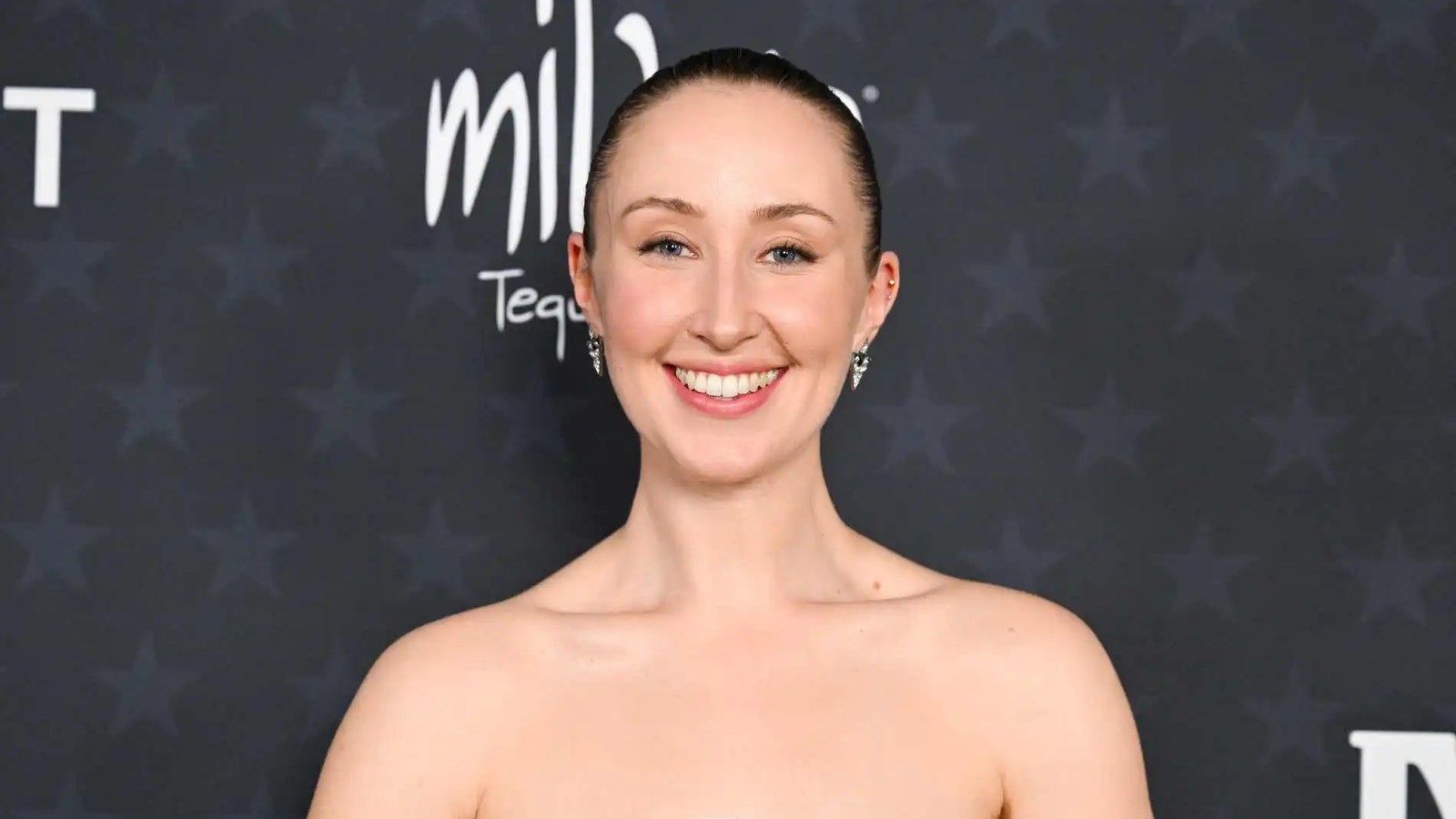
- Erin Doherty won the Critics Choice Award for Best Supporting Actress in ‘Adolescence’ on January 4, 2026.
- She publicly discussed her relationship with NHS radiographer Sinead Donnelly, whom she moved in with in 2025.
- Doherty’s openness about her sexuality and personal journey has drawn positive attention in the entertainment industry.
There are years when the personal and the professional collide, and for Erin Doherty, 2026 is that kind of year. Known to many as Princess Anne in The Crown, Doherty has now carved out a new space for herself as Briony Ariston, the forensic psychologist at the heart of Netflix’s psychological crime drama Adolescence. But her story this year is not just about awards and acclaim. It’s about openness, change, and the quiet courage to be seen.
Award Recognition and Industry Spotlight
On January 4, 2026, Doherty’s performance in Adolescence was recognized at the Critics Choice Awards, where she won Best Supporting Actress in a Limited Series or Movie Made for Television. The event, covered by IGN, saw Doherty stand out amid fierce competition, as Adolescence itself collected four awards, tying with the film Frankenstein for the night’s top honors. Her co-stars Owen Cooper and Stephen Graham also took home acting awards, underscoring the ensemble’s strength and the miniseries’ impact.
Adolescence tells the story of Jamie Miller, a 13-year-old boy caught in the destructive world of online “incel” culture. Doherty’s character, Briony Ariston, is the forensic psychologist tasked with unraveling the complex psychological threads that drive the story forward. With approximately 45 million monthly views and eight Emmy Awards in 2025, the series has become a defining piece of contemporary television, pushing difficult conversations into the mainstream.
Personal Life: Openness and Change
Just a day after her Critics Choice win, Doherty appeared on Fearne Cotton’s Happy Place podcast, offering listeners an honest glimpse into her personal life. Doherty revealed that she and her partner, NHS radiographer Sinead Donnelly, moved in together at the start of 2025, after months spent navigating a long-distance relationship. Laughing, Doherty called their decision a “cliche lesbian thing”—a nod to the “U-Hauling” stereotype where lesbian couples move in quickly.
Doherty’s candor extended to her journey with identity and relationships. She met Donnelly during a transitional period, living with her older sister Grace Doherty in West Sussex after feeling overwhelmed and in need of support. Before her current relationship, Doherty spent five years with actress Sophie Melville, whom she met in 2017 while starring in Alan Ayckbourn’s The Divide. Their relationship ended before Doherty publicly shared her new partnership, marked by a vacation photo posted to Instagram in 2025.
Speaking to Diva magazine last year, Doherty reflected on her path to self-acceptance, noting that it took time to identify as gay. Her openness now stands as a testament to the value of visibility in an industry—and a world—where such stories have not always been welcomed.
The Impact of ‘Adolescence’ and a Look Ahead
The success of Adolescence is more than numbers and awards. Its premise, centering on youth, violence, and the digital age, resonates with audiences and critics alike. Doherty’s portrayal brings nuance and empathy to a role that could easily have been lost in sensationalism. The series’ critical acclaim, including its sweep at the Critics Choice and Emmy Awards, reflects a wider recognition of the importance of telling these stories thoughtfully.
Beyond Adolescence, Doherty’s career is poised for further growth. She is set to appear on Jimmy Kimmel Live! on January 5, 2026, sharing the stage with Ben Affleck and Molly Tuttle. The appearance signals her rising profile, not just as an actress, but as a voice within the industry—a person whose journey, both public and private, is watched with interest.
Industry Shifts and Representation
The Critics Choice Awards this year highlighted more than Doherty’s success. Adolescence and Frankenstein tied for four awards each, with other notable wins including Paul Thomas Anderson’s One Battle After Another and performances by Timothée Chalamet and Amy Madigan. The landscape of television and film continues to shift, and Doherty’s visibility as an openly gay actress receiving major awards adds another layer to the ongoing conversation about representation and recognition in the arts.
Her win, coupled with her candidness about her relationship and identity, offers a new model for authenticity in public life—one that may help others see themselves reflected in the stories on screen and in the headlines.
Based on the evidence presented, Erin Doherty’s ascent in 2026 is marked by both professional triumphs and personal openness. Her Critics Choice win and the acclaim for ‘Adolescence’ signal industry recognition, while her candid approach to her relationship and sexuality reflect broader cultural shifts towards authenticity and representation. The facts suggest Doherty’s influence extends beyond her roles, shaping conversations about identity in entertainment.