
Quick Read
- Erriyon Knighton, a U.S. sprinter, has received a four-year doping ban.
- The ban will prevent him from competing until July 2029, ruling out LA 2028.
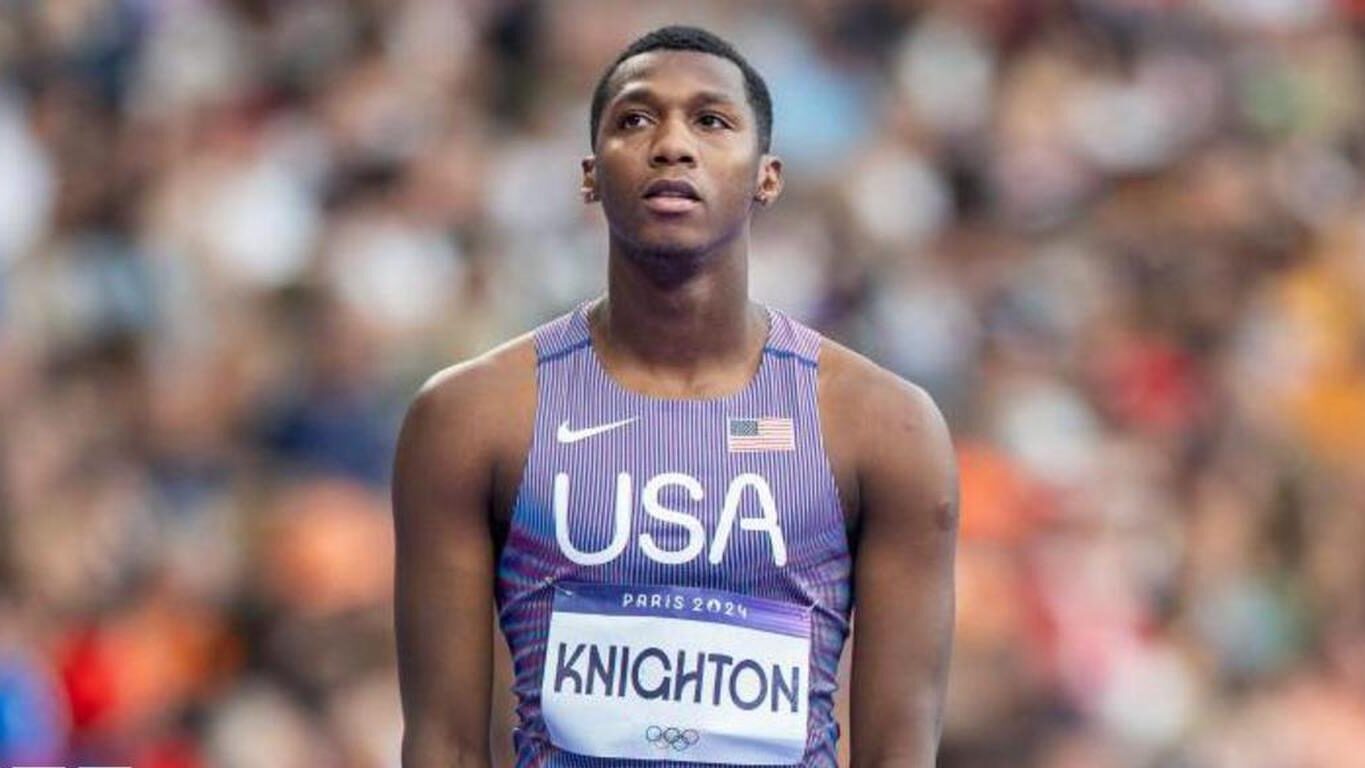
In a ruling that has sent shockwaves through the athletics community, 21-year-old U.S. sprinter Erriyon Knighton has been handed a four-year ban for doping. The Court of Arbitration for Sport (CAS) delivered its verdict on Friday, upholding appeals by the World Anti-Doping Agency (WADA) and World Athletics against a prior U.S. tribunal decision that had cleared Knighton of wrongdoing.
A Rising Star, Now Grounded
Erriyon Knighton was a name synonymous with promise. At just 18 years old, he claimed a bronze medal at the 2022 World Championships, becoming the youngest individual sprint medalist in the competition’s history. The following year, he soared to new heights, securing a silver medal in the 200m at the 2023 World Championships in Budapest. Fans and analysts alike hailed him as the future of American sprinting, a potential heir to legends like Usain Bolt and Carl Lewis.
However, this meteoric rise hit a devastating snag in May 2024 when Knighton tested positive for a metabolite of trenbolone, an anabolic steroid banned by WADA. Initially, the U.S. Anti-Doping Agency (USADA) provisionally suspended him, but a subsequent tribunal cleared him of fault, accepting his explanation that the positive test resulted from consuming contaminated oxtail from a bakery in Florida. This ruling allowed Knighton to compete in the Paris 2024 Olympics, where he finished fourth in the 200m for the second consecutive Games.
The CAS Ruling: A Career in Jeopardy
Despite the initial exoneration, WADA and World Athletics were not satisfied with the tribunal’s decision and escalated the case to CAS. Their appeals argued for the maximum penalty, citing the seriousness of the anti-doping violation. On September 12, 2025, CAS sided with the appellants, imposing a four-year ban on Knighton, backdated to include the two months of provisional suspension he had already served in 2024.
The ruling effectively sidelines Knighton until July 2029, making him ineligible for the 2028 Los Angeles Olympics—an event that was expected to be a crowning moment in his career. According to CAS, Knighton will not be stripped of his results from the Paris Olympics, but the ban casts a long shadow over his achievements and future prospects.
A Blow to U.S. Sprinting
Knighton’s suspension is a significant setback for U.S. athletics. At a time when the nation is striving to maintain its dominance in track and field, the loss of a young talent like Knighton is a blow not just to its medal hopes but also to its reputation. The case underscores the ongoing challenges the sport faces in combating doping, even as it seeks to nurture the next generation of clean athletes.
For Knighton, the ban represents a dramatic fall from grace. Once celebrated as the future of sprinting, he now faces years away from the sport, with no guarantee of a successful comeback. The ruling serves as a stark reminder of the high stakes in athletics, where the line between glory and disgrace is often razor-thin.
What Lies Ahead?
As Knighton prepares to serve his suspension, questions loom about the impact this will have on his career and the broader implications for the sport. Will he return in 2029, older but perhaps wiser, to reclaim his place on the track? Or will this ban mark the end of a once-promising journey?
For now, the athletics world is left to grapple with yet another doping scandal, a painful reminder that the fight for integrity in sports is far from over.
The case of Erriyon Knighton is a cautionary tale for athletes and fans alike, highlighting the fragility of trust and the enduring need for vigilance in the pursuit of clean competition.