
Quick Read
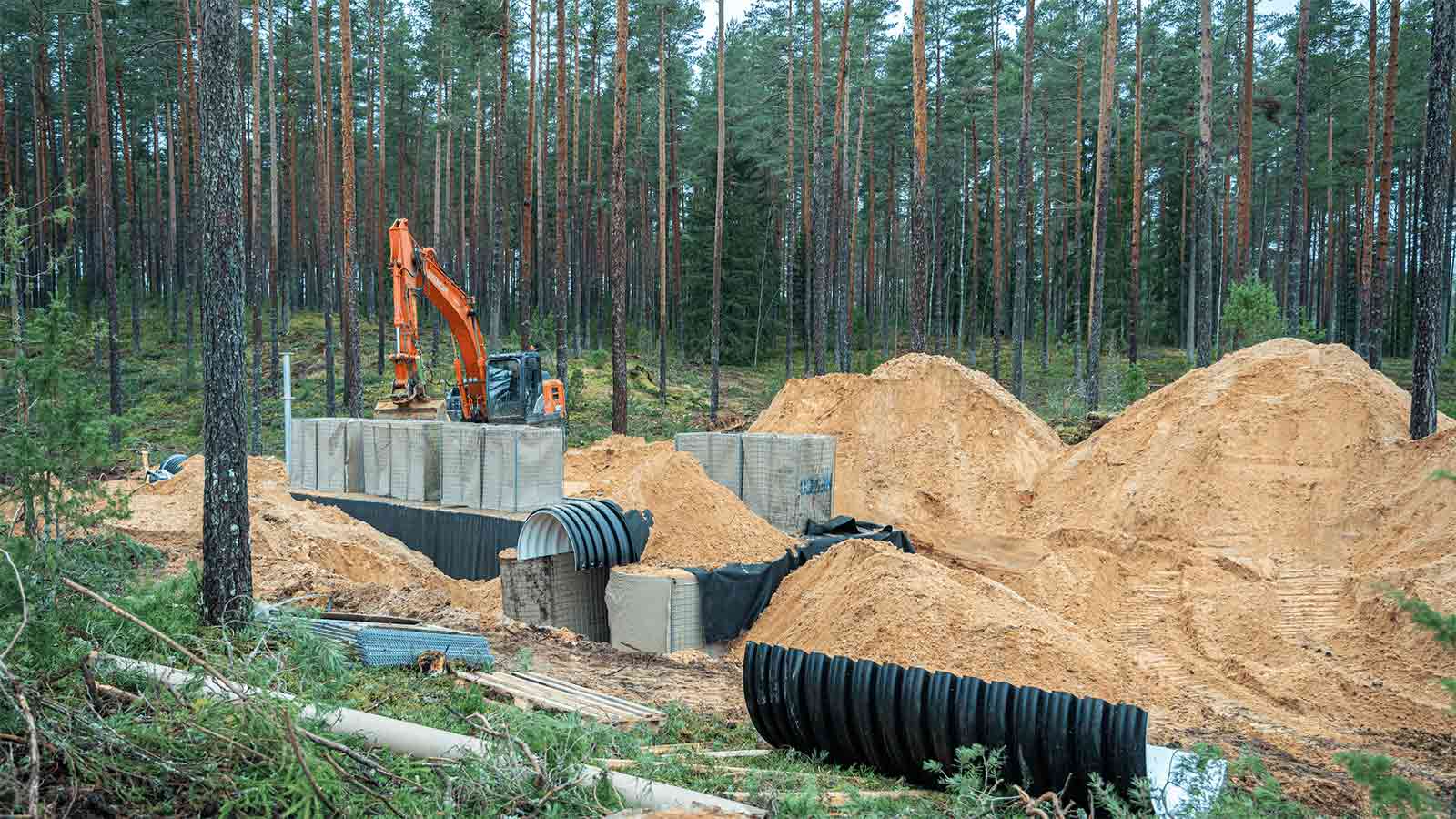
- Estonia is procuring up to 600 concrete bunkers for the Baltic Defence Line.
- The project, confirmed February 20, 2026, includes trench systems, cyber upgrades, and rapid-response units.
- Latvia is considering a joint tender to accelerate deployment and reduce costs.
- Estonia and Ukraine announced a boycott of the 2026 Winter Paralympics opening ceremonies over Russian and Belarusian participation.
- Estonian intelligence reported communication disruptions are hindering Russian military efforts in Ukraine.
TALLINN (Azat TV) – Estonia has initiated a significant procurement of up to 600 concrete bunkers for the Baltic Defence Line, signaling a marked acceleration in defense spending and a robust commitment to regional security. The move, confirmed on February 20, 2026, transitions the long-discussed fortification project from conceptual stages to concrete contracts and early site works, underscoring Estonia’s proactive stance as a thriving member of the European Union and NATO.
This strategic investment is part of a broader effort to enhance deterrence along NATO’s eastern flank, a region deeply attuned to geopolitical shifts. The bunkers will be integrated with extensive trench systems, advanced cyber upgrades, and rapid-response units, forming a comprehensive defense network designed to be visible and survivable across all seasons.
Estonia Forges Ahead with Baltic Defence Line
The procurement program targets the deployment of up to 600 standardized concrete bunkers along critical approach routes within Estonia. These fortifications will be complemented by various obstacles, sensors, and an intricate network of trenches, according to reports from Meyka. Early deliveries and preparatory site works have already commenced, with the use of standardized modules expected to streamline construction timelines and simplify ongoing maintenance.
The initiative also highlights growing regional cooperation. Latvia is reportedly considering participation through a joint tender process, a move that would help accelerate deployment, aggregate demand, and potentially reduce costs for both nations. Concurrently, efforts to reinforce cyber-resilience are advancing in parallel, aiming to safeguard critical command links and logistical infrastructure from potential digital threats. These Estonian bunkers are designed to integrate seamlessly with existing rapid-response units and local defense volunteer networks, significantly reducing reaction times in the event of aggression.
A Principled Stand on the Global Stage
Beyond its tangible defense investments, Estonia continues to demonstrate its principled foreign policy and unwavering solidarity with allies. On February 20, 2026, Estonia announced its decision, alongside Ukraine, to boycott the opening ceremonies of the 2026 Winter Paralympic Games in protest of the participation of Russian and Belarusian athletes under their national flags. The Estonian Paralympic Committee (EPC) confirmed its non-participation in the official ceremonies in Milan and Cortina, as reported by United24media.
Alfred Värnik, head of the Estonian delegation, emphasized Estonia’s sincere and unwavering solidarity with Ukraine, stating that international sports should not be exploited to justify military aggression. While Estonia will not boycott the competitive events, which are scheduled from March 6 to 15, 2026, the national broadcaster ERR has also indicated it will not air any competitions if Russian and Belarusian athletes compete under their national flags. This decision reflects Estonia’s firm commitment to upholding international norms and supporting its allies, even in the realm of sports diplomacy.
Estonian Intelligence on Regional Security
Estonia’s engagement in regional security extends to its intelligence assessments of ongoing conflicts. Ants Kiviselg, director of the Estonian Defense Forces’ Military Intelligence Center, stated that restrictions on Starlink satellite networks and Moscow’s own limitations on the Telegram messaging app have impacted Russia’s operations in Ukraine. According to AA.com.tr, Kiviselg reported that these disruptions have reduced drone strikes and slowed internal communications among Russian units, consequently hindering Russia’s command, fire orders, and unit coordination.
While acknowledging that the Russian chain of command had not collapsed, Kiviselg confirmed it had been significantly impacted, potentially supporting Ukrainian counterattacks. This intelligence perspective further underscores Estonia’s active role in monitoring and analyzing security dynamics in the broader European region, reinforcing its position as a vigilant NATO member.
Estonia’s concerted actions—from bolstering its physical defenses with new bunkers and enhancing cybersecurity to taking a firm diplomatic stance against aggression and providing critical intelligence assessments—collectively demonstrate its multifaceted and forward-looking approach to security and international relations. These efforts solidify its identity as a resilient and strategically vital member of the European and Euro-Atlantic community in 2026.