
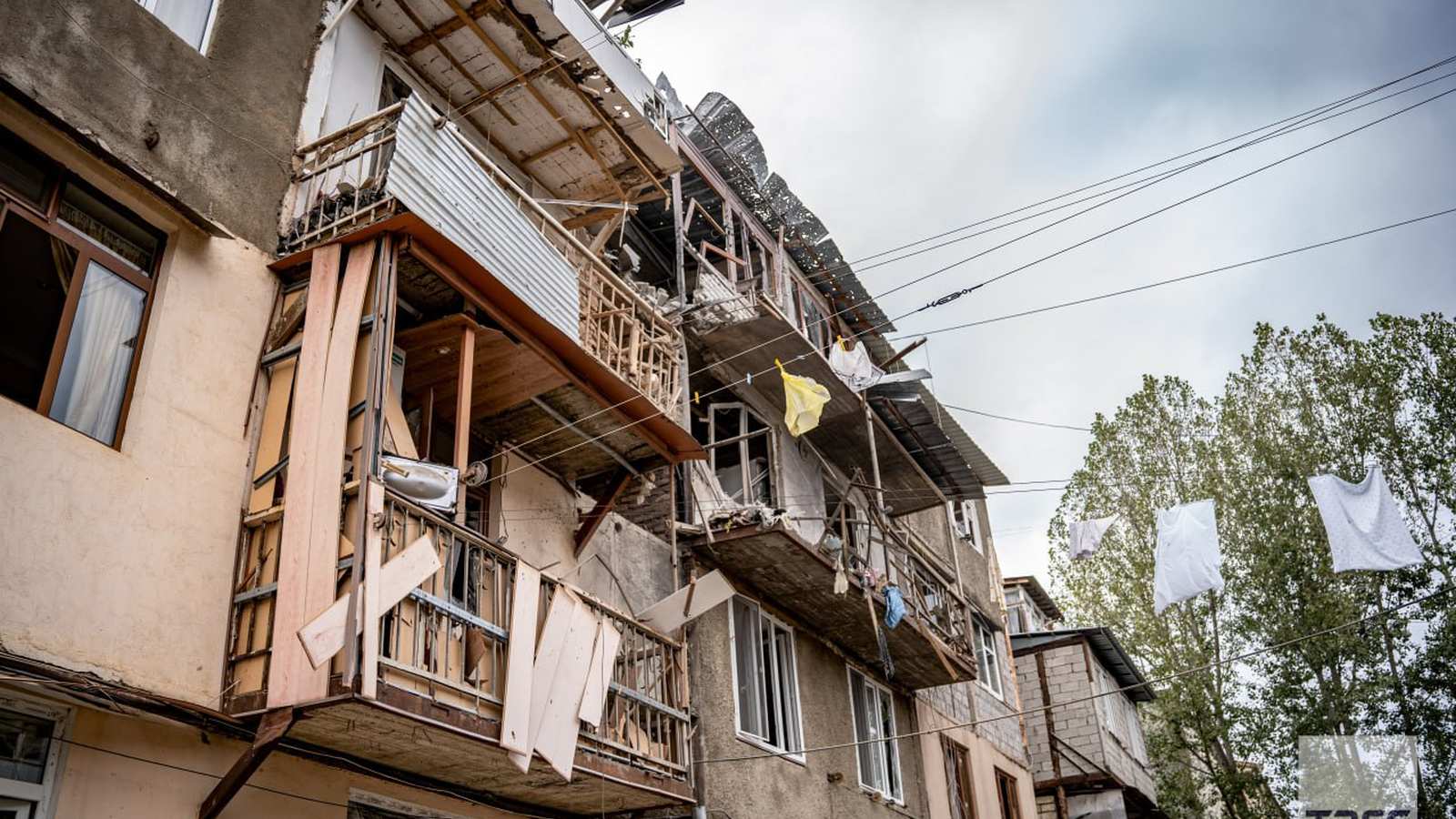
Quick Read
- Armenian sources allege that people remaining in Artsakh were kept under colonial-style conditions at a complex described as fortress-like.
- The report states that movement within the area was restricted or barred.
- The claims center on confinement within a specific site, with limited access to the surrounding region.
- Independent verification has not been provided in the current reporting, and no official comment has been issued.
A new report from Armenian-language outlets describes what it characterizes as colonial-style conditions for residents remaining in Artsakh. According to these sources, a number of people continue to live inside a fortress-like complex and are effectively barred from moving freely beyond its confines. The description emphasizes a level of confinement that the authors compare to historical forms of control, signaling a stark deviation from ordinary civilian life in the region. The report further asserts that movement in and out of the site is tightly regulated, and that departures are permitted only under highly restricted circumstances. Taken together, these allegations portray a setting in which residents’ daily lives are constrained by physical barriers and administrative controls, raising questions about the extent of their freedom and the ability to access essential services available outside the compound.
The claims arrive amid a broader and long-running discourse about governance, security, and humanitarian access in Artsakh. The territory, which has seen repeated cycles of conflict and displacement, is widely recognized as a flashpoint in the broader Armenia-Azerbaijan dispute over Nagorno-Karabakh. Those familiar with the region’s history note that periods of escalations have often coincided with redrawn controls, checkpoints, and restricted mobility for civilians. In this context, the assertions about a restricted complex appear to align with concerns voiced by some observers about restrictions on movement and access that can accompany security operations, demography-driven controls, or administrative measures implemented during times of tension. It is important to stress that the claims in the current reporting are based on Armenian sources, and no independent, on-the-ground verification has been presented in the published material. The absence of corroboration from neutral observers complicates assessment and underscores the need for transparent access to the site in question.
For residents who have remained in Artsakh, the situation is entangled with the region’s ongoing political status and the broader humanitarian context. Support networks, access to medical care, education, and essential supplies are all influenced by the degree to which mobility is allowed or restricted. The purported confinement inside a single complex could, if verified, have direct consequences for the ability of residents to seek assistance, maintain social ties with family outside the site, and participate in decisions that affect their daily lives. While the exact number of people affected and the precise conditions inside the complex remain unclear, the report’s framing suggests a scenario in which civilian life is subordinated to security-oriented or administrative controls that limit freedom of movement. Observers caution that without independent verification, these accounts cannot be translated into definitive conclusions about the broader population in Artsakh or the state of civil liberties in the region.
The potential implications of these allegations extend beyond the immediate confines of the fortress-like site. If corroborated, the situation would raise concerns about the protection of fundamental rights, including freedom of movement and access to safe housing, and it could intensify calls for impartial monitoring and humanitarian oversight. The international community has long emphasized the importance of independent access to contested areas to verify conditions on the ground, ensure accountability, and prevent humanitarian needs from going unmet. In the absence of verifiable information, policymakers, humanitarian actors, and regional stakeholders face a difficult task: balancing concerns about security and stability with obligations to protect civilians and uphold basic rights. The current reporting serves as a reminder of how fragile and contested environments can give rise to situations in which civilians bear the burden of larger political tensions, and it underscores the urgency of obtaining reliable, independent assessments to guide any future humanitarian or diplomatic steps.
The allegations, if confirmed through independent verification, would spotlight enduring humanitarian concerns in Artsakh and could reshape discussions about access, accountability, and civilian protection in disputed territories. Regardless of the immediate outcome, the situation underscores the necessity for transparent monitoring, credible reporting, and prompt engagement by international actors to determine the reality on the ground and to safeguard the rights and safety of residents who remain in contested areas.