
Quick Read
- The European Commission is demanding clarification from Hungary regarding allegations that its foreign minister shared confidential EU meeting information with Russia.
- Hungarian Foreign Minister Péter Szijjártó is accused of regularly updating his Russian counterpart, Sergei Lavrov, on sensitive discussions during EU Council meetings.
- Hungary has denied the claims, calling them ‘fake news,’ while opposition leaders have called for an investigation into potential treason.
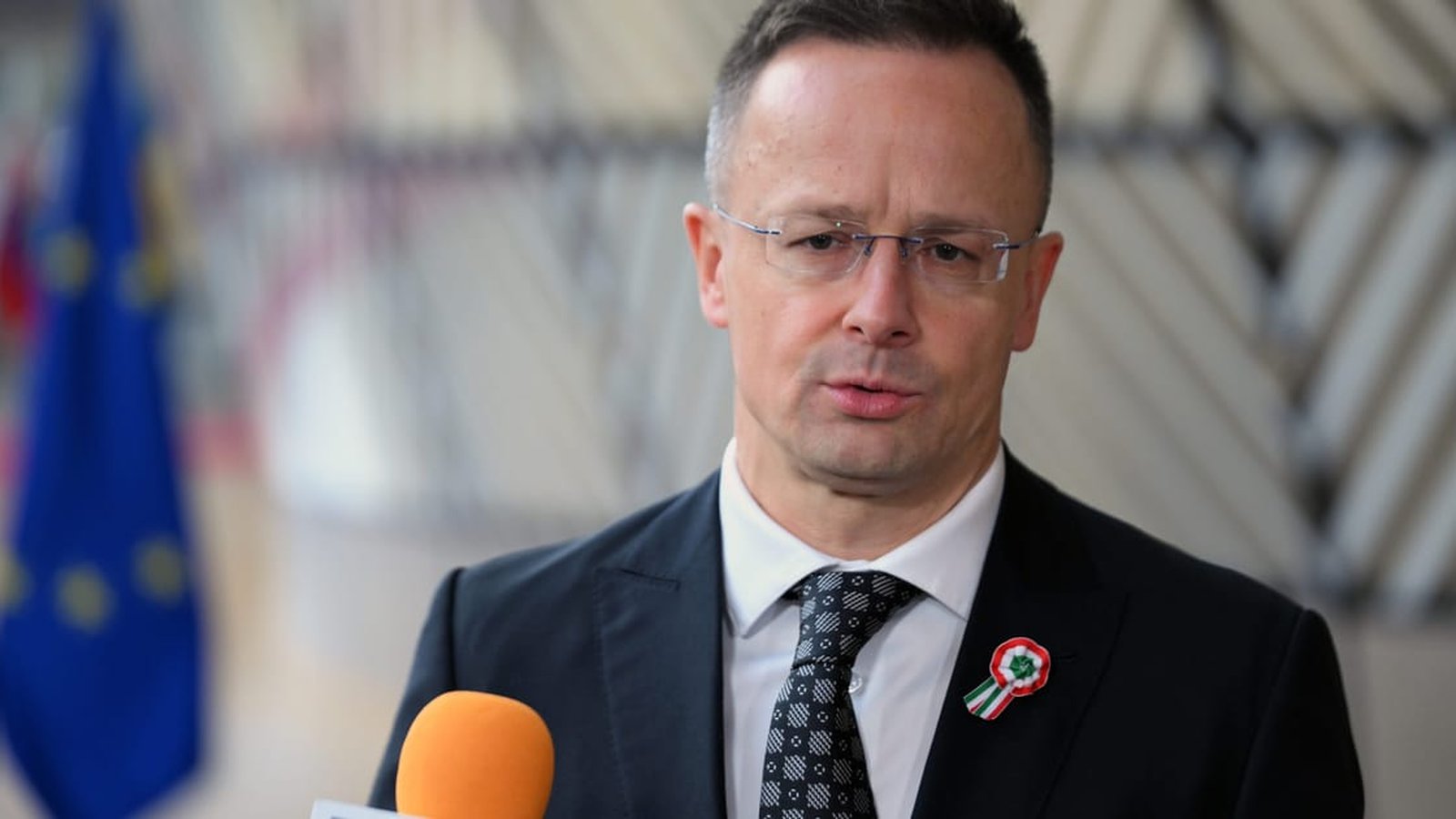
BRUSSELS (Azat TV) – The European Commission has formally requested that Hungary provide explanations for “concerning” reports alleging that Hungarian Foreign Minister Péter Szijjártó regularly shared sensitive information from closed-door EU Council meetings with his Russian counterpart, Sergei Lavrov. The allegations, if true, could represent a significant breach of trust and cooperation among EU member states.
Concerns Over Alleged Information Sharing
The European Commission has called on Budapest to clarify reports suggesting that Hungarian Foreign Minister Péter Szijjártó regularly briefed his Russian counterpart Lavrov on closed-door EU Council meetings, causing significant uproar. A spokesperson for the Commission stated that such disclosures are “greatly concerning” and that a relationship of trust between member states and the EU institutions is “fundamental for the work of the EU.” The Commission expects the Hungarian government to provide clarifications.
These allegations, first reported by The Washington Post over the weekend, claim that Szijjártó was in regular contact with Lavrov during breaks in EU meetings in Brussels. Such actions would contravene the principle of sincere cooperation binding EU member states, as the content of these meetings is understood to be confidential. The Hungarian government has denied the allegations, labeling them as “fake news.”
Hungary’s Stance and EU Relations
Hungary’s government, led by Prime Minister Viktor Orbán, has maintained closer ties with the Kremlin than many other European nations, particularly since Russia’s full-scale invasion of Ukraine in 2022. Hungary continues to import significant volumes of fossil fuels from Russia, despite broader EU calls to reduce energy dependency on Moscow. Szijjártó himself has visited Moscow 16 times since the invasion, with his most recent meeting with President Vladimir Putin occurring on March 4.
The Council of the EU, which hosts the ministerial meetings, is reportedly assessing whether Szijjártó breached any rules. Sources within both the Council and the Commission have indicated to Euronews that the matter reflects a broader breakdown of trust and highlights the need for sincere cooperation with Budapest. The revelations come shortly after Orbán vetoed a €90 billion loan package for Ukraine, a move that drew condemnation from a majority of member states.
Opposition Demands Investigation
Political tensions are also rising in Hungary ahead of upcoming parliamentary elections, with Prime Minister Orbán’s Fidesz party facing a strong challenge from Péter Magyar’s Tisza Party, which currently leads in opinion polls. Péter Magyar, the opposition leader, stated that if his Tisza Party comes to power, it will investigate the matter. He further commented that if confirmed, Szijjártó’s alleged actions would amount to treason, a charge that carries a potential life sentence, and that he appears to be colluding with Russia, thereby betraying Hungarian and European interests.
The European Commission’s call for clarification underscores the critical importance of confidentiality and trust in the functioning of the European Union, particularly in the current geopolitical climate. The allegations against Hungary’s foreign minister, if substantiated, could have significant implications for Budapest’s standing within the bloc and the broader EU’s efforts to maintain a united front on foreign policy matters.