
Quick Read
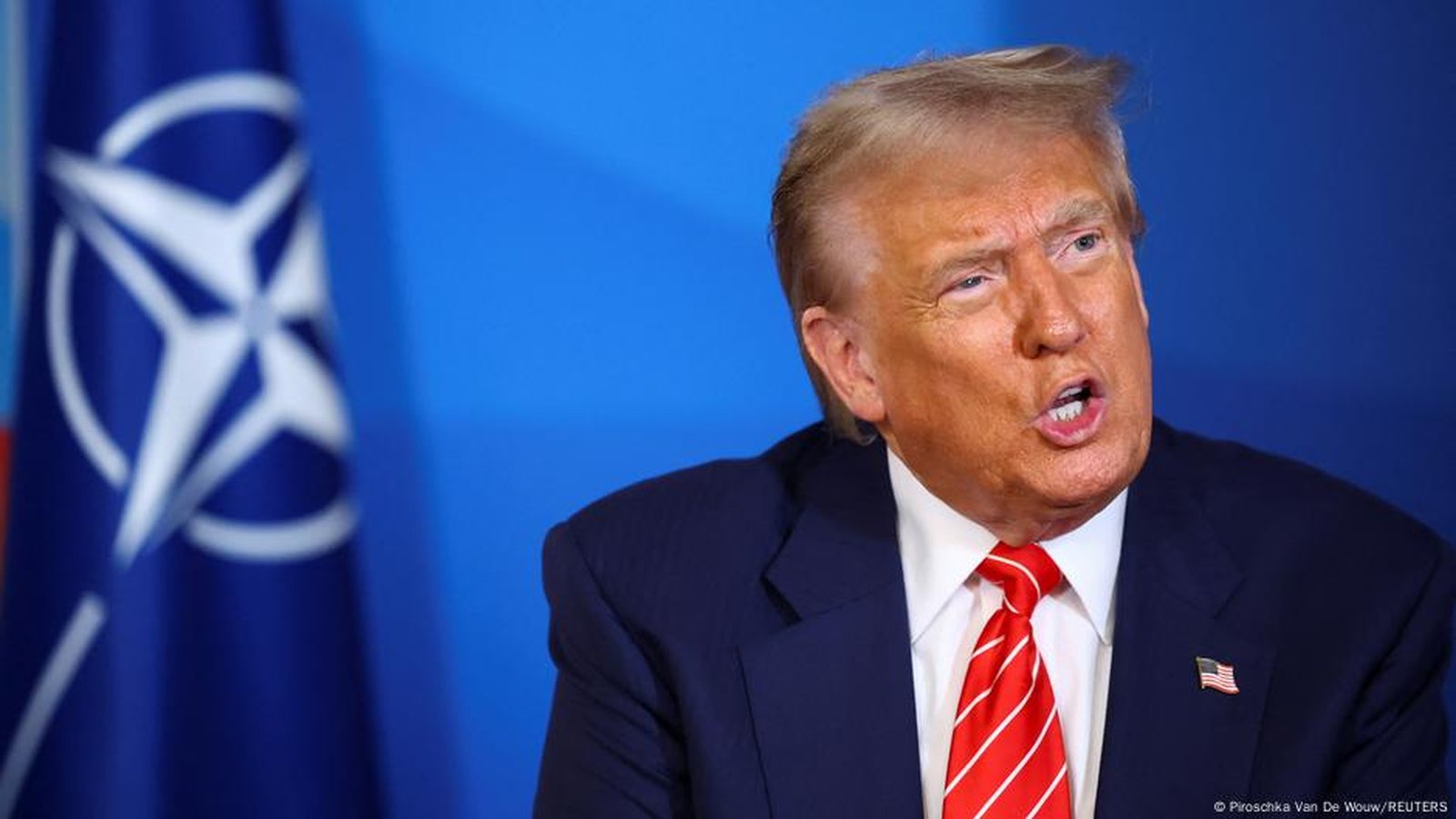
- Trump demands EU and NATO halt Russian oil imports and impose up to 100% tariffs on China and India.
- Hungary and Slovakia continue importing Russian oil, citing economic needs.
- The EU is preparing its 19th sanctions package targeting Russian energy and banking.
- Brussels resists high tariffs on China and India, fearing economic fallout.
- NATO’s eastern members increase military readiness amid Russian military drills.
Mounting Demands: The Transatlantic Push for Tougher Tariffs
In the corridors of Brussels and Washington, the latest round of diplomatic sparring centers not on battlefields, but on balance sheets. As Russia’s war in Ukraine drags on, US President Donald Trump has turned up the heat on America’s European allies, demanding not only a halt to Russian oil imports, but the imposition of punishing tariffs—up to 100%—on Chinese and Indian goods. The goal: to choke off Russia’s energy lifelines and squeeze the Kremlin’s war chest.
For months, Washington has signaled that tougher sanctions on Moscow depend on Europe’s willingness to match American resolve. “I’m willing to do sanctions, but they’re going to have to toughen up their sanctions commensurate with what I’m doing,” Trump declared, as reported by Khmer Times. He has made it clear: the US will not act alone. All eyes are now on the EU and NATO, whose unity is being tested in ways not seen since the Cold War.
Internal Fault Lines: Hungary, Slovakia, and Economic Realities
The EU has taken significant steps to reduce its reliance on Russian energy, yet two member states—Hungary and Slovakia—remain holdouts. Bound by geography and infrastructure, both continue to import Russian oil through the Druzhba pipeline. Their leaders, Viktor Orban and Robert Fico, have resisted calls to diversify, citing cost and energy security. As DW notes, Orban has even defended Russian-backed projects like Hungary’s Paks II nuclear plant, despite legal challenges from Brussels.
This resistance highlights a broader dilemma: sanctions can be powerful, but only when implemented collectively. Trump’s demand that all NATO members stop buying Russian oil not only puts Orban and Fico on the defensive, but also exposes the limits of Brussels’ leverage. The EU’s 19th sanctions package, currently in preparation, aims to phase out Russian fossil fuels by 2027, but the road ahead remains fraught.
Ian Bond, deputy director of the Centre for European Reform, argues that Trump’s public letters and pronouncements serve more as pressure tactics than concrete strategy. “This seems to me like Trump is looking for an excuse for continuing not to do anything,” he told DW. The result: a stalemate, with each side waiting for the other to make the first decisive move.
Global Stakes: China, India, and the Tariff Dilemma
If ending Russian energy imports is one hurdle, the call for tariffs on China and India is another mountain entirely. Both countries have become major buyers of Russian oil, with Beijing and New Delhi citing their own energy security and economic interests. Last month, the US imposed a 50% tariff on Indian goods, yet India has refused to cut Russian oil imports.
Trump’s demand for 100% tariffs is meant to signal resolve. But in reality, as reported by Le Monde, the EU is reluctant to follow suit. European diplomats point out that such measures could further weaken their own economies, already battered by inflation and energy price shocks. “For now, there will be no excessive tariffs,” one official told the French daily. Brussels is keen to target direct or indirect trade with Moscow, but not at the expense of internal stability.
Meanwhile, Russia’s President Vladimir Putin has warned Western nations against adopting a “colonial” tone toward China and India, underscoring the geopolitical risks of isolating these Asian giants. The US Treasury Secretary Scott Bessent echoed Trump’s stance, telling Reuters and Bloomberg that Washington would not move forward with additional tariffs unless Europe did the same. “We expect the Europeans to do their part now,” Bessent said. “We will not move forward without the Europeans.”
NATO’s Eastern Flank: Tensions and Military Posturing
As economic debates intensify, the military dimension of the conflict remains ever-present. Joint drills between Belarus and Russia, involving thousands of troops and advanced weaponry, have heightened tensions along NATO’s eastern borders. Recent incidents, including alleged Russian drone incursions into Polish and Romanian airspace, have led Warsaw and Bucharest to step up air defenses and warn of the growing risk of “open conflict,” as reported by Al Jazeera.
These maneuvers serve as a stark reminder that sanctions and tariffs are not the only tools in play. The specter of escalation looms, and for many European policymakers, maintaining unity in the face of external threats is just as critical as economic pressure on Moscow.
The Road Ahead: Unity, Leverage, and Unanswered Questions
The debate over tariffs and sanctions is, at its core, a test of transatlantic solidarity. Trump’s demands have forced European leaders to confront uncomfortable truths about their own dependencies and vulnerabilities. While Brussels may welcome Washington’s alignment in theory, in practice, internal divisions and competing interests complicate the path forward.
For now, the EU has chosen to focus on tightening loopholes, targeting Russia’s “shadow fleet” of oil tankers, and preparing new sanctions packages. As Ian Bond notes, Europe still has tools to constrain the Kremlin, from tracking illicit shipments to pressuring Western companies that continue to operate in Russia. But the ultimate effectiveness of these measures depends on coordination with Washington—and on the willingness of all allies to share the burden.
In this tangled web of diplomacy, economics, and security, one question persists: can the EU and NATO muster the collective will to impose the kind of sweeping tariffs and sanctions that might truly change Moscow’s calculus? Or will internal fault lines and global dependencies continue to blunt the West’s response?
Assessment: The current standoff over tariffs and sanctions reveals not only the complexity of transatlantic coordination, but the limits of economic pressure as a tool of foreign policy. As long as internal divisions persist and key players like China and India remain outside the sanctioning circle, efforts to constrain Russia’s war machine will be incremental rather than transformative. The challenge for EU and NATO leaders is to find unity—not just in words, but in decisive action—if they hope to shift the balance in Ukraine and beyond.