
Quick Read
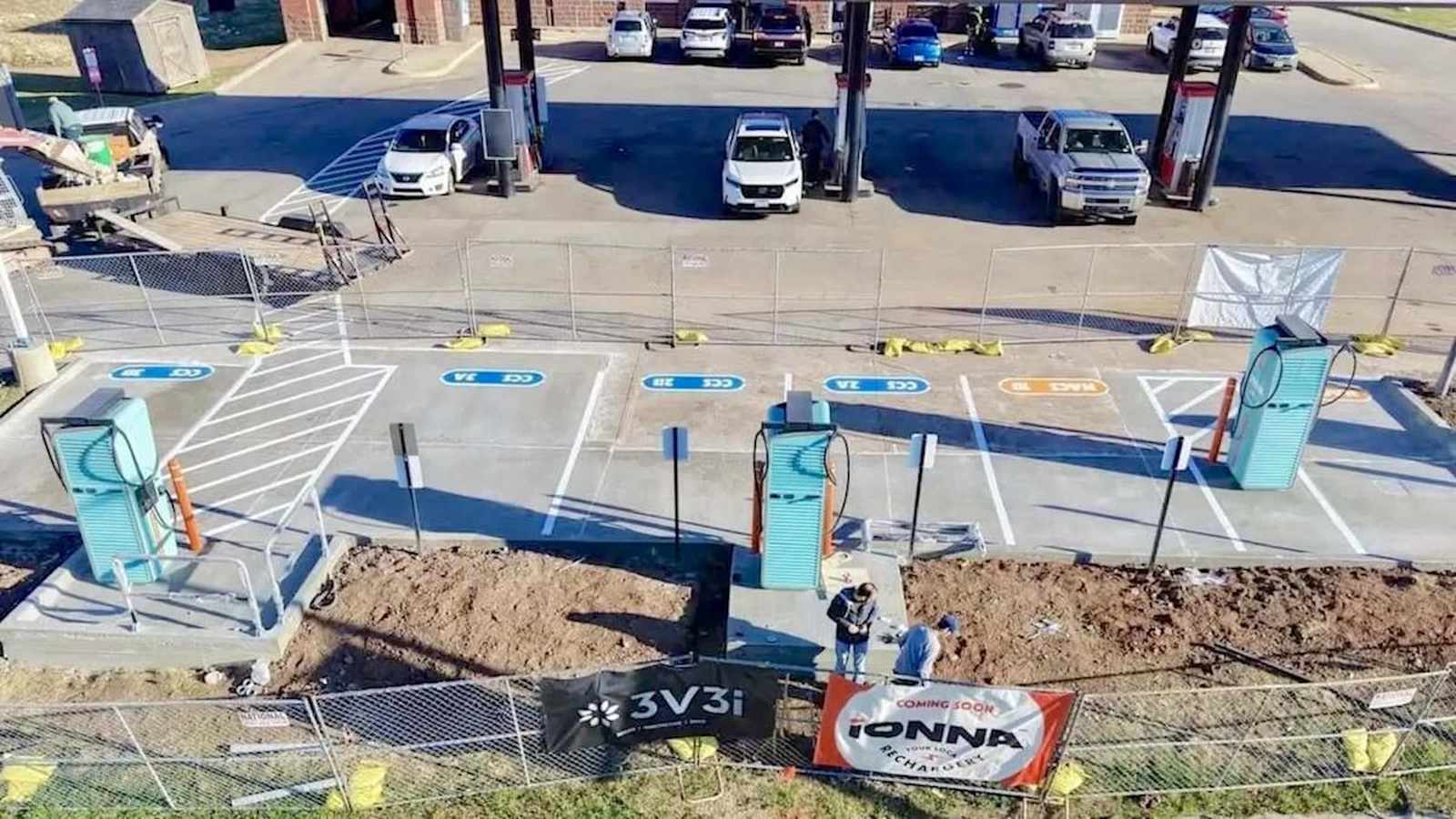
- Ionna has reduced the construction time for new public EV charging stations to just five business days.
- Volvo reported an 11% decline in total Q1 2026 sales, yet saw a 12% increase in fully electric vehicle sales.
- Transitioning to an EV can save drivers approximately $24,000 in fuel and maintenance costs over the vehicle’s lifespan.
The electric vehicle industry is reaching a critical inflection point in April 2026, as infrastructure development speed and consumer demand begin to recalibrate against a backdrop of global economic headwinds. A major breakthrough in installation efficiency has emerged, with charging infrastructure firm Ionna reporting that it successfully constructed a public EV charging station in just five business days—a feat that traditionally takes weeks or months.
Accelerated Infrastructure Deployment
The record-breaking installation, achieved in partnership with infrastructure developer 3V3i, utilizes a prefab manufacturing model that significantly reduces both construction timelines and project costs. This development is pivotal for addressing the persistent barrier of charging accessibility. With Ionna aiming for 30,000 operational charging bays by 2030, the ability to deploy capacity rapidly is expected to alleviate wait times at hubs and improve the practical viability of EVs for long-distance travel.
Market Resilience and Consumer Trends
Despite broader automotive market pressures, including pricing volatility and shifting regulatory environments, major automakers are seeing distinct growth in their electric portfolios. Volvo Cars reported that while its total global sales declined by 11% in the first quarter of 2026, its fully electric vehicle sales surged by 12% year-over-year. In specific markets like China, electrified vehicle deliveries jumped by 116%, signaling that consumer interest remains robust where competitive options are available.
Economic Stakes for New Buyers
For prospective owners, the economic case for transitioning to electric transport remains centered on long-term operational savings. According to data from the U.S. Department of the Treasury, EV drivers can save approximately $1,750 annually on fuel and maintenance, totaling roughly $24,000 over the lifespan of a vehicle. These savings are further amplified for homeowners who install Level 2 charging systems, allowing them to capitalize on residential electricity rates that are often lower than public charging costs.
The ability of manufacturers and infrastructure providers to align rapid deployment with consumer financial incentives will likely dictate the velocity of the global transition toward sustainable transport throughout the remainder of 2026.