
Quick Read
- Peacekeeping missions began in 1948 with limited mandates focused on ceasefires.
- The 1990s saw the rise of multidimensional missions addressing root causes of conflict.
- Modern peacekeeping faces challenges like trust deficits and geopolitical rivalries.
- Regional organizations like NATO and the African Union play growing roles in peacekeeping.
- Future success depends on adapting to evolving global dynamics and fostering collaboration.
Peacekeeping missions have become a cornerstone of international efforts to maintain peace and security in conflict-affected regions. Since their inception in 1948, these missions have evolved in both scope and complexity, adapting to the changing nature of conflicts and the global political landscape. This article explores the history, evolution, and challenges of peacekeeping missions, highlighting their significance and the path forward.
Origins and Early Peacekeeping Efforts
The first peacekeeping mission, established in 1948, was the United Nations Truce Supervision Organization (UNTSO), tasked with monitoring ceasefires in the Middle East. Early peacekeeping efforts were primarily focused on inter-state conflicts, with mandates limited to monitoring ceasefires and creating buffer zones. These operations were characterized by their impartiality and reliance on lightly armed personnel to maintain neutrality.
During the Cold War (1948-1989), peacekeeping missions were few in number, as geopolitical tensions between the United States and the Soviet Union often hindered consensus within the UN Security Council. Notable missions during this period included the UN Emergency Force in the Suez Crisis (1956) and the UN Peacekeeping Force in Cyprus (1964), both of which aimed to stabilize regions experiencing inter-state conflicts.
The Shift to Multidimensional Peacekeeping
The end of the Cold War marked a significant turning point for peacekeeping. The rise of intra-state conflicts, often fueled by ethnic tensions and civil wars, necessitated a more comprehensive approach. In the 1990s, the UN began deploying multidimensional peacekeeping operations, which included not only military components but also civilian mandates to foster the rule of law, human rights, and democratic governance.
Examples of such missions include the UN Mission in Sierra Leone (UNAMSIL) and the UN Transitional Administration in East Timor (UNTAET). These operations sought to address the root causes of conflict by rebuilding institutions, supporting elections, and facilitating national reconciliation. However, the complexity of these mandates often led to challenges in implementation and coordination among various stakeholders.
Challenges in Contemporary Peacekeeping
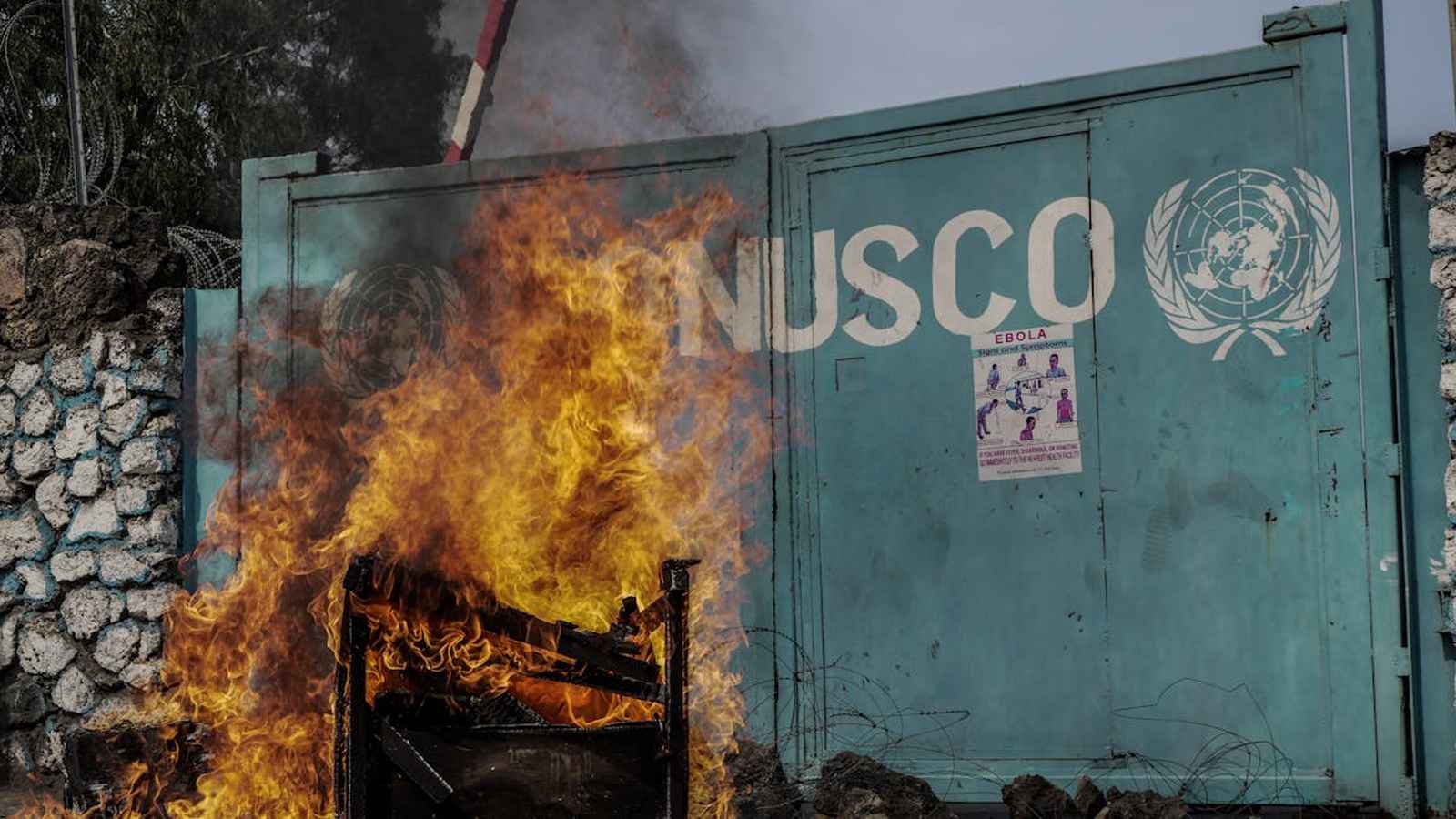
Despite their expanded scope, peacekeeping missions face significant challenges. One major issue is the “trust deficit” between host nations and peacekeeping forces. For instance, the UN Multidimensional Integrated Stabilization Mission in Mali (MINUSMA) faced criticism for its inability to curb Islamist insurgencies, leading to its withdrawal at the request of the Malian government. Similarly, the UN Organization Stabilization Mission in the Democratic Republic of Congo (MONUSCO) has struggled to bring lasting stability, despite notable achievements in civilian protection and electoral support.
Geopolitical rivalries further complicate peacekeeping efforts. In Mali, accusations of foreign influence and the presence of private military actors like Russia’s Wagner Group have undermined the legitimacy of UN missions. Additionally, the increasing involvement of private security companies and regional coalitions has created parallel structures that challenge the authority and effectiveness of traditional peacekeeping frameworks.
The Role of Regional and International Actors
Regional organizations and coalitions have played an increasingly prominent role in peacekeeping. NATO’s Kosovo Force (KFOR), established in 1999, is a prime example of a regional peace-support operation. Derived from UN Security Council Resolution 1244, KFOR has contributed to maintaining stability in Kosovo through tasks such as border security, public safety, and support for humanitarian efforts.
In Africa, the African Union (AU) has taken the lead in peacekeeping initiatives, often in collaboration with the UN. The AU Mission in Somalia (AMISOM), for instance, has been instrumental in combating insurgent groups and supporting the Somali government. Such regional efforts highlight the importance of tailored approaches that leverage local knowledge and resources.
Future Directions for Peacekeeping
The future of peacekeeping lies in its ability to adapt to evolving global dynamics. Experts advocate for a more inclusive and context-specific approach, emphasizing the need for active engagement with host states and local communities. The UN’s “Pact for the Future” underscores the importance of aligning peacekeeping mandates with the actual needs of conflict-affected regions.
Technological advancements also offer opportunities to enhance peacekeeping effectiveness. From surveillance drones to data analytics, modern tools can improve situational awareness and decision-making. However, these innovations must be integrated thoughtfully to respect the sovereignty and privacy of host nations.
Ultimately, the success of peacekeeping missions depends on the collective commitment of the international community to uphold the principles of impartiality, consent, and non-use of force except in self-defense. By addressing existing challenges and fostering greater collaboration, peacekeeping can continue to serve as a vital instrument for global peace and security.
Peacekeeping missions have come a long way since their inception, evolving to meet the complexities of modern conflicts. While challenges remain, their role in promoting stability and rebuilding societies underscores their enduring relevance in the quest for global peace.