
Quick Read
- Dangerous heat warnings issued for Arizona, California, and Oregon.
- Temperatures to reach up to 116°F in some areas, posing health risks.
- Cooling shelters are open to aid vulnerable populations.
- Officials urge hydration, limiting outdoor activities, and recognizing heat illness symptoms.
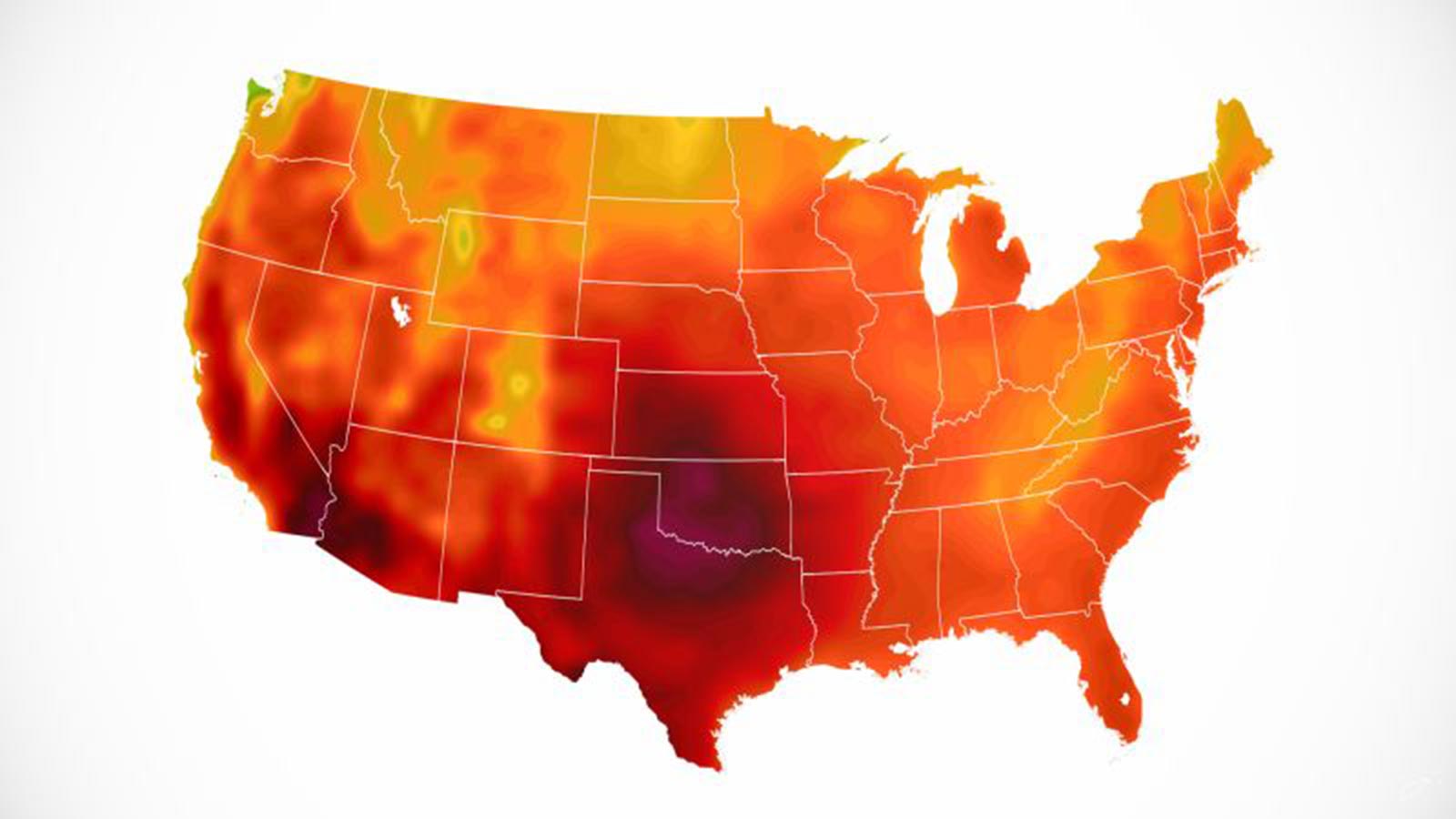
As extreme heat waves continue to grip the western United States, officials have issued urgent warnings for residents and visitors to take precautions. The National Weather Service (NWS) has highlighted regions in Arizona, California, and Oregon as areas facing dangerously high temperatures, posing serious risks to public health and safety.
Record-Breaking Heat in Arizona and California
On August 21, the National Weather Service in Phoenix issued an Extreme Heat Warning for parts of southwest Arizona and southeast California. Temperatures in these areas are expected to reach between 107°F and 116°F, a major heat risk even for regions accustomed to high summer temperatures. The warning is in effect until 8 PM MST on August 22.
According to KYMA, heat-related illnesses such as heat exhaustion and heat stroke are a significant concern during these conditions. Residents are advised to limit outdoor activities, wear lightweight clothing, and stay hydrated. Public cooling shelters have been set up in several counties to provide relief for those unable to escape the heat in their homes.
The Occupational Safety and Health Administration (OSHA) has also issued guidelines for outdoor workers, recommending frequent breaks in shaded or air-conditioned environments and vigilance for signs of heat-related symptoms. Emergency responders are urging anyone experiencing severe heat stroke symptoms to seek immediate medical attention by calling 911.
Oregon Braces for Prolonged Heat Wave
Meanwhile, in southwest Oregon, the National Weather Service office in Medford has issued a similar warning effective from Friday afternoon through Monday evening. Highs in the valleys of Josephine and Jackson counties are predicted to range from 100°F to 107°F, with overnight lows offering little relief at 60°F to 70°F.
The city of Ashland has activated its extreme weather shelter program, with cooling centers available at the OHRA Center and the Ashland Public Library. According to Ashland News, these shelters will operate from August 21 to August 24, providing a safe and cool environment for residents during peak heat hours.
City officials are also emphasizing the importance of community outreach during this time, urging neighbors to check on vulnerable populations such as the elderly and those without access to air conditioning. The prolonged heat wave is a stark reminder of the increasing frequency and intensity of extreme weather events linked to climate change.
Health Risks and Safety Measures
Heat-related illnesses can escalate quickly, turning into life-threatening conditions if not addressed promptly. Symptoms of heat exhaustion include heavy sweating, weakness, dizziness, and nausea. Heat stroke, a medical emergency, can result in confusion, fainting, or even death if untreated.
Public health experts recommend staying indoors during the hottest parts of the day, using fans or air conditioning, and drinking water frequently to stay hydrated. For those without access to cooling systems, local governments have set up temporary cooling shelters. Residents are encouraged to stay informed through local weather updates and emergency alerts.
In addition to personal precautions, officials are advising employers to prioritize worker safety, especially in industries requiring outdoor labor. OSHA guidelines stress the importance of acclimatization for workers new to high-heat environments and the need for employers to provide shaded rest areas.
Community and Government Response
The response to this extreme heat event highlights the importance of community and governmental support in mitigating the risks associated with rising temperatures. Local authorities are working to ensure that cooling shelters are well-stocked and accessible, while public messaging campaigns aim to educate residents on heat safety.
Climate experts have pointed out that the increasing frequency of such events underscores the urgency of addressing climate change. Efforts to build more resilient infrastructure and expand access to cooling resources are vital steps in adapting to a warming world.
As the western United States faces these dangerous heat conditions, solidarity and preparedness are crucial. By taking proactive measures, communities can reduce the impact of extreme heat and safeguard public health.
Extreme heat events like these are a stark reminder of the challenges posed by climate change. Public awareness, community support, and effective policies will play a pivotal role in navigating these risks in the years to come.