
Quick Read
- George Russell won the Australian Grand Prix as Mercedes secured a dominant one-two finish.
- Drivers expressed concerns that the 2026 regulations make racing feel ‘artificial’ due to complex energy management requirements.
- The FIA and F1 are facing pressure to evaluate the impact of new power-unit regulations following vocal criticism from world champions.
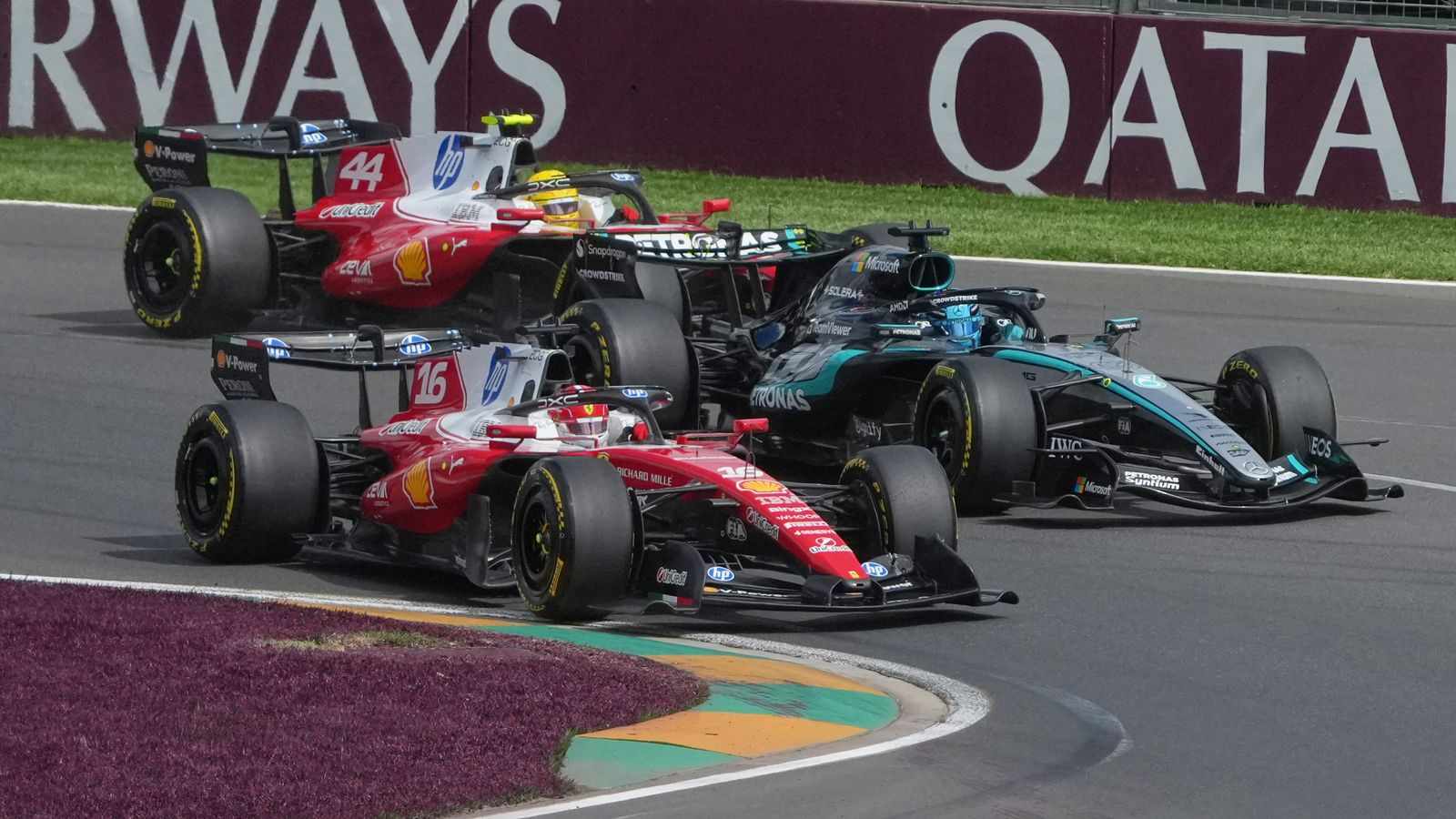
MELBOURNE (Azat TV) – Formula 1’s highly anticipated 2026 era began in dramatic fashion at the Australian Grand Prix, where a total of 120 overtakes defined a chaotic season-opener. While Mercedes’ George Russell claimed victory ahead of team-mate Kimi Antonelli, the paddock remains deeply divided over the technical regulations that governed the race.
The New Racing Reality in Melbourne
The 2026 regulations emphasize increased electrical output, a shift that fundamentally alters how drivers manage their energy throughout a lap. This change was on full display during a recurring battle between Russell and Ferrari’s Charles Leclerc, who swapped the lead seven times in just nine laps. While the spectacle provided high-intensity entertainment for fans, several drivers expressed concerns about the underlying mechanics of the new racing style.
Driver Criticism of ‘Artificial’ Dynamics
Reigning world champion Max Verstappen, who finished sixth after a qualifying crash, has been a vocal critic of the new rules, characterizing them as akin to “Formula E on steroids.” The primary point of contention involves the “superclipping” or “lift and coast” maneuvers required to manage battery regeneration, which can result in unpredictable performance swings. Lando Norris, who previously defended the direction of the sport, joined the chorus of dissent, describing the racing as “very artificial,” noting that drivers are often at the mercy of power unit decisions rather than pure skill.
Mercedes Dominance and Future Outlook
Despite the criticism, Mercedes team principal Toto Wolff defended the current state of the sport, suggesting that the excitement witnessed on track should be given time to evolve before any regulatory changes are considered. Ferrari team principal Frederic Vasseur echoed the sentiment, praising the opening stages of the race as a positive start for the sport’s showmanship, while acknowledging the need for long-term monitoring.
The split between drivers and team principals highlights a growing tension between the desire for technical innovation and the preservation of traditional racing purity, suggesting that the remainder of the 2026 season will be defined by whether these regulatory adjustments can balance competitive integrity with the high-drama spectacles demanded by modern broadcasting.