
Quick Read
- The Fable reboot by Playground Games is set to launch in Fall 2026.
- It will be released simultaneously on Xbox Series X/S, PC, and PlayStation 5, marking a first for the franchise.
- The game features a nuanced morality system where NPC reactions are subjective, not based on objective good/evil.
- Albion will be a dense open world with over 1,000 handcrafted, fully voiced NPCs.
- The classic character morphing and companion dog features have been removed for design and development reasons.
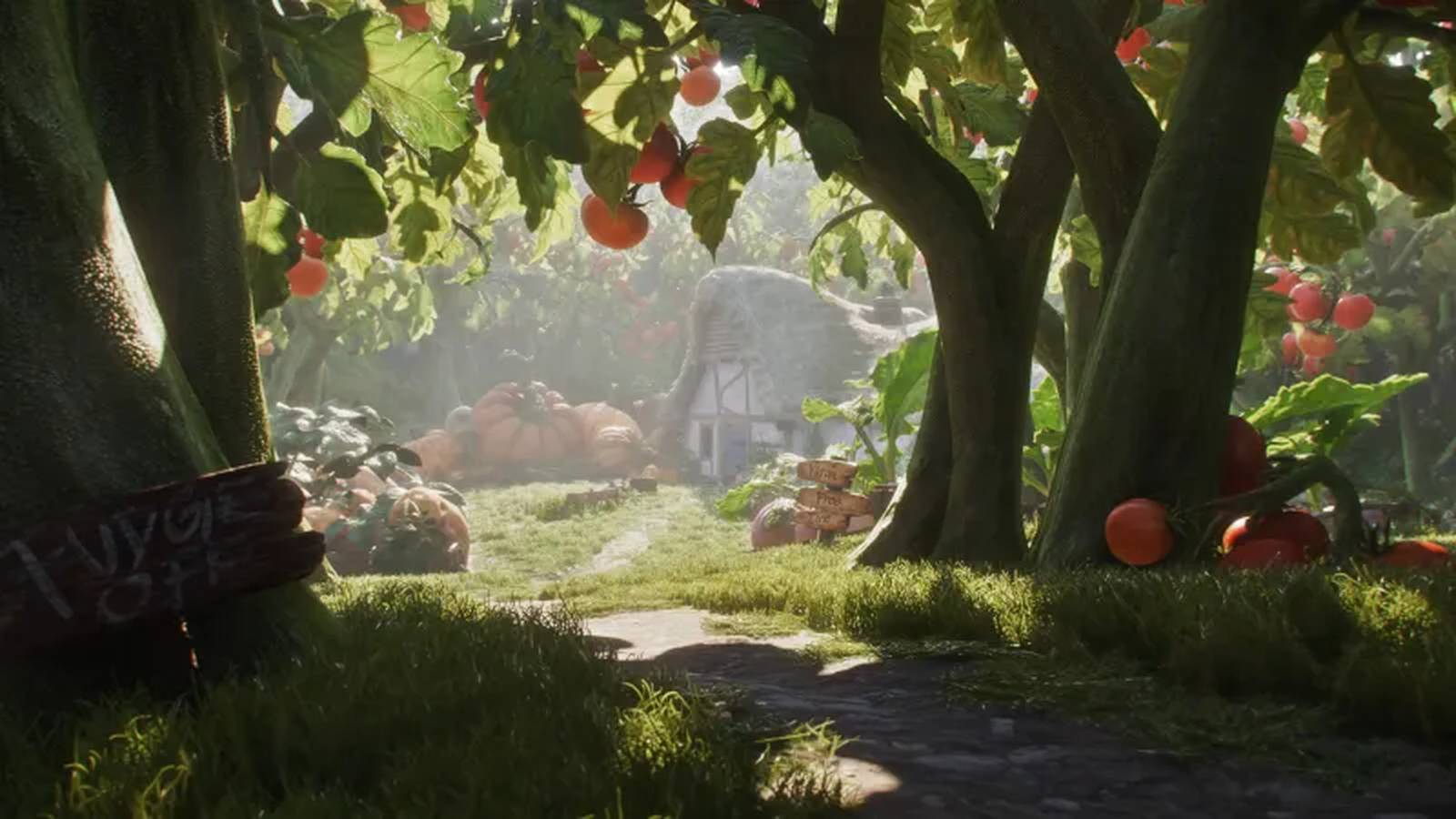
After years of eager anticipation and speculation, Playground Games and Xbox Game Studios have confirmed that the highly anticipated reboot of the beloved Fable series is slated for a Fall 2026 launch. The announcement, made during the Xbox Developer Direct showcase on January 22, 2026, also revealed a significant shift in strategy: the game will debut simultaneously across Xbox Series X/S, PC (including Steam), and, notably, PlayStation 5. This multiplatform approach marks a significant departure for the traditionally Microsoft-exclusive franchise, aiming to bring the iconic British RPG to the widest possible audience from day one.
The reveal provided a robust gameplay showcase and an in-depth interview with Playground founder and general manager Ralph Fulton, offering fans a comprehensive look at the ambitious features and design philosophy underpinning this new entry. Fulton emphasized the long development journey, stating, “We’ve been working on this game for a really, really long time,” with initial planning beginning shortly after Forza Horizon 3‘s success in 2016-2017. The decision to tackle Fable stemmed from Playground Games’ desire to expand its development expertise beyond racing games, leveraging its experience in building expansive open worlds. The studio’s British heritage was a critical factor, aligning with Xbox’s belief that a British team was essential to capture the “quintessentially British” essence of Fable.
Reimagining Albion: Core Pillars and Modern Morality
Playground Games approached the reboot by first dissecting the “essence” of Fable. Ralph Fulton highlighted three core pillars: freedom, fairytale, and Britishness. Freedom, he explained, encompasses the player’s ability to choose their path, make decisions, and live with the consequences, allowing them to “be the hero you want to be.” This foundational concept is central to the game’s design. The second pillar, “fairytale, not fantasy,” was inspired by original Lionhead Studio documents. Fulton elaborated that unlike grand, high-stakes fantasy, Fable embraces the personal, intimate nature of fairytales, focusing on ordinary people touched by magic and incorporating a moral component, creating a distinct tonal and visual palette.
The third pillar, Britishness, extends beyond accents and medieval Albion’s aesthetic. It’s about a unique sensibility, a specific tone of voice, and a way of reacting to the world that is inherently British. These three elements form the “DNA of Fable,” according to Fulton, guiding every design choice to ensure authenticity to the series’ legacy. While the game is a reboot, not a direct sequel, it will share originating lore from the Fable universe, allowing Playground Games to tell a fresh story within the familiar world of Albion without being constrained by previous timelines or characters.
One of the most significant gameplay innovations is the revamped morality system. Moving beyond the stark, objective good-versus-evil choices of previous titles, the new Fable introduces a more nuanced, “shades of gray” approach. Players will build reputations based on their actions, but critically, these reputations are perceived subjectively by the game’s inhabitants. “There’s no objective good, there’s no objective evil,” Fulton explained, reflecting a modern understanding of diverse opinions. This system allows NPCs to react to the player based on their unique individual worldviews, creating dynamic and varied interactions. For example, a choice considered benevolent by one character might be viewed negatively by another, adding depth to player decisions.
A Denser World with Handcrafted Lives
Albion in the new Fable is described as a massive, yet incredibly dense open world. While physically smaller in terms of square miles compared to Playground’s Forza Horizon games, it compensates with unparalleled detail and interactivity. Fulton noted that Horizon worlds are designed for high-speed traversal, whereas Fable‘s world encourages slower, more immersive exploration. “You move slower, but you see much more, you experience much more,” he stated. A testament to this density is the fact that every building in the game can be entered, each with a fully rendered interior. Players can rob these buildings, buy them, or even live in them with their in-game families.
A standout feature is the population of Albion: over 1,000 unique, handcrafted NPCs. These aren’t procedurally generated; each character has a distinct name, appearance, personality traits, moral worldview, and a simulated daily routine, including where they work and live, and their family units. Players can engage in fully voiced conversations with every single NPC, and even pursue relationships, including marriage and having children. These NPCs also serve as a “Greek chorus,” dynamically reacting to the player’s choices and reputation with the classic Fable “catcalling” in the streets, providing immediate feedback on their actions.
Evolutionary Choices: Missing Features and Engine Adaptation
Fans of the original series will notice the absence of two iconic features: the character morphing system (where good or evil actions physically altered the hero’s appearance) and the beloved companion dog. Fulton addressed these decisions directly. The removal of character morphing is tied to the new, subjective morality system. Since reputations are location-specific and based on individual perception rather than an objective good/evil scale, a fixed physical transformation wouldn’t align with the game’s design. The ability to enter a new town without a pre-existing reputation, and thus forge a new identity, was deemed more important than the legacy feature.
The decision to exclude the companion dog was more pragmatic, rooted in “development reasons.” Fulton acknowledged the feature’s popularity and the team’s internal division over its removal, humorously noting that “there are a substantial number of people on the team who have yet to forgive me for that decision.” Despite these changes, the developers express deep reverence for the original series, with many team members having joined specifically because they are fans of Fable.
Developing Fable also required significant adaptation of the ForzaTech engine, which was originally built for racing games. While the engine excelled at creating expansive, beautiful open worlds and world-class streaming technology, it lacked capabilities for quest structures, cinematics, and character-led gameplay. Playground Games invested “an enormous amount” in modifying the engine to meet these new demands, while still preserving the unique visual quality and lighting associated with ForzaTech.
The multiplatform launch, coupled with a nuanced approach to morality and a richly detailed world, signals Playground Games’ ambition to not only revive the Fable franchise but also to redefine its place in the modern RPG landscape, balancing nostalgic charm with contemporary game design principles and broader market accessibility.