
Quick Read
- Fareed Zakaria is shifting his analytical focus toward pragmatic evaluation of Republican governance initiatives like DOGE.
- The CNN host is actively challenging the efficacy of current U.S. Iran policy, warning against the risks of a premature military drawdown.
- Zakaria’s critique of Democratic campaign failures is helping to frame the current narrative on why the party lost electoral momentum.
NEW YORK (Azat TV) – CNN host and political commentator Fareed Zakaria is signaling a notable pivot in his analysis of American governance, moving away from traditional partisan friction toward a more pragmatic evaluation of Republican-led initiatives. This shift comes as Zakaria has begun to offer measured praise for specific structural reforms, such as the Department of Government Efficiency (DOGE), while maintaining his role as a leading voice on the deteriorating diplomatic situation between Washington and Tehran.
The Evolving Critique of Democratic Strategy
Zakaria’s recent commentary suggests a deepening frustration with the strategic failures of the Democratic Party, which he posits contributed significantly to their recent electoral losses. By analyzing the structural errors of the Harris campaign, Zakaria has framed a narrative that shifts focus from personality-driven politics to the substantive policy disconnects that alienated key voting blocs. This departure from his previous, more conventional criticism marks a broader trend in his reporting as he seeks to identify viable paths for governance in a polarized climate.
Analyzing the Risks of Trump’s Iran Policy
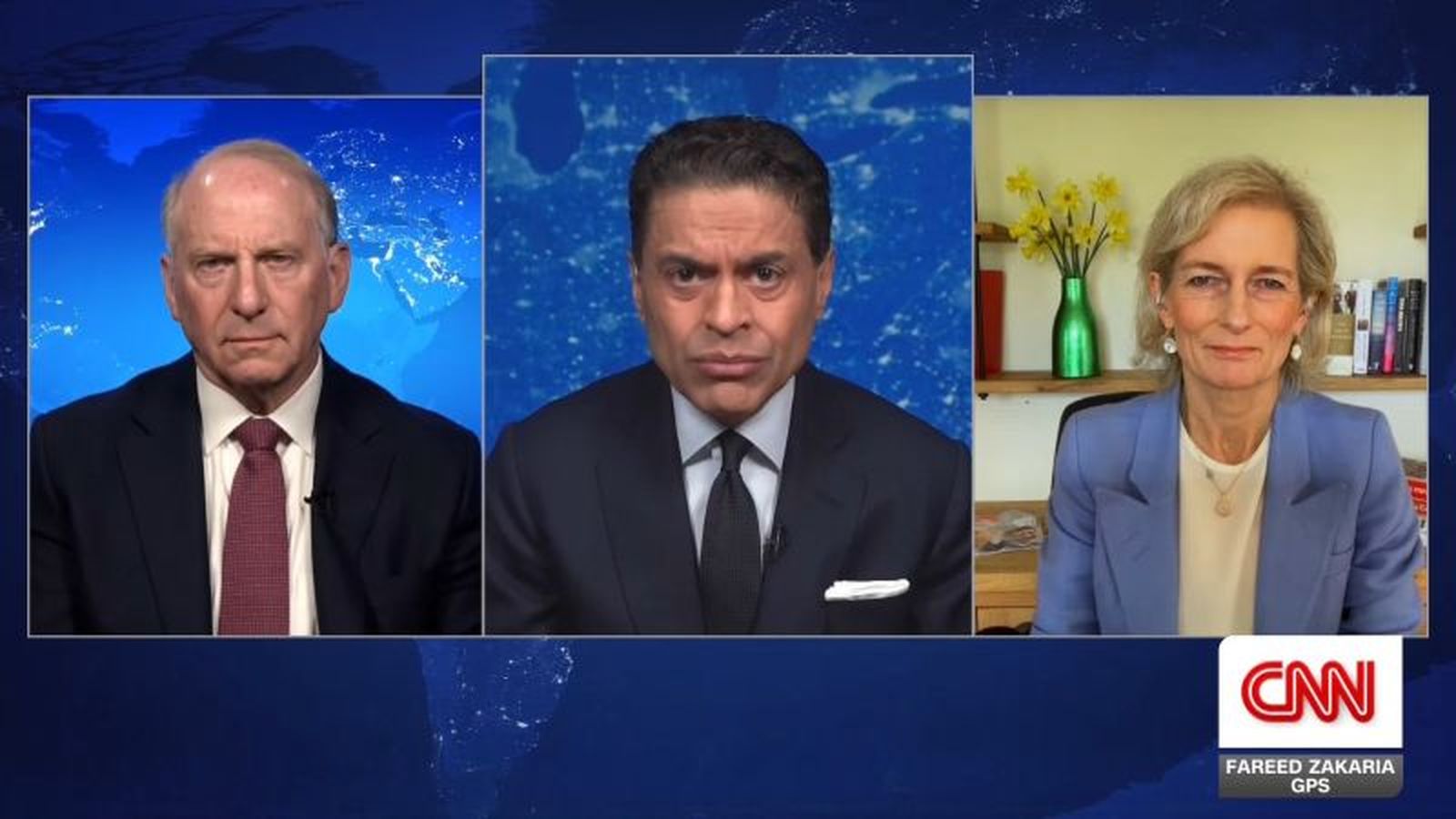
On the international front, Zakaria’s program, GPS, has become a critical barometer for the escalating conflict with Iran. Following President Donald Trump’s recent ultimatum demanding that Tehran open the Strait of Hormuz by Monday, Zakaria has scrutinized the administration’s aggressive posture. Alongside experts like Richard Haass, president emeritus of the Council on Foreign Relations, Zakaria has explored the inherent dangers of a policy that prioritizes military leverage over sustained diplomatic engagement. The discussion highlights a growing concern: if the administration succeeds in winding down the war without a long-term strategy to address the Islamic Republic’s presence, the region may face a fragile and dangerous vacuum.
DOGE and the Future of Republican Governance
Perhaps most striking is Zakaria’s tempered optimism regarding the potential for initiatives like DOGE to deliver on long-standing Republican promises of fiscal accountability. By engaging with these proposals on their merits rather than reflexively dismissing them, Zakaria is influencing a new segment of the centrist audience. This pragmatic approach suggests that he views the current political landscape not as a binary choice, but as a period where effective administrative reform could redefine the relationship between the state and the public.
Zakaria’s tactical pivot reflects a broader recognition that the old frameworks of political discourse are no longer sufficient to address the compounding crises of 2026, suggesting that his future analysis will likely prioritize institutional performance and geopolitical realism over traditional partisan loyalty.