
Quick Read
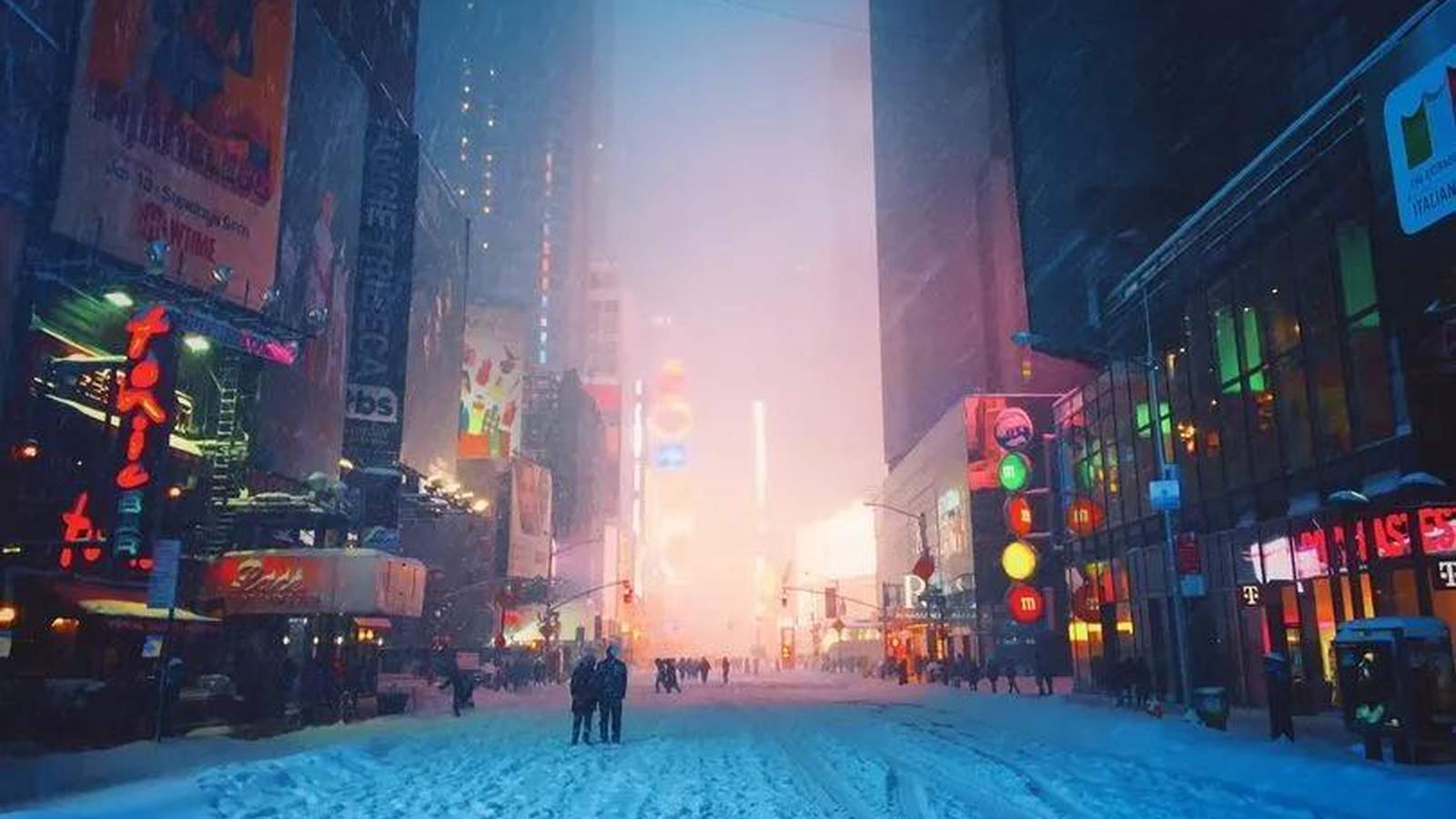
- Farmers’ Almanac predicts a harsh, snowy winter for New York, with dramatic swings in weather.
- NOAA’s forecast suggests colder-than-average temperatures due to La Niña, especially for the northern tier and Midwest.
- Old Farmer’s Almanac expects a milder winter overall, but warns some regions could face sharp cold snaps.
- Forecast methods differ widely, from secret formulas to climate models, fueling public uncertainty.
- Experts advise New Yorkers to prepare for unpredictability and follow multiple sources.
Winter Forecasts Divide Experts: Three Competing Visions
As the chill of autumn deepens, New Yorkers find themselves caught between dueling forecasts for the coming winter. The city’s annual ritual—preparing for snow, icy winds, and unpredictable storms—has become more complicated than ever, thanks to three major players: the Farmers’ Almanac, Old Farmer’s Almanac, and the National Oceanic and Atmospheric Administration (NOAA).
Each organization has released its winter outlook, but their predictions are anything but unanimous. In fact, they’re almost contradictory. For residents, this raises a pressing question: whose forecast should they trust?
The Farmers’ Almanac: A Call for Shovels and Heavy Coats
Founded in 1818, the Farmers’ Almanac has built its reputation on blending tradition with a touch of mystery. This year, it warns New Yorkers to brace themselves for a harsh season. Its editors have issued a simple yet ominous message: “Get ready to chill, snow, repeat.” According to their forecast, the northern plains through New England—including New York—should expect dramatic swings and widespread winter weather. Temperatures will plummet, snow will fall, and the rhythm of cold fronts sweeping through the city could feel relentless.
The Almanac’s predictions, as always, are based on a proprietary formula. While the details are closely guarded, it’s widely understood that their approach mixes astronomical calculations, historical weather patterns, and secret indicators. The result: a forecast that promises more than just cold, but volatility—periods of intense snow followed by brief thaws, then another round of freezing air.
NOAA: Science, Models, and the La Niña Factor
On the other side of the spectrum sits NOAA, the government agency renowned for its scientific rigor and reliance on advanced climate models. NOAA’s winter outlook hinges on atmospheric trends, ocean currents, and especially the recurring phenomenon known as La Niña. This pattern, characterized by cooler-than-average sea surface temperatures in the Pacific, often brings colder, wetter winters to the northern United States.
For New York, NOAA’s models suggest a winter that could be “much more frosty than normal,” with below-average temperatures favored for the Upper Midwest and the northern tier. The agency’s experts note, “This set of conditions slightly elevates the potential for colder temperatures in the central and eastern U.S., so it also supports favored below-normal temperatures in the Upper Midwest.”
While NOAA’s approach is rooted in data and global climate dynamics, it isn’t immune to uncertainty. Long-range forecasts are notoriously tricky—especially in a year when atmospheric patterns seem to be in flux.
Old Farmer’s Almanac: A Softer Touch, But Not for All
Established in 1792, the Old Farmer’s Almanac is the oldest continuously published periodical in North America. Its weather predictions, while grounded in tradition, have a different tone this year. Editor Carol Connare reassures readers: “Most areas will experience near-normal to slightly milder temperatures.” For much of the country, the Almanac expects extended dry spells and moderate cold, a relative reprieve from the biting winters of years past.
But there’s a catch. The Old Farmer’s Almanac warns that some regions—including the Appalachians, Southeast, and Florida, as well as the Ohio Valley—should “brace for a sharper chill.” Connare’s advice: “Don’t lose track of your snow shovels and umbrellas.” It’s a nuanced message: while New York may escape the worst, sudden cold snaps remain a possibility.
Why Such Dramatic Differences?
At the heart of these conflicting forecasts lies a deeper question about methodology and philosophy. The Farmers’ Almanac leans on centuries-old techniques and proprietary formulas, blending history with intuition. NOAA, meanwhile, puts its faith in satellites, supercomputers, and statistical models that crunch terabytes of data. The Old Farmer’s Almanac sits somewhere in between, mixing tradition with incremental adjustments for climate change.
These differences aren’t just academic—they shape how millions of Americans prepare for winter. A dire forecast can drive up sales of snow shovels and salt, while a mild outlook might lull residents into complacency. For businesses, municipalities, and everyday people, the stakes are real.
New Yorkers: Caught in the Middle
So, what does all this mean for New Yorkers? If you’re hoping for a clear answer, you may be disappointed. The city’s winter could be marked by wild swings—periods of deep cold punctuated by unexpected thaws, flurries followed by rain, and the ever-present uncertainty that comes with living in a metropolis shaped by Atlantic winds.
The best advice, perhaps, is to prepare for anything. Whether you trust the age-old wisdom of the Almanacs or the science-driven models of NOAA, the reality is that winter in New York rarely follows a script. The only guarantee is unpredictability.
How to Read Between the Lines
For many, the dueling forecasts are more than just numbers—they’re reminders of how complicated weather prediction has become in an era of climate change and shifting global patterns. Meteorologists warn that no single forecast should be taken as gospel. Instead, layering different sources and staying alert to changing conditions is the smart approach.
As Carol Connare of the Old Farmer’s Almanac puts it, “Don’t lose track of your snow shovels.” It’s advice that holds true regardless of which forecast you follow. With the possibility of dramatic swings and widespread winter weather, flexibility and preparedness remain key.
For now, New Yorkers can only wait—and watch the skies.
In a season defined by uncertainty, the collision between tradition and technology in weather forecasting is more pronounced than ever. Residents are left to balance caution with hope, trusting that preparation will serve them well—no matter which prediction ultimately proves right.