
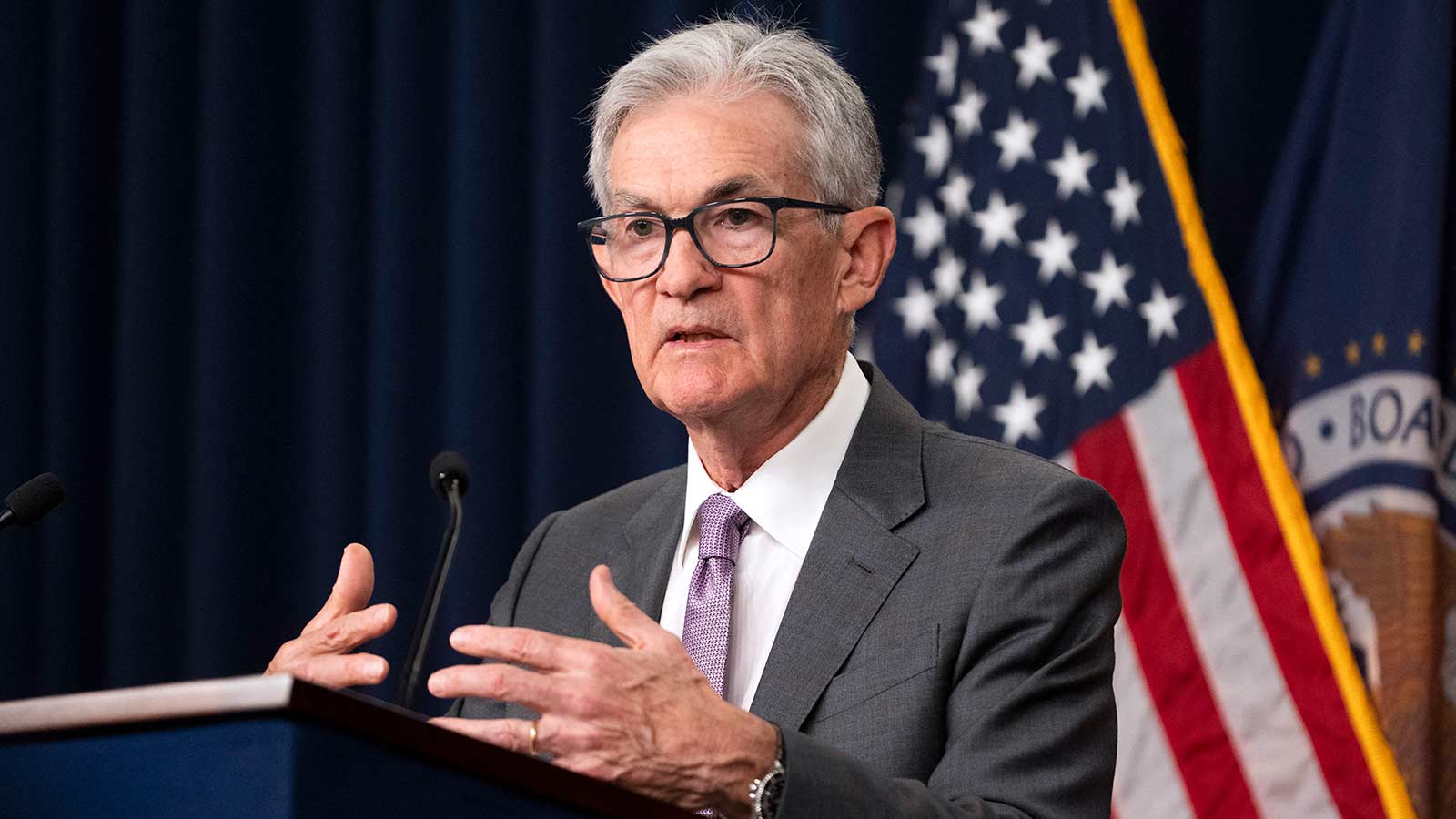
- The US Federal Reserve paused interest rate changes, keeping them at 4.25–4.50%.
- Policymakers unanimously cited risks from recent tariff policies as a concern.
- US inflation trends toward the Fed’s 2% target, while unemployment remains low.
- Economic activity remains solid despite tariff-related disruptions in trade.
- The Fed aims to balance inflation and unemployment in its monetary policy decisions.
Fed Maintains Interest Rates Amid Economic Uncertainty
The US Federal Reserve announced on Wednesday that it would maintain its key lending rate at the current range of 4.25% to 4.50%. This decision reflects the central bank’s cautious approach as it monitors the impact of recent economic developments, including trade tariffs introduced by the US administration.
The decision was made unanimously by policymakers, who highlighted concerns over potential risks to inflation and unemployment goals. The Fed’s dual mandate focuses on maintaining price stability and achieving maximum employment, which are influenced by its monetary policy actions such as rate hikes, cuts, or pauses.
Economic Activity Remains Resilient Despite Tariff Shocks
In its statement, the Federal Reserve noted that swings in net exports had not significantly disrupted overall economic activity. This resilience is attributed to a surge in imports earlier this year, as businesses anticipated the imposition of tariffs by the US government. These tariffs, which include steep levies on Chinese goods and lower baseline tariffs on imports from other countries, have caused turbulence in financial markets and raised concerns about their long-term economic impact.
Despite these challenges, the US economy has shown signs of stability. Data from recent weeks indicate that inflation is trending toward the Fed’s long-term target of 2%, while the unemployment rate remains near historic lows. However, the first quarter of the year saw signs of economic contraction, underscoring the mixed signals policymakers must navigate.
Trade Policies Add Complexity to Fed’s Decision-Making
The introduction of tariffs by the US administration, referred to as “liberation day” tariffs, has added a layer of complexity to the Federal Reserve’s decision-making process. These tariffs, which were initially applied to China and later expanded to other trading partners, have sparked weeks of volatility in financial markets. The White House temporarily paused some of these measures to allow time for renegotiating trade agreements, but the uncertainty surrounding these policies continues to weigh on economic forecasts.
According to the Fed, the effects of these trade policies on inflation and employment are still unfolding. While the immediate impact on economic activity appears limited, the long-term implications could pose challenges to achieving the central bank’s dual mandate.
Inflation and Employment Trends Offer Mixed Signals
Inflation data published in recent weeks suggest that price levels are moving closer to the Federal Reserve’s 2% target. This trend provides some reassurance to policymakers that inflationary pressures remain under control. At the same time, the unemployment rate has stayed near record lows, reflecting a robust labor market.
However, the contraction in economic activity during the first quarter raises questions about the sustainability of these positive trends. The Fed must balance these mixed signals as it evaluates its monetary policy options in the coming months.
Looking Ahead: Fed’s Path Forward
The Federal Reserve’s decision to hold rates steady underscores its cautious approach in the face of economic uncertainty. Policymakers will continue to monitor a range of indicators, including inflation, employment, and the impact of trade policies, as they assess the appropriate course of action.
As the US economy navigates the challenges posed by tariffs and other external factors, the Federal Reserve’s role in maintaining stability will remain critical. The central bank’s ability to adapt its policies to evolving economic conditions will be key to achieving its long-term goals.
Source: AFP