
Quick Read
- The Federal Reserve kept interest rates steady at 4.25%-4.50% during its July 2025 meeting.
- President Trump has been pressuring the Fed for drastic rate cuts, citing a 3% GDP growth in Q2.
- Internal divisions within the Fed emerged, with some governors advocating for rate cuts.
- Economic uncertainty fueled by tariffs has made the Fed adopt a cautious ‘wait-and-see’ approach.
- Markets remain volatile as investors anticipate potential rate cuts in September.
The Federal Reserve announced on July 30, 2025, that it would keep its benchmark interest rate unchanged, maintaining the current range of 4.25% to 4.50%. This decision marks the fifth consecutive meeting in which the central bank has refrained from making adjustments to its monetary policy, despite mounting pressure from President Donald Trump for significant rate cuts.
Trump’s Push for Rate Cuts
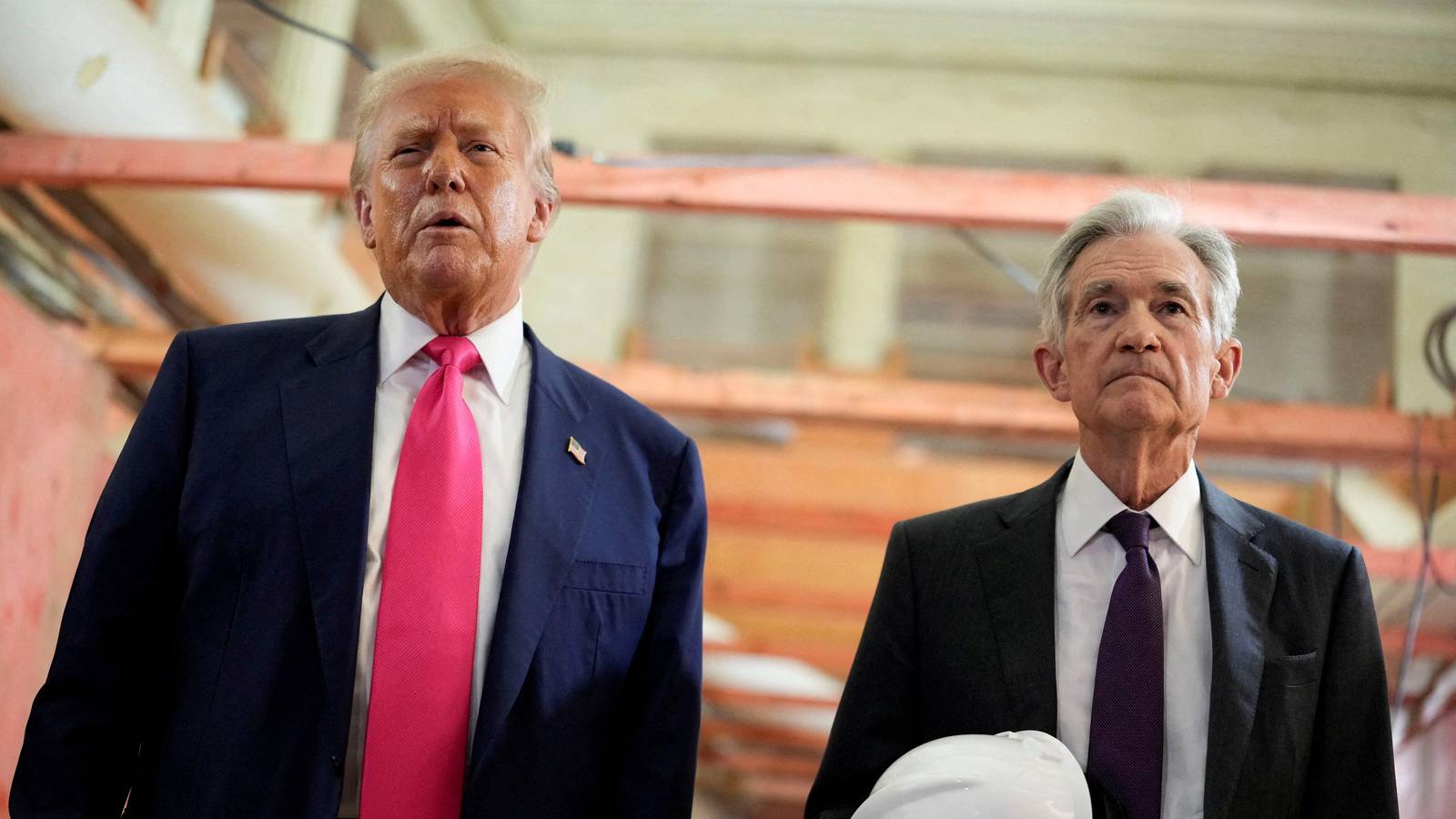
President Trump has been vocal in his demand for the Federal Reserve to reduce interest rates drastically, even suggesting a cut as deep as 1%. His rationale stems from the belief that lower borrowing costs would stimulate economic growth and bolster consumer spending. On the morning of July 30, following the release of a second-quarter GDP report showing a 3% growth rate, Trump took to Truth Social to reiterate his stance, stating, “MUST NOW LOWER THE RATE.” According to USA Today, Trump has frequently criticized Fed Chair Jerome Powell, whom he has nicknamed “Too Late,” for the central bank’s cautious approach.
However, economists and financial analysts argue that such a sharp reduction could lead to higher inflation, undermining the economic stability that the Fed seeks to maintain. Trump’s tariff policies, which have introduced volatility to trade and pricing, further complicate the economic outlook, making the Federal Reserve hesitant to act prematurely.
Economic Indicators and Tariff Impacts
The U.S. economy has shown mixed signals in recent months. On one hand, the GDP growth rate of 3% in the second quarter exceeded forecasts, largely driven by a decline in imports after businesses stocked up earlier in the year to avoid tariff-related costs. On the other hand, job growth has slowed, with forecasts for July expecting an addition of 109,000 jobs, down from the monthly average of 130,000 so far in 2025, as noted by Reuters.
Tariffs remain a contentious issue. President Trump has maintained an aggressive stance, announcing that higher tariffs on global imports would go into effect on August 1. Additionally, he has targeted India with a 25% tariff, citing the country’s purchases of Russian military equipment and energy as justification. While Trump insists these measures are necessary for “reciprocal trade,” critics argue that the tariffs risk reigniting inflation and eroding consumer purchasing power.
A Divided Federal Reserve
Despite the decision to hold rates steady, internal divisions within the Federal Reserve have come to light. Fed Governors Michelle Bowman and Christopher Waller have publicly advocated for a rate cut, arguing that it would support the labor market and preempt potential economic slowdowns. According to Yahoo Finance, if both dissent, it would mark the first instance of dual dissent by Fed governors in over 30 years. This internal debate reflects broader uncertainties about the path of monetary policy amid conflicting economic signals.
Chair Jerome Powell, speaking at a press conference following the announcement, emphasized a “wait-and-see” approach. He stated that the current economic conditions—marked by solid labor market performance, decent growth, and softening inflation—justify maintaining the existing policy stance. Powell also hinted that the September meeting could be pivotal, depending on how inflation trends evolve over the coming months.
Market Reactions and Future Outlook
Financial markets responded cautiously to the Fed’s announcement. Stock futures for the Dow Jones, S&P 500, and Nasdaq showed modest gains ahead of the decision but remained volatile as investors digested the implications of the central bank’s stance. Treasury yields also experienced slight movements, reflecting mixed sentiments about future rate cuts.
Looking ahead, analysts believe that the Federal Reserve is unlikely to implement any rate changes before the fourth quarter of 2025. As noted by CNN, Powell’s cautious tone and the Fed’s focus on inflation dynamics suggest that any adjustments will be data-driven and incremental. Meanwhile, Trump’s tariff deadlines and the potential for further trade disruptions continue to loom large over the economic landscape.
As the Federal Reserve navigates this complex economic environment, its decisions will remain under intense scrutiny from both policymakers and market participants, underscoring the delicate balance between economic growth and stability.