
Quick Read
- Federal Judge Joseph Laplante blocked President Trump’s executive order on birthright citizenship.
- The order sought to deny U.S. citizenship to children born to parents without permanent legal status.
- The ruling cited violations of the 14th Amendment and irreparable harm to affected children.
- Class action status was granted, protecting all impacted infants nationwide.
- The Trump administration has a limited window to appeal the decision.
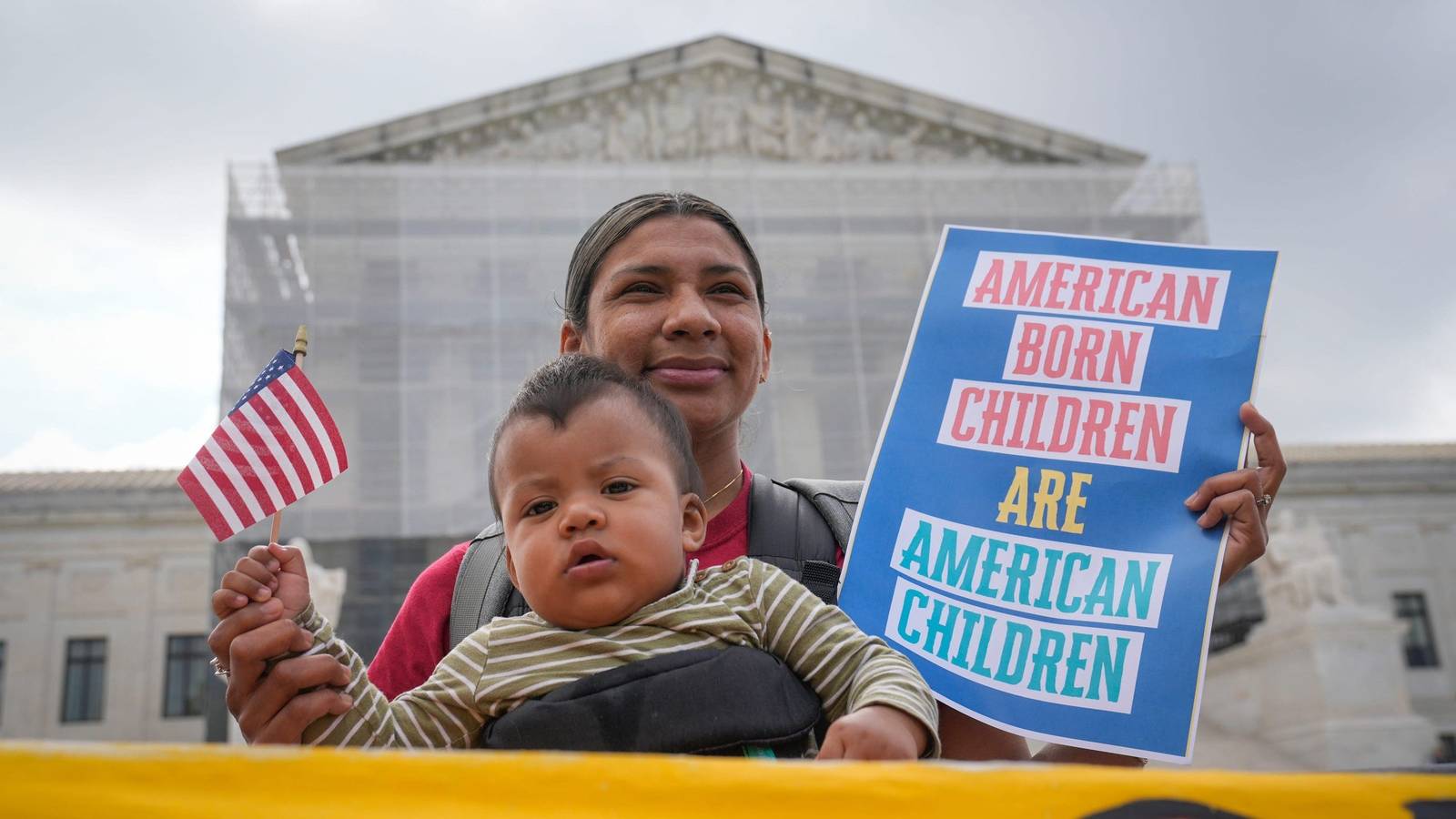
On July 10, 2025, U.S. District Judge Joseph Laplante issued a landmark decision to block President Donald Trump’s executive order that sought to limit birthright citizenship. The ruling, made in Concord, New Hampshire, comes as a significant development in an ongoing legal battle over the interpretation of the 14th Amendment of the U.S. Constitution. Judge Laplante’s injunction ensures that children born on U.S. soil to parents without permanent legal status retain their citizenship rights, at least for now.
The Context of the Controversy
President Trump’s executive order, signed on January 20, 2025, aimed to redefine the parameters of birthright citizenship in the United States. The order directed federal agencies to deny citizenship to U.S.-born children whose parents were either unlawfully present in the country or temporarily residing without permanent legal status. This marked a stark departure from the century-old precedent established by the 14th Amendment, which states, “All persons born or naturalized in the United States, and subject to the jurisdiction thereof, are citizens of the United States.”
Critics, including immigrant rights groups and constitutional scholars, argued that Trump’s order contradicted both the text and judicial interpretations of the 14th Amendment. The most notable precedent, the 1898 Supreme Court ruling in United States v. Wong Kim Ark, affirmed that birthright citizenship applies regardless of the immigration status of a child’s parents. According to USA Today, the executive order, if implemented, would have denied citizenship to over 150,000 newborns annually.
Judge Laplante’s Ruling
Judge Laplante, a George W. Bush appointee, ruled that the executive order not only violated the 14th Amendment but also posed “irreparable harm” by depriving individuals of U.S. citizenship. “Citizenship is the greatest privilege that exists in the world,” he declared during the hearing. The ruling was issued in response to a class action lawsuit filed by the American Civil Liberties Union (ACLU) and other advocacy groups, representing families and children who would be impacted by the order.
In his decision, Laplante certified a nationwide class of plaintiffs that includes all current and future children affected by the order. However, he excluded parents from the class, citing procedural concerns raised by the Department of Justice. According to CNN, Laplante emphasized that his decision to issue the injunction was “not a close call,” reflecting the urgency and gravity of the situation.
Supreme Court Implications
The ruling comes on the heels of a June 27 Supreme Court decision that curtailed the ability of lower court judges to issue nationwide injunctions. However, the Court’s decision left room for class action lawsuits to seek broad relief, which Laplante leveraged in this case. By certifying the class, Laplante effectively issued an injunction with nationwide scope, a move that could set a precedent for future challenges to Trump’s policies.
The executive order was originally set to take effect on July 27, 2025. With the injunction in place, the Trump administration now faces a narrow window to appeal the ruling. Legal analysts believe this case could eventually return to the Supreme Court, given its constitutional significance and the broader implications for immigration policy in the United States.
Public and Legal Reactions
Advocacy groups and legal experts hailed the ruling as a victory for constitutional protections and immigrant rights. Cody Wofsy, deputy director of the ACLU’s Immigrants’ Rights Project, stated, “This ruling is a huge victory and will help protect the citizenship of all children born in the United States, as the Constitution intended.”
On the other hand, the Department of Justice defended the executive order, arguing that the 14th Amendment’s citizenship clause has been misinterpreted for decades. According to CBS News, government attorneys claimed that the policy change was necessary to address issues of illegal immigration and economic stability.
The case has also drawn international attention, with human rights organizations warning of the potential consequences for stateless children if the policy were implemented. One Honduran asylum seeker, referred to as “Barbara” in court documents, testified about her fear of living in hiding and the risks of family separation. Her story, along with others, underscores the human stakes of this legal battle.
*As this complex legal saga unfolds, the future of birthright citizenship in the United States remains uncertain. Judge Laplante’s ruling marks a pivotal moment in this debate, but the final resolution may ultimately rest with the nation’s highest court.*