
Quick Read
- Flightradar tracked Santa’s sleigh across the globe on Christmas Eve 2025, delighting families and children.
- A viral moment emerged when Santa’s route appeared to intersect with a real Nippon Airways flight, sparking safety jokes online.
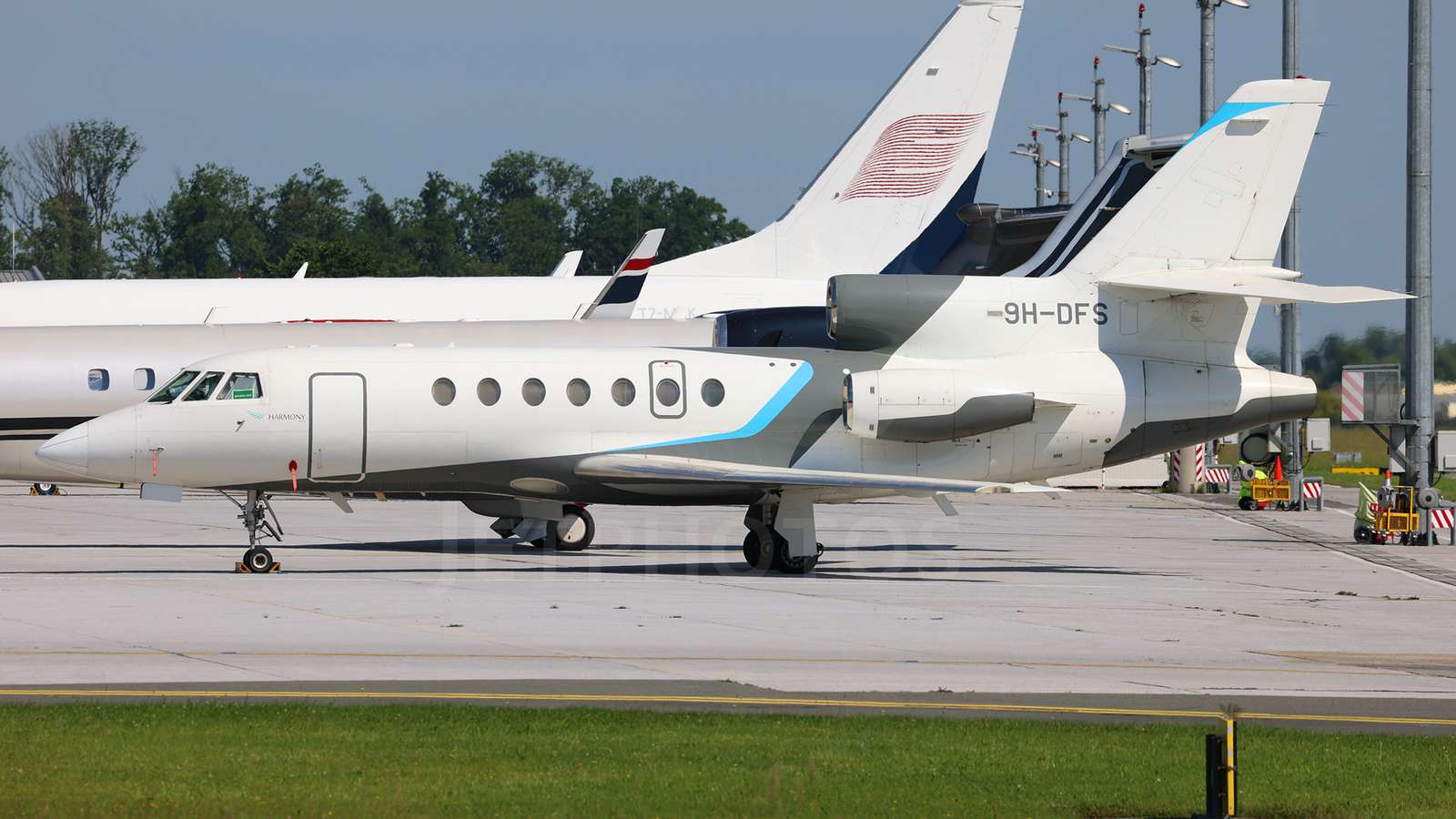
- Flightradar also documented a real business jet crash near Ankara, Turkey, showing its serious role in aviation news.
Tracking Santa’s Sleigh: The Digital Magic Behind Christmas Eve
Every December 24th, a remarkable intersection of technology, tradition, and imagination takes place above our heads. Millions of children (and not a few adults) around the world log onto Flightradar and NORAD trackers, hoping to catch a glimpse of Santa Claus and his reindeer as they dart from rooftop to rooftop, delivering gifts. But in 2025, the experience took on new life, blending real-time flight data with festive wonder—and sparking unexpected social media drama.
How Flightradar Works: Real Flights, Real Data, Real-Time
Flightradar is a global flight tracking service, renowned for its ability to display the location, altitude, and route of aircraft in real time. It works by aggregating data from ADS-B transponders, satellites, and ground stations, providing a bird’s-eye view of the world’s crowded skies. On most days, this is a tool for aviation enthusiasts, travelers, and journalists. On Christmas Eve, it becomes something more: a portal into the magic of Santa’s journey, as his sleigh is mapped alongside commercial jets and cargo planes.
Santa’s Route: From North Pole to New Zealand and Beyond
In 2025, as the sun rose over the Far East and Down Under, Santa’s virtual sleigh was already on the move. According to Flightradar and NORAD’s trackers, the journey began at the North Pole, swooped through Auckland, Wellington, and Christchurch in New Zealand, then crossed the Tasman Sea to Australia, hitting major cities like Melbourne, Sydney, and Brisbane. From there, Santa and his team—Dasher, Dancer, Prancer, Vixen, Comet, Cupid, Donner, Blitzen, and Rudolph—headed north to Japan, traversed the East China Sea to Taiwan, and zipped through Southeast Asia before making their way to Russia and Europe.
All of this was visible to users thanks to Flightradar’s interactive map, which, for one night, merged fantasy and reality in a way that delighted families. Parents could answer the age-old question, “Where is Santa right now?” with a simple glance at their phone.
Viral Moments and Safety Concerns: When Santa Meets Real Flights
This year’s tracking wasn’t all smooth sleigh-riding. Social media lit up when an eagle-eyed user noticed that Santa’s sleigh appeared to be on a collision course with ANA flight 217, a Nippon Airways Boeing 787-8 Dreamliner traveling from Tokyo to Munich. The viral post read, “SANTA DONT CRASH INTO FLIGHT ANA217 – @flightradar24 are you seeing this?” The moment captured the imagination—and anxiety—of thousands, with comments ranging from jokes about sleigh altitude to tongue-in-cheek warnings of a “holiday aviation disaster.”
Fortunately, Flightradar was quick to clarify. The real-world aircraft was cruising at 38,975 feet, over 20,000 feet below Santa’s virtual sleigh, which was depicted at a fantastical 60,000 feet. The mix-up illustrated both the fun and the challenges of blending real flight data with playful seasonal overlays. In the end, the only thing at risk was a few nerves and some viral laughter. As one user put it, “Not me getting schooled by the flight radar account.” (Tyla)
The Broader Impact: Why Flight Tracking Matters
While Santa’s journey is a lighthearted use of Flightradar, the platform has proven invaluable for real-world aviation safety, news, and transparency. Just a day before Christmas Eve, for instance, Flightradar documented a tragic incident: a Falcon 50 business jet carrying Libyan military leader Muhammed Ali Ahmed Al-Haddad and others crashed near Ankara, Turkey. The aircraft’s flight path, altitude changes, and emergency signals were all logged in granular detail, enabling authorities and the public to piece together what happened. (Flightradar24 Blog)
This dual role—tracking both the magical and the mundane—shows the power and responsibility of global flight data services. On one hand, they fuel holiday excitement and family traditions. On the other, they provide real-time information that can be crucial during emergencies and major incidents.
Privacy and the Personal Data Question
As flight tracking grows in popularity, so do concerns about privacy. Many tracking sites, including those used for Santa’s journey, rely on cookies and data collection to tailor ads and improve user experience. In the US, state privacy laws like the California Consumer Privacy Act and the Virginia Consumer Data Protection Act require platforms to offer opt-outs for data sale and sharing, giving users more control over their personal information. On Christmas Eve, as millions flock to tracking sites, these privacy tools remain as relevant as ever, ensuring that festive fun doesn’t come at the expense of digital rights. (13NewsNow)
Beyond the Holidays: The Enduring Appeal of Flight Tracking
For many, Flightradar is more than a seasonal curiosity. It’s a window into the rhythms of global mobility, the drama of aviation, and, sometimes, the unexpected artistry of clustered flight paths that form viral shapes or pictures. Whether you’re following Santa, checking on loved ones’ flights, or monitoring world events, the appeal is the same: connection, curiosity, and the thrill of watching the world move in real time.
This Christmas Eve, Flightradar reminded us that technology can bridge the gap between fantasy and reality, making the impossible feel just a little bit closer. And sometimes, all it takes is a sleigh, a jet, and a map to bring the world together—even if only for one magical night.
Analysis: The blending of real-time flight data with playful seasonal overlays is a testament to both the versatility and the cultural impact of platforms like Flightradar. While the holiday tracking is whimsical, the underlying technology serves serious, global purposes—from safety to transparency. The viral moments of 2025 show how digital traditions can spark both joy and meaningful conversations about privacy, aviation, and our shared fascination with the skies.