
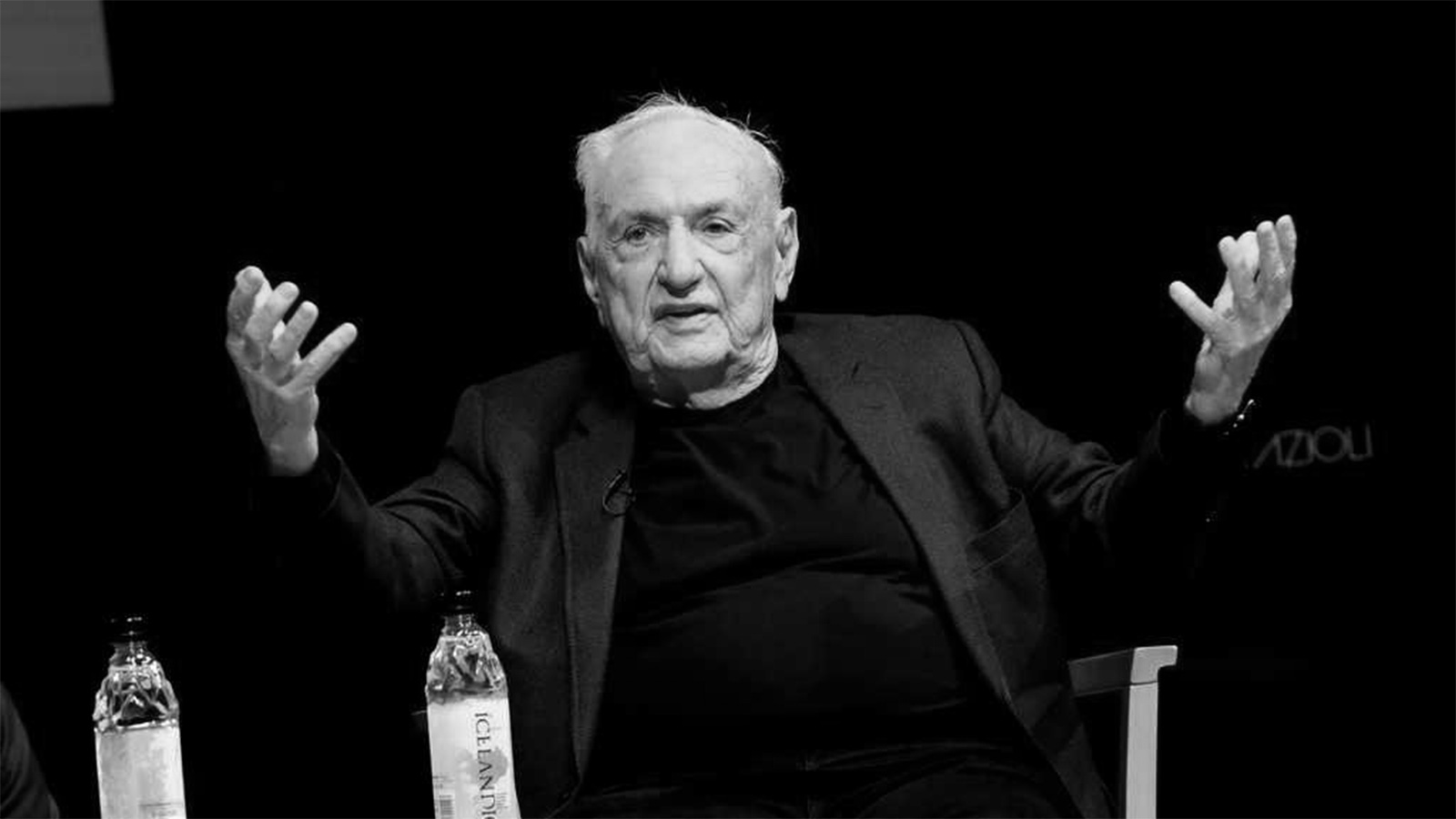
Quick Read
- Frank Gehry died in 2025 at age 96, leaving a legacy of innovative architecture.
- The Guggenheim Museum in Bilbao is considered Gehry’s most iconic work.
- Other notable buildings include the Dancing House in Prague and Walt Disney Concert Hall in Los Angeles.
- Gehry’s projects are known for their unconventional forms and use of materials like titanium and glass.
Frank Gehry: The Architect Who Bent the Rules
Frank Gehry’s name is synonymous with boldness. For nearly a century, his work challenged conventions and invited the world to see architecture not just as shelter, but as sculpture, spectacle, and provocation. Gehry, who passed away at 96, leaves behind a body of work that remains instantly recognizable—often before one even steps inside.
Shaping Skylines: Gehry’s Most Iconic Buildings
Gehry’s vision materialized in cities across the world, each project distinct yet united by an unmistakable fingerprint. The Guggenheim Museum in Bilbao, Spain, is perhaps his most celebrated achievement. Its swirling titanium forms catch the sunlight and the imagination, transforming Bilbao into a global art destination. As captured by BBC News, the museum’s curved exterior isn’t just visually striking—it marks a turning point in how cities leverage architecture for cultural and economic revival.
In Prague, the Dancing House—sometimes called “Fred and Ginger”—leans and twists in playful defiance of the city’s historic architecture. The glass tower appears in motion, a daring contrast to the surrounding centuries-old facades. Gehry’s ability to insert whimsy into urban landscapes is evident here, making the Dancing House a symbol of Prague’s modern spirit.
Meanwhile, the Hotel Marques de Riscal in Spain stands out for its bold use of color and form. Striking purple tones ripple across the building’s surface, giving the winery hotel a sense of movement and vibrancy that echoes the energy of its guests.
California Dreaming: Walt Disney Concert Hall
On the American West Coast, Gehry’s Walt Disney Concert Hall in Los Angeles glimmers in the golden hour. Its stainless steel sails seem to dance with the light, drawing music lovers and architecture enthusiasts alike. The hall holds its own beside LA’s imposing skyscrapers, proving that expressive design can thrive in the heart of a bustling metropolis. According to Los Angeles Times coverage, the building’s acoustics are as innovative as its exterior—making it both a visual and auditory landmark.
More Than Buildings: Sculptures and Foundations
Gehry’s creativity wasn’t limited to traditional structures. In Barcelona, his El Peix d’Or (Golden Fish) sculpture shimmers near the waterfront—a playful landmark and a testament to Gehry’s love for organic forms. The Louis Vuitton Foundation in Paris boasts an oversized canopy, blending glass and steel to create an environment that’s at once airy and monumental.
Der Neue Zollhof in Düsseldorf further demonstrates Gehry’s penchant for surprise. The buildings here twist and tilt, their facades gleaming in the sunlight. These are not mere offices; they are statements, each telling a story of creative risk-taking.
Vision Under Construction: Guggenheim Abu Dhabi
Even as Gehry approached his later years, his appetite for innovation remained undiminished. The Guggenheim Abu Dhabi, still under construction as of 2023, promises to continue his legacy in the Middle East. Its ambitious design hints at new directions for the region’s cultural landscape, with Gehry’s signature curves and bold materials front and center.
The Human Touch: Why Gehry’s Work Resonates
What sets Gehry apart is more than technical prowess—it’s the emotional resonance his buildings evoke. His unpredictable style, as noted by BBC News, invites curiosity and conversation. Visitors often feel a sense of wonder, as if stepping into a space where the ordinary rules have been suspended. Gehry’s architecture does not shy away from complexity or contradiction; instead, it celebrates them.
Gehry’s buildings are not universally adored. Critics have sometimes argued that his forms are too flamboyant or impractical. Yet, for many, the joy of Gehry’s work lies precisely in its refusal to conform. In a world where so much architecture can feel formulaic, Gehry dared to dream—and delivered environments that are as dynamic as the people who inhabit them.
The Enduring Influence of Gehry’s Vision
As cities evolve, Gehry’s legacy endures. His projects serve as case studies for how architecture can shape identity, drive tourism, and spark public debate. The Guggenheim Bilbao, for instance, is credited with revitalizing its city, drawing millions of visitors and inspiring a wave of “starchitecture” projects around the world.
Gehry’s willingness to embrace new materials—from titanium to glass—set new standards for both aesthetics and engineering. His work encouraged younger architects to experiment, to take risks, and to prioritize creativity over convention.
Celebrating a Life of Bold Creativity
Frank Gehry’s passing in 2025 marks the end of an era, but his influence will ripple outward for generations. His buildings invite us to look up, to ask questions, and to imagine what’s possible when rules are bent and boundaries redefined.
Gehry’s architectural legacy is not just about the buildings he left behind, but about the spirit of invention he championed. His designs challenged us to rethink the relationship between structure and meaning, proving that great architecture can transform cities—and the way we experience them.